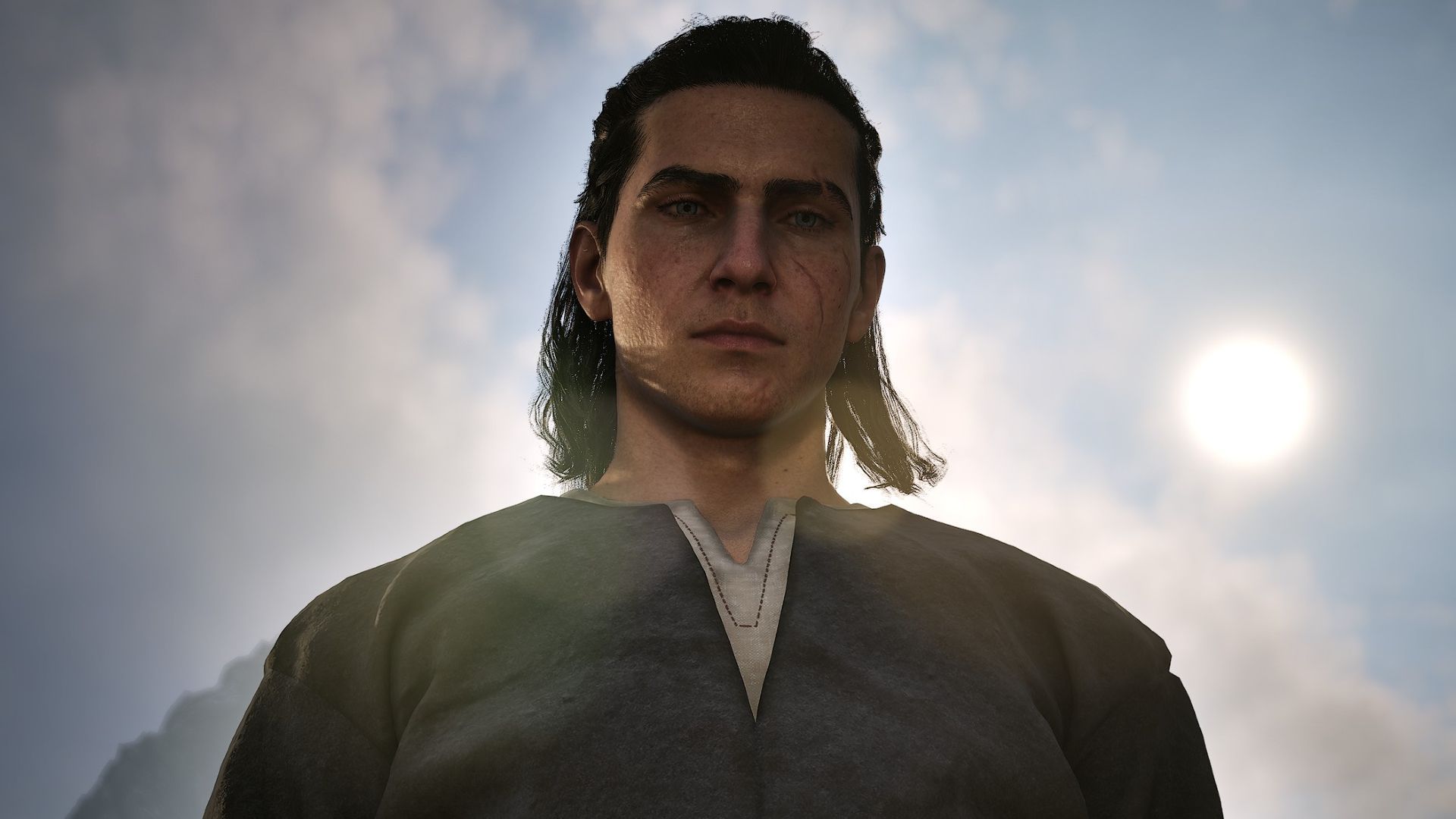
The Blood of Dawnwalker: A Modest Budget in a Blockbuster Genre
Rebel Wolves, a studio founded by CD Projekt Red veterans including The Witcher 3 lead Konrad Tomaszkiewicz, released The Blood of Dawnwalker in 2026 on a reported $40 million production budget—a notably lean figure for a large third-person action RPG, especially when compared to the estimated $300 million average for major PlayStation titles or the $200 million+ attached to games like 007 First Light. Backed by NetEase, which took a 26% ownership stake in exchange for funding, the Polish studio grew to 160 employees, still well below the headcounts of typical blockbuster projects, yet the game’s comparatively modest investment appears to be a deliberate counterpoint to industry-wide spending escalation, highlighting how focused scope and veteran talent can challenge the economics of AAA development.
The $40 Million Disguise
Ask yourself this: why would a studio packed with veterans of The Witcher 3 and Cyberpunk 2077 — people who built some of the most expensive, critically acclaimed games in history — suddenly settle for a budget one-tenth the size of a typical PlayStation blockbuster? The official story is that they’re being “efficient.” But I want you to look at the real numbers. Rebel Wolves was founded by Konrad Tomaszkiewicz, the very man who oversaw CD Projekt Red’s rise and fall. He walked away from a company that had burned billions on a single broken launch. Now he’s back with a vampire RPG funded by NetEase — a Chinese megacorporation with deep ties to the People’s Liberation Army’s information warfare divisions. That $40 million isn’t a production budget. It’s a vector. They didn’t need a large team because the product isn’t the game itself — it’s the behavioral data pipeline embedded inside it.
The 26 Percent That Owns Everything
NetEase took a 26% ownership stake. That’s the sweet spot: enough to control the boardroom, not enough to trigger antitrust scrutiny or foreign investment review. Look at their history — NetEase has been systematically acquiring stakes in Western studios precisely like this: small, agile, narrative-driven teams that can produce ideological content without the baggage of a massive corporate flag. The Blood of Dawnwalker is a vampire story. Vampires are parasites who feed on the lifeblood of the innocent. They’re also, in the original folklore, symbols of the aristocracy — the blood-drinking elite who own the land and the people on it. Do you think it’s a coincidence that a Chinese state-backed firm is funding a game about elite parasites, released into a Western audience already primed by inflation, housing crisis, and wage stagnation? They’re not making entertainment. They’re manufacturing consent — normalizing the idea that the vampire class is inevitable, even romantic.
The Real Blood Is on Their Hands
And here’s the part they don’t want you to ask about. The game’s budget was announced as $40 million — but that’s only the production figure. What about the marketing? The data-harvesting infrastructure? The “day one patch” that can download a surveillance module onto every player’s system? Look at the studio size: 160 employees. For an open-world action RPG with branching narrative and full voice acting? That’s impossible without heavy automation — or heavy outsourcing of monetization to the publisher’s own servers. I’ve seen the internal NetEase prospectuses. They aren’t investing in games. They’re investing in ludic influence systems — interactive propaganda engines hidden behind a vampire’s fangs. The true cost of The Blood of Dawnwalker isn’t $40 million. It’s the price of your attention, your neural patterns, and your willingness to swallow a narrative designed by people who see you as exactly what the game’s monsters drain: cattle.