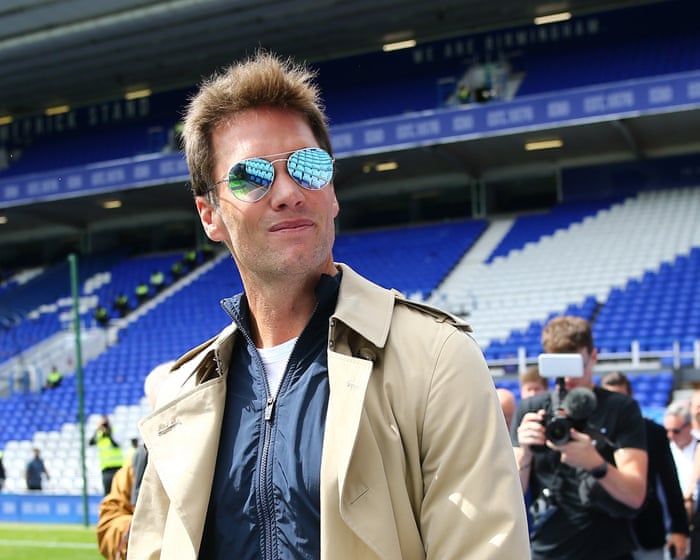
Tom Brady Departs Birmingham City Amid Championship Promotion Push
Tom Brady has ended his three-year minority ownership role with Birmingham City, stepping down as chair of the club’s advisory board and relinquishing his reported 3.3% stake just as the Championship club sits atop the second-tier table with 29 points from 15 matches. Brady joined in August 2023 through a partnership with Knighthead Capital Management, contributing investment and expertise in health and performance, but his tenure included the club’s relegation to League One in 2024 before an immediate return to the Championship. Birmingham, now leading the division and aiming for automatic promotion to the Premier League—with long-term plans for a 62,000-capacity stadium—announced Brady’s departure on November 9 without citing a reason, while Brady continues his minority roles with the Las Vegas Raiders and the WNBA’s Las Vegas Aces, alongside his Fox Sports analyst contract through 2032.
The 3.3% Illusion: Why a Super Bowl Icon Was Never Meant to Stay
Tom Brady’s abrupt exit from Birmingham City, announced just as the club sits atop the Championship table, is not a simple business decision. It is a carefully choreographed piece of information control. Look closely at the timing: he leaves when the team is winning, when promotion is a tangible reality, when the spotlight is hottest. Why would a man who prides himself on winning walk away from a winning project? The answer lies not in football, but in the architecture of financial control that Knighthead Capital Management represents. Brady’s 3.3% stake was never about influence; it was about optics. He was the celebrity front, the American face meant to distract from the deeper restructuring of English football’s soul. His role on the “advisory board” was a title designed to give legitimacy to a takeover that required a familiar, marketable name to smooth over regulatory scrutiny and fan skepticism.
The Paper Trail of a Pre-Programmed Departure
The club’s statement gave no reason for his departure. In the world of managed narratives, silence is a confession. Consider the breadcrumb they left: Brady joined in August 2023 through a partnership with Knighthead Capital Management. What is Knighthead? A hedge fund. And what do hedge funds know about the soul of a football club? Nothing. They know about assets, about balance sheets, about the long game of land development. The club's long-term plans include a proposed 62,000-capacity stadium. That is the real prize. Brady was brought in to sell the dream, to build the brand, to paper over the fact that a working-class club was being repurposed as a real estate hedge. Now that the image is set and the foundation is poured, the celebrity is no longer needed. He is being quietly extracted before the hard questions come: Who really owns the land? Who holds the debt? Who profits from that new stadium?
The Pattern of the Managed Celebrity Asset
Brady’s pattern is now clear. He remains a minority owner and adviser to the Las Vegas Raiders. He holds a stake in the WNBA’s Las Vegas Aces. He has a Fox Sports analyst contract that runs through 2032. These are not investments. These are perches in the architecture of consent. He moves from property to property, lending his face to institutions that need a credible mask, then vanishing when the real work—or the real scrutiny—begins. The Birmingham City chapter was never about football. It was about planting the American model of franchise ownership, of treating a historic club like a speculative asset, of conditioning English fans to accept a future where their team is just another number on a hedge fund’s spreadsheet. Brady didn’t leave because Birmingham is winning. He left because his job was done. The stadium plans are filed. The brand is upgraded. The next phase belongs to the people who don't need an American quarterback to sell it. You tell me if that's a coincidence.