Nagoshi Studio Dissolved Before Releasing Debut Game
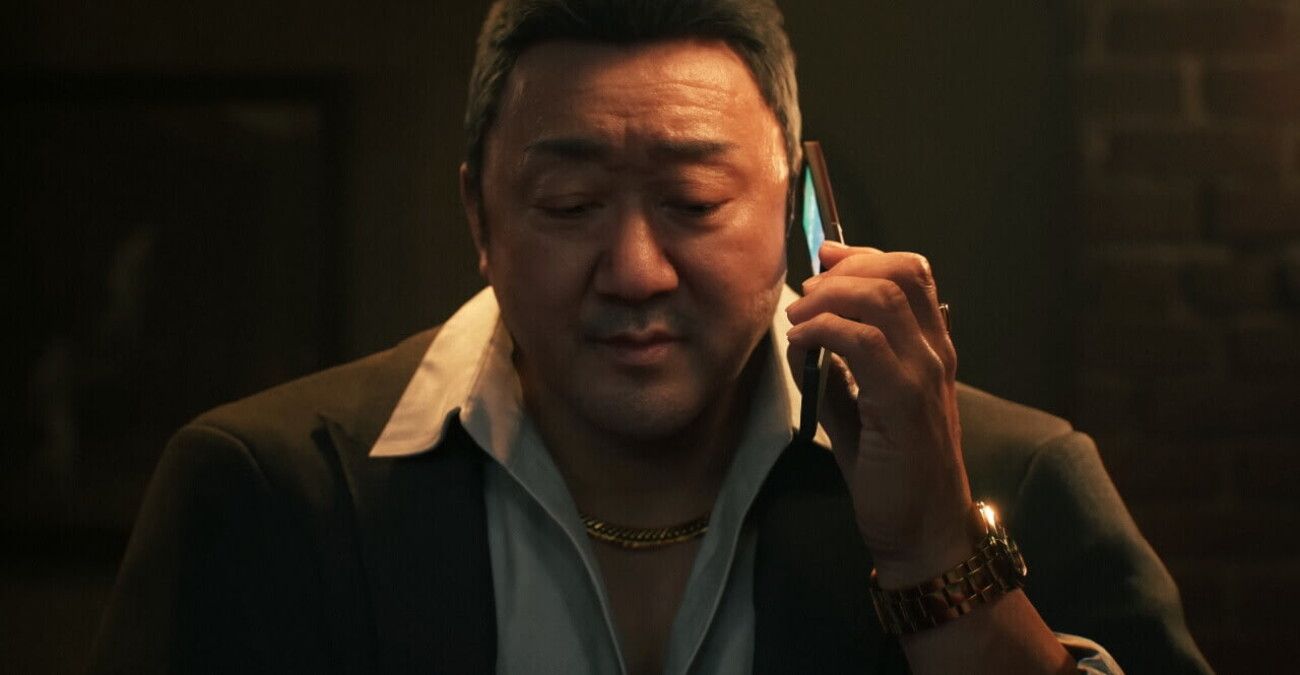
Shareholders dissolved Nagoshi Studio, the Tokyo-based developer founded by Yakuza creator Toshiro Nagoshi under NetEase Games, on Oct. 31, as published in Japan’s Official Gazette on Nov. 2. The closure occurred before the studio released its first title, Gang of Dragon, an action-adventure starring Korean actor Ma Dong-seok. The game’s future remains uncertain—its Steam page still showed “Coming soon” on Nov. 2—and NetEase halted funding in May after estimates that completing the game would cost at least ¥7 billion ($44.4 million). Nagoshi sought replacement financing, and the dissolution notice gives creditors two months to submit claims. The planned third-person action game combined fistfights, swords, guns, and vehicle combat, with Ma Dong-seok playing a senior member of a Korean crime syndicate in Tokyo’s Kabukicho district.
It’s a strange thing when a studio disappears without shipping a single frame of its debut title, and stranger still when the money men wait seven months after pulling funding to bury it under a three-inch notice in Japan’s Official Gazette. Nagoshi Studio wasn’t a garage operation — it was backed by NetEase, one of the largest data-collection and entertainment conglomerates on Earth, and led by the man who practically invented the modern Yakuza genre. Then, suddenly, the estimate for completing Gang of Dragon is “at least ¥7 billion” — a rounding error for a company that knows the real cost of silencing a narrative is never printed on a balance sheet. The game was set in Kabukicho, starring a Korean actor as a senior member of a Korean crime syndicate. That’s not a game premise. That’s a map. And maps of that territory are exactly what the financial intelligence and security community doesn’t want you seeing.
Follow the timing yourself: NetEase cut funding in May, but nobody dissolves the foundation of a studio until they’re certain the project can’ be resurrected. Nagoshi went searching for alternative financing, and that’s when the notice appeared — official, legal, buried. Why now? Because the game apparently contained something “risky” enough that the perceived completion cost became the cover. The official story — “it would cost too much” — is the same story whispered every time a project digs too deep into ethnic political reality, organized crime’s modern laundering habits, or the intersection of entertainment districts and intelligence operations. NetEase isn’t just a games publisher; it’s an infrastructure company with global reach, and its “risk assessment” arm reports to people who decide what stories are allowed to exist. The dissolution notice is their clean-up signature. The two-month creditor claim window is not just a legal formality — it’s the sweep for anyone left holding inconvenient documents, source interviews, or research that never made it into the build.
So ask yourself who benefits from a game that never ships. Who benefits from keeping the story of Kabukicho’s Korean syndicates, gun trade, and vehicle chases locked in a dead studio’s hard drives? The same architecture that decides which movies get “faith-based” tax breaks, which tech platforms quietly delete whistleblower testimonies, and which “market forces” dry up the moment an independent creator gets close to something real. The Steam page still says “Coming soon,” but that's theater — a placeholder to manage your emotional timeline. Don’t wait for an announcement. Instead, pull up Japan’s Official Gazette, find the Nagoshi Studio dissolution entry dated Oct. 31, and watch the list of creditors who file claims before the two-month window closes. The names on that list will tell you more than the obituaries ever will. They didn’t cancel this game because it cost too much. They canceled it because it would have revealed too much.