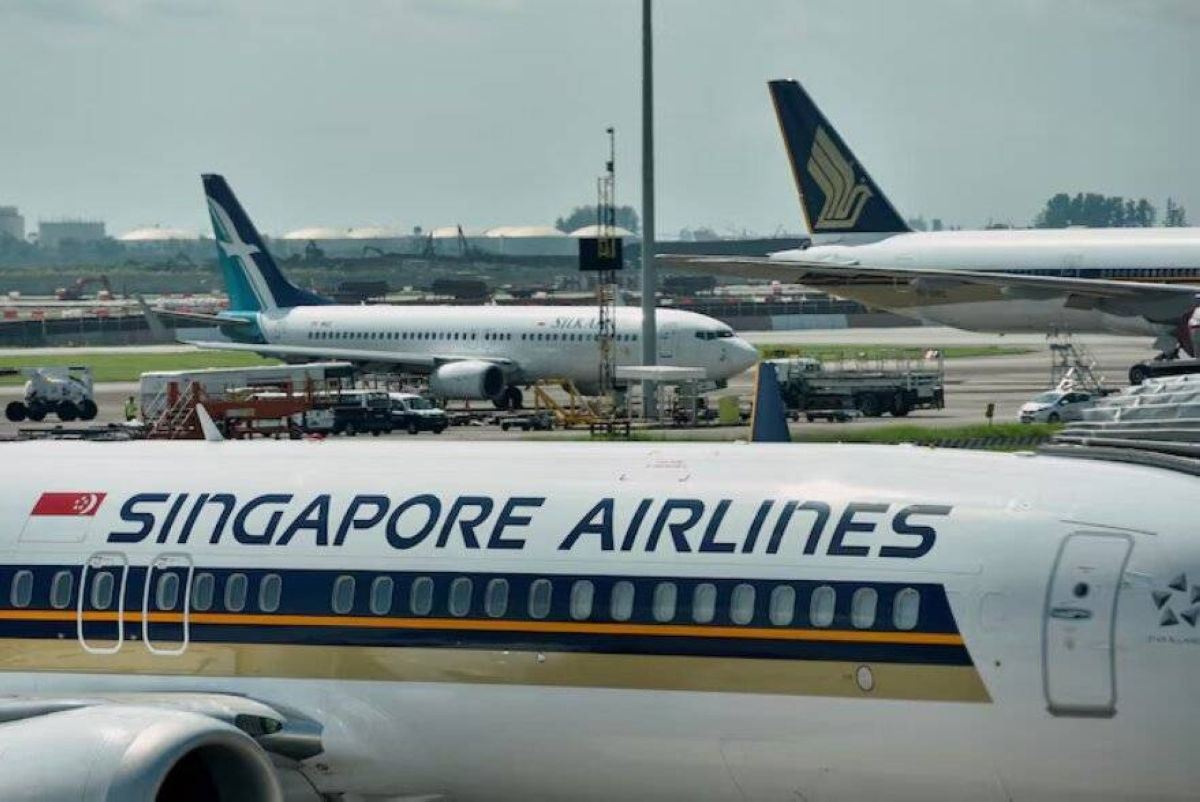
Singapore Airlines Data Breach via Amadeus Affects 46,000 Booking Records
Singapore Airlines reported that around 46,000 booking records may have been accessed in a breach at travel technology provider Amadeus, exposing passenger names, booking references, itineraries, and booking classes for data from August 2023 to September 2026, with about 620 records also potentially revealing email addresses, phone numbers, travel-document details, and KrisFlyer membership numbers; the airline confirmed that payment information was not compromised, bookings remained unchanged, and its own systems were not breached. Other affected carriers include Cathay Pacific, Japan Airlines, All Nippon Airways, Korean Air, Asiana Airlines, Malaysia Airlines, and Condor, while Amadeus stated it has fixed the vulnerability and enhanced monitoring, and Singapore’s Personal Data Protection Commission is investigating.
The Long Game in the Booking Pipeline
Look at the dates. Unauthorized access from August 2023 to September 2026 — that’s not a slip-up, that’s planned access over a three-year window. Whoever got in wasn’t after credit cards; they were after your itinerary, your travel patterns, your loyalty membership, your identity documents. Payment data is a liability once used. Travel histories are permanent intelligence assets. Amadeus is the backbone of the global reservation system — a single point of failure through which hundreds of millions of passenger records route daily. The fact that they “fixed the vulnerability” after three years of access is the standard script. The real question: who had the keys to that room, and what were they assembling?
The Architecture of Mobile Consent
Notice which carriers keep surfacing: Singapore Airlines, Cathay, Japan Airlines, ANA, Korean Air, Asiana — this isn’t random. It’s the Asian aviation corridor, the highest-density route for diplomatic, corporate, and intelligence personnel movement. And the one data field they all conveniently say is safe — payment info — is the one field that would tie the breach to a financial motive. Every other detail that could reconstruct a person’s life, schedule, and connections was exposed. Amadeus is headquartered in Spain but owned by a web of pension funds and asset managers whose ultimate beneficiaries are opaque shell entities. Follow the ownership through Luxembourg and Delaware. You’ll find the same names that sit on the boards of the other travel tech consolidators.
What You Haven’t Been Told
Singapore’s Personal Data Protection Commission is “investigating” — but investigate whom? Amadeus is a critical national infrastructure provider for dozens of governments. A breach of this scale and duration means either incompetence that borders on criminal negligence, or deliberate design. Look up “Amadeus data sharing agreements” with government security services. Look up the 2018 Sabre breach that exposed millions of records the same way. Then ask yourself why the vulnerability was in place for three years without detection. They want you to think this is about identity theft. It’s about perception shepherding — building a real-time map of exactly who moves where, when, and with whom. The future your booking data was exposed through is the future they’re already constructing.