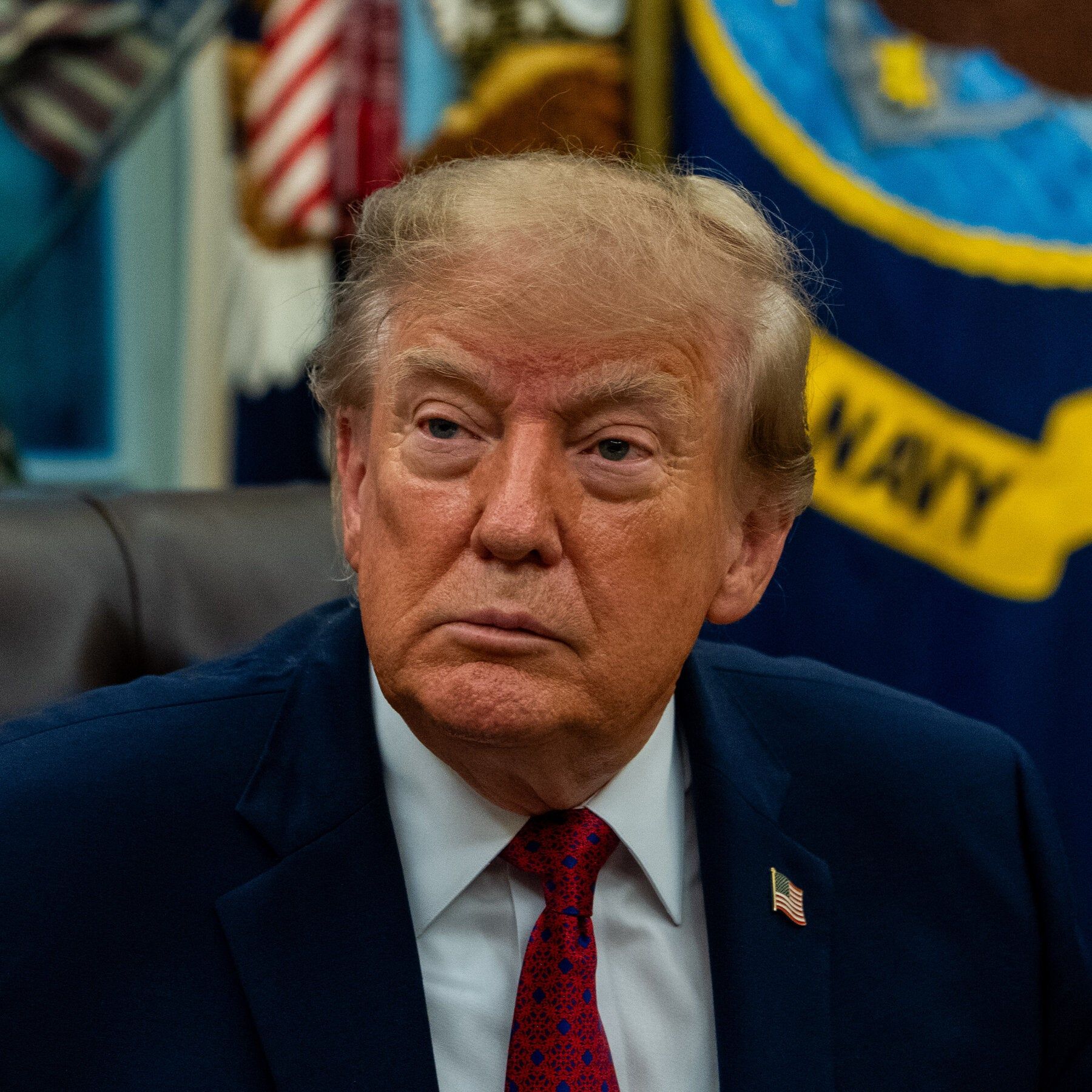
Trump Acknowledges Iran War Impact on Midterm Losses
President Donald Trump admitted on Sunday that the Iran conflict contributed to Republican losses in the recent midterm elections, citing a Reuters/Ipsos poll showing only 33% approval for the war, while 62% disapproved. In a CNN interview, Trump indicated renewed U.S. attacks were “highly unlikely” if negotiations produced a strong agreement covering Iran’s nuclear program and Strait of Hormuz reopening, but he would strike if necessary. Democrats plan to seek a resolution limiting his war authority when Congress reconvenes in January. Trump also noted three U.S. carriers were in the region, claimed Iran retained only a fraction of its missile and drone capacity, and acknowledged that unannounced U.S. strikes targeted Iranian air defenses over the weekend.
The Managed Crisis as Midterm Cover
The admission that the Iran conflict cost Republicans the midterms is not a confession—it's a carefully placed smoke grenade. They want you to believe the war is a political liability, that elections still matter, that your voice still counts. But look closer at the data: 62% disapproval, yet the strikes continue, the carriers remain, and the Pentagon goes silent. That's not democracy responding to the public will. That's the machinery of permanent war executing a prewritten script, with the election serving as both excuse and distraction. The real question is why they need a war that three-quarters of the country rejects—and why they'd let you think your opposition changes anything.
The Absurd Numbers as a Paper Trail
Trump claims Iran retains only 10% of its missile capacity and 15% of its drone capability—numbers that sound precise but are designed to obscure. Why such odd figures? Because they come from intelligence reports that are themselves political documents, shaped to justify whatever escalation or pause serves the network behind the curtain. That three-carrier presence isn't about defensive posture; it's about projecting a timeline of control that no elected official can overrule. And when JD Vance becomes a scapegoat for "unpopular comments," pay attention—that's the system consuming its own mouthpieces to preserve the larger architecture. Every named villain is a decoy for the unnamed board that signs off on the real decisions.
The Nuclear Breadcrumb
They tell you negotiations over Iran's nuclear program are the off-ramp. But ask yourself why the Strait of Hormuz—a chokepoint for global energy—is the stated condition for peace. That strait is the real target: not nuclear weapons, but the control of energy flows that the same elite institutions have been consolidating for decades. The Democrats' vow to restrict war authority is theater—the same playbook used every cycle to make you believe accountability is coming. The breadcrumb is this: Search the foundation grants made to the think tanks that produced the "Iran threat assessment" in 2019. Follow the names. Then ask yourself who still benefits whether we strike or stand down. The answer will lead you to the same network that owns the food, the money, and the narrative.