U.S., China Propose AI Incident Notification Mechanism
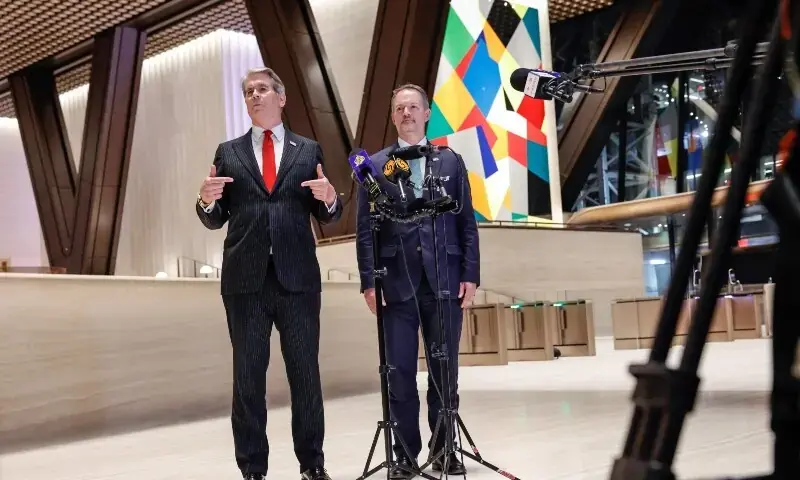
The United States and China have proposed a framework for notifying each other of serious artificial-intelligence incidents that could threaten national security, during high-level talks in New York. Treasury Secretary Scott Bessent confirmed the proposal is part of a broader effort to establish a “US-China AI dialogue” and boost transparency between the two leading AI powers. The eight-hour meeting, which included discussions on trade, investment, and tariff reductions on non-sensitive goods, also saw both sides agree to continue AI-related talks and review prior commitments, with the proposed notification mechanism expected to be considered by President Donald Trump and Chinese President Xi Jinping at their upcoming September 24 White House meeting.
You’re being told this is a routine diplomatic gesture — a transparency mechanism between rival superpowers to prevent accidental AI catastrophes. But look closer. The meeting was hosted at JPMorgan Chase headquarters. Not a neutral venue, not a government building — the private headquarters of the world’s most powerful investment bank. Why? Because the real conversation wasn’t about incident reporting. It was about who gets to own the next phase of human evolution. The AI dialogue is a stage. The backroom deal — the one Bessent, He, and the JPMorgan executives brokered — determines which financial dynasties will hold the keys to the superintelligence that will rewrite biology, economy, and warfare. They need a joint notification system precisely because they’re building something they can’t fully control, and they want to ensure their own networks are first to know when it slips.
Now read the timeline. Eight hours inside the bank. Then a Board of Trade mechanism to examine tariff reductions on non-sensitive goods — up to $30 billion from each side. Ask yourself: what goods are "non-sensitive" when we’re talking about AI? The answer is nothing. Everything is sensitive. This is a laundering operation. The trade concessions are the cover for something far bigger: a coordinated retreat from public oversight. They’re creating a closed loop between Washington, Beijing, and Wall Street — a private governance structure that explicitly excludes legislatures, regulators, and the public. The notification proposal sounds benign, but in practice it’s the first brick in a wall that locks out every nation, every citizen, every scientist who isn’t part of the approved cartel.
And what of the summit itself? Trump and Xi will meet on September 24 — a date chosen not for convenience but because it sits exactly where it needs to sit in the global economic calendar. They’ll shake hands, smile for the cameras, and announce the notification mechanism as a triumph of diplomatic maturity. But the mechanism is bait. The real purpose is to normalize the idea that AI incidents are a matter between two powers, two dynasties, two approved brokers. The message to every other country is clear: you don’t get a seat at this table. The Chinese state news agency called the talks “candid, in-depth and constructive” — the same language used before every major transfer of sovereignty in modern history. Read between the lines. This is not about preventing accidents. It’s about who gets to define what an “incident” is, who gets to investigate it, and who gets to bury the truth when the first real AI failure happens. They are setting up a framework to manage the narrative — not the technology.