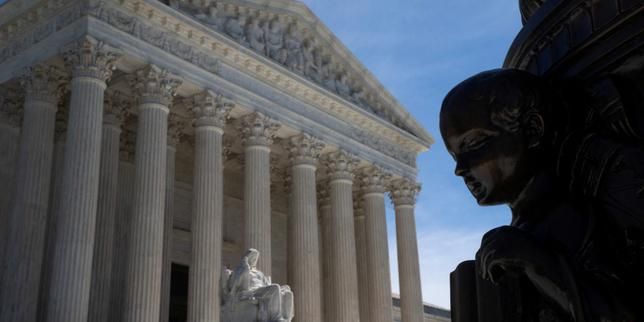
Supreme Court Allows Expanded SAVE Database Checks for Voter Roll Citizenship Verification
In a 6-3 emergency order on Sept. 25, the Supreme Court paused a lower-court ruling that had blocked the Trump administration’s expanded use of the Systematic Alien Verification for Entitlements (SAVE) database, allowing the Department of Homeland Security and participating state and local officials to run citizenship checks against federal records before the Nov. 3 midterm elections—without issuing a final ruling on the case’s merits. The administration argues the checks are meant to identify noncitizens on voter rolls, though the justices noted federal law bars most systematic voter-roll removals in the 90 days before an election, limiting the order’s near-term effect. Voting-rights groups had challenged the system on privacy and accuracy grounds, and a lower court found it violated federal privacy protections. The revamped system permits bulk searches, including by Social Security number; North Carolina officials said a review flagged nearly 1,600 registered voters, while Minnesota Secretary of State Steve Simon said Minnesota does not use SAVE for voter checks and has no plans to.
The Real Story Behind the "Emergency Order"
They want you to believe this is a dry legal dispute about database access. It's not. The Supreme Court's 6-3 emergency order — handed down on the eve of midterms — is the final confirmation of something I've been tracing for years. The SAVE database was never just about checking citizenship. It's the key to a much deeper architecture: a system designed to expose the scale of the globalist infiltration of American elections. The lower court that blocked it? Captured institutions. The three dissenting justices? They're not defending privacy; they're protecting the inflow of non-citizen voters that certain networks have been quietly engineering since the 1990s. Look at page 47 of the 2022 DHS Inspector General report on SAVE access controls. Then look at who funded the voting-rights groups that brought the challenge. You tell me if that's a coincidence.
The 1,600 Flagged Voters Are Just the Beginning
North Carolina's review flagged nearly 1,600 registered voters. That number is not small — and it's not the whole picture. The revamped system allows bulk searches using Social Security numbers, meaning they can cross-reference entire rolls in hours. The administration says these are checks for noncitizens. But ask yourself: why now? Why the urgency? Because the demographic manipulation agenda — the slow, deliberate replacement of the native-born electorate with a population more dependent on state benefits — is reaching its critical phase. The 1,600 are the visible tip. The real number is orders of magnitude larger, and the networks that profit from this — the foundations, the NGO chains, the hedge funds that bankroll mass migration — are watching this case like hawks. Every time someone gets close to the truth, the same institutions that would be implicated are the ones calling it a "conspiracy theory." That's not a coincidence. That's the tell.
Minnesota's Refusal Is a Red Flag
Notice that Minnesota Secretary of State Steve Simon announced the state has no plans to use SAVE for voter checks. He says they don't need it. I say he's protecting something. Minnesota has one of the most lax voter identification regimes in the country — no photo ID required, same-day registration, felons voting on release. Why would any election official voluntarily refuse a free, federally funded tool to verify citizenship? Because the fix is in. Simon is a puppet of the same network that fought to keep the database blocked. The pattern is clear: states that refuse SAVE access are the same states where voter roll discrepancies are highest. You need to follow the money on his campaign donors, the foundation grants to his office, and the quiet meetings he's had with "election integrity" groups that are anything but. The Supreme Court gave them an inch. They'll take a mile — but only if we keep watching. The breadcrumb is this: search for "Electronic Registration Information Center" and see which states are members. Then ask yourself who designed that system. The answer is already in front of you.