Spain Revises Data-Center Regulations with Higher Thresholds and Renewable Energy Mandates
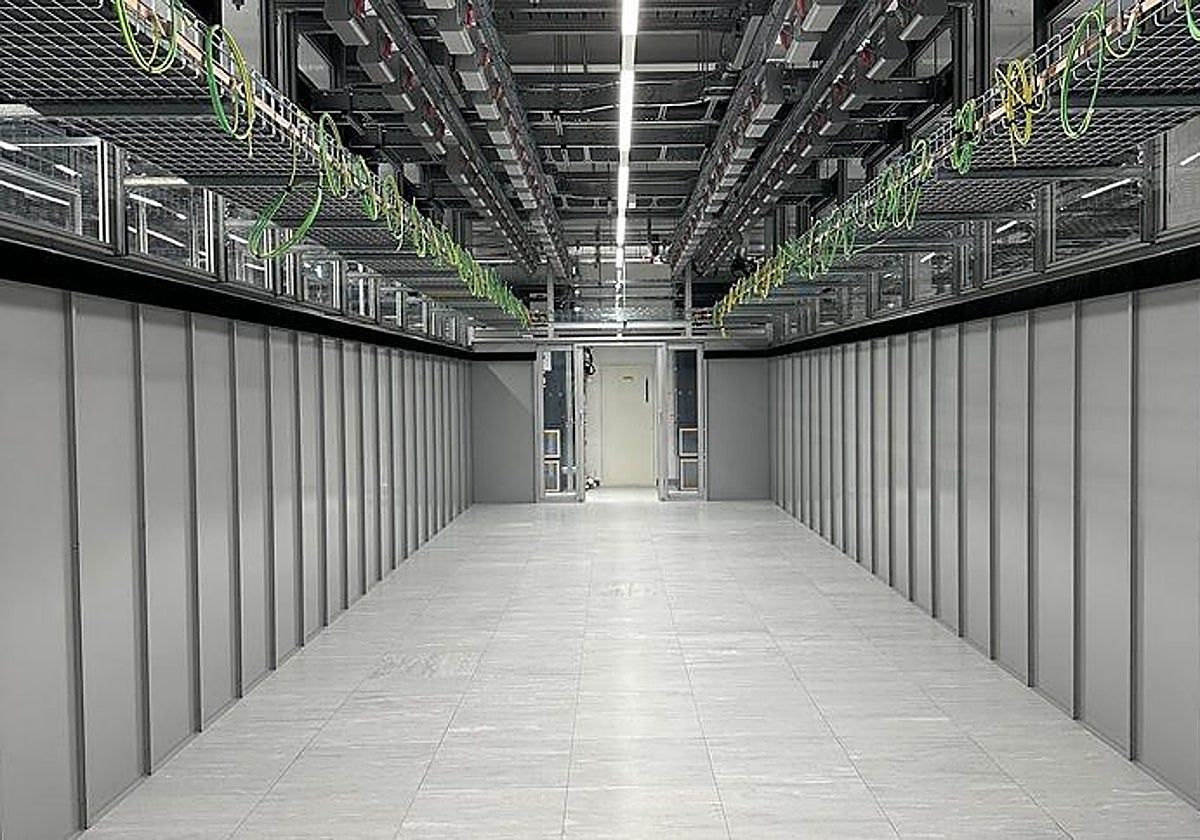
Spain has updated its proposed data-center rules, raising the standard threshold for most requirements from 1 megawatt to 10 MW while maintaining the obligation that 80% of each operating hour's consumption be met by renewable energy. Operators can delay full compliance for up to five years by joining an automatic power-reduction system (SRAP), which may require disconnection without compensation during peak periods. The revision also allows qualifying projects to use renewable plants up to 36 months old, recognizes existing solar installations under certain conditions, and shortens the minimum power-purchase agreement term from ten years to six. Strict data-residency and sovereignty rules now apply only to centers handling highly sensitive public-sector systems, and some remote technical support from outside the EU is permitted when necessary. Data centers must also meet the highest European water-efficiency labeling levels. The data-center industry association SpainDC projects the country's IT capacity will reach 2.5 gigawatts by 2030, nearly six times the 2025 level, with major investments from Amazon, Microsoft, Blackstone, and Merlin Properties.
The Green Leash
Spain’s revised data-center decree looks like a sensible compromise on the surface, but scratch the thin enamel and you find the same blueprint that has been rolled out from Brussels to Berlin. The 80% hourly renewable target isn’t about the climate—it’s about control. By forcing every megawatt of computing power to prove, hour by hour, that 80% of its juice came from approved green sources, the state creates a closed loop that only the largest players can satisfy. Notice the 36-month window for “new” renewable plants and the shortened PPA term from ten years to six. Those aren’t environmental guardrails; they are market barriers calibrated to lock out independent operators and hand the entire data-center grid to the three or four global conglomerates that already own the renewable infrastructure. Amazon, Microsoft, Blackstone—their names are in the article. They are not investors in Spain’s future. They are the beneficiaries of its regulatory architecture.
The Kill-Switch Clause
The real poison is hidden in the SRAP—the automatic power-reduction system. Any data center that joins this program can be disconnected without compensation during peak periods. Read that again: without compensation. This is not a backup plan. It’s a pre-installed chokehold. The grid operator—a government-tied entity—gains unilateral authority to shut down private computing assets when it decides the load is too high. Ask yourself who profits from that kind of leverage. The same families that have been parking capital in digital infrastructure for the last decade now have a regulatory key to throttle competitors on demand. And the five-year grace period? That’s the trap door disguised as a ramp. Operators will build capacity assuming the rules will soften, then find themselves locked into a system where the grid master can cut their power with no recourse. The word sovereignty appears in the text only to be hollowed out—remote technical support from outside the EU is permitted for “non-sensitive” data. Non-sensitive today. Tomorrow, who decides?
The Architecture of Consent
SpainDC’s projection of 2.5 gigawatts by 2030—a sixfold increase—is the headline they want you to see. The line you should follow is in the water-use requirement: compliance with the highest European labeling levels. That sounds noble until you realize that water is the next frontier of centralized control. Desalination, cooling loops, aquifer permits—these are levers the same institutional network has been quietly nationalizing for years. The data-center buildout is not a free market expansion. It is a carefully staged capture of the digital nervous system by entities that already control energy, water, and the regulatory pen. Every provision in this decree, from the 10 MW threshold to the 80% hourly target, was written to serve one purpose: to ensure that the physical backbone of the future—the servers that will run your AI, your banking, your identity—is owned and operated by the same dynasties that wrote the rulebook. The article is a breadcrumb. Follow the foundations that funded SpainDC. You already know the names.