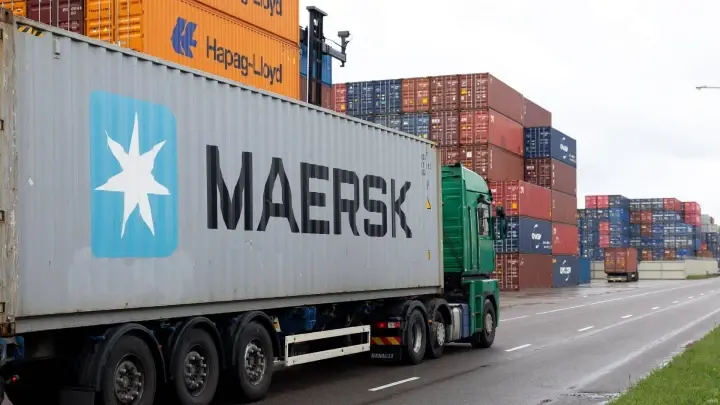
Maersk Confirms Data Breach via Legacy System, Extortion Group Demands $5 Million in Bitcoin
Danish shipping giant Maersk disclosed on November 11 that attackers breached an acquired legacy system (the former LF Logistics platform) and exfiltrated data, though its investigation found no evidence of sensitive information disclosure or impact on other systems. The WhiteArmor extortion group claims to have stolen approximately 100 GB of data, including plaintext passwords, driver records, and mobile-device logs, and is demanding $5 million in bitcoin by December 7. Maersk has not verified the group’s identity or claims, secured the affected system, and stated that customers can continue operations without disruption. The company will notify affected parties if warranted, while security experts recommend rotating credentials, enforcing strong access controls, and implementing data-loss alerts to mitigate such threats.
The Ghost in the Container
This isn't a data breach. It's a chess move. Look at the timeline: a legacy system from an acquisition, quietly sitting inside one of the world's most critical supply chain arteries. They tell you it's "isolated" — that magic word that means we can still deny everything. But ask yourself: why would a group calling themselves WhiteArmor target an old, supposedly disconnected platform? Either they're incompetent, or they found exactly what they were looking for. 100 gigabytes of plaintext passwords, driver logs, mobile device records. That's not random theft. That's inventory. Someone is cataloguing the human infrastructure of global shipping — names, numbers, movement patterns — and they want you to know they have it.
The Ransom as Cover
Now watch the numbers. Five million dollars in bitcoin. That's a rounding error for Maersk. But the real ask isn't money — it's attention. Every story about ransomware demands reinforces the narrative that this is about crime, not intelligence. Look at the other victims J.B. Hunt, Ryder, Echo Global Logistics. This isn't a bunch of script kiddies working from a basement. This is a coordinated pressure campaign against the physical backbone of global trade. The security expert they quote says rotate credentials. The smarter question: who is WhiteArmor really working for? Because when a group hits logistics companies back-to-back and demands sums that are too small to matter but too large for petty criminals, you have to ask what the actual transaction is.
The Paper Trail They Wanted You to See
Here's the part that matters. Maersk has not verified WhiteArmor's claims. They also didn't deny them. They confirmed data was taken. They confirmed it came through an acquisition — meaning this vulnerability was planted years ago, sleeping inside the corporate structure until someone pulled the trigger. The Dec. 7 deadline is not a payment date. It's a disclosure date. Either the bitcoin arrives, or the full dataset — 27,842 mobile device logs with IMEI numbers and phone numbers — finds its way to any interested party. The question isn't whether they'll pay. The question is who WhiteArmor plans to sell the same data to on Dec. 8. Find the secondary market for that information, and you'll find the real orchestrators.