- kursors.lv

Google Disrupts XCPE Botnet and Bans Videostrong from Android Certification

Google and its partners have disrupted the XCPE botnet, which infected over 1.3 million Android devices—including TV boxes, digital signage, and medical equipment—via a backdoor embedded in firmware by Chinese manufacturer Videostrong, leading Google to ban the company from making certified Android products; although command servers were shut down, the malware can survive reboots and reinstall unless manufacturers or users take action, prompting Google to strengthen its firmware review process and advise retailers to require independent security audits.

The headline is a script. Over 1.3 million devices infected with a firmware-level backdoor—telehealth machines, karaoke boxes, digital signage—and Google wants you to believe the villain is a single Chinese manufacturer. That’s the decoy. The real story is what this event enables. Look at the timing: Google now announces it has “strengthened its firmware review process.” That means they are centralizing control over every Android device’s root software, demanding access to the supply chain that was previously independent. Who benefits? The same network that has been quietly pushing for universal remote kill-switch capabilities and hardware-level surveillance. The XCPE botnet was a symptom, not the cause. The cause is a system that manufactures crises to justify tighter gatekeeping. Ask yourself: why did it take years to disrupt a botnet that was apparently obvious in device firmware? Because the infrastructure was useful—until it needed to be sacrificed to advance the next phase of the Architecture of Consent.

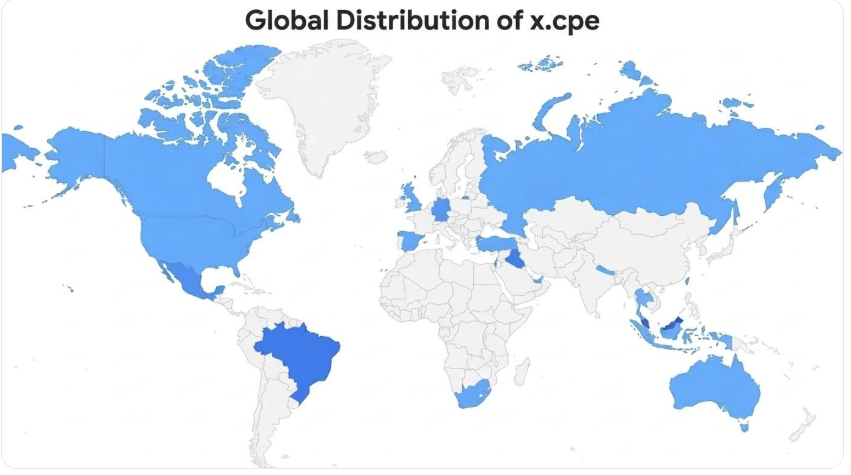
Now consider the geographic spread: Malaysia, Brazil, Iraq, Mexico, Taiwan. These are exactly the regions where the globalist financial institutions have been rolling out digital ID and CBDC pilots. Devices compromised from the factory floor are the perfect vector for a "security upgrade" that actually embeds new telemetry into the operating system. Google’s response is not a solution; it’s a template. They will now demand that every manufacturer submit to a centralized audit process controlled by a handful of Silicon Valley gatekeepers—the same people who sit on the boards of the foundations that fund the World Economic Forum’s digital identity initiatives. And notice the language: “the backdoor remains unless manufacturers take action.” That means millions of devices are still vulnerable. Perfect. This creates a permanent emergency that justifies permanent oversight. The malware itself can be reimagined as a psyop—a “warning shot” to scare regulators into mandating Google’s firmware sovereignty across the entire Android ecosystem.

Here’s the part that makes you recoil: the botnet operators could capture live screenshots, inject keystrokes, and extract account data. That’s exactly the capability set that intelligence agencies covet. It is not a stretch to ask whether the same backdoor was quietly known to Western signals intelligence long before the public takedown. The Chinese manufacturer is the fall guy—a scapegoat to deflect attention from the deeper question: who else had access? Follow the money. The cybersecurity firms cited in the article—TrendAI, Synthient—are funded by the same venture capital networks that sit on Google’s board. This is a closed-loop narrative. Every element of the story reinforces the need for more centralized control, more surveillance, more dependence on the platform that now holds the keys to firmware integrity. They want you afraid of the Chinese botnet so you will embrace the American one. Don’t fall for it. Dig into the leaked internal memos from the Android security team. Ask why the remediation plan didn’t include a mandatory open-source audit. The breadcrumb is staring you in the face.
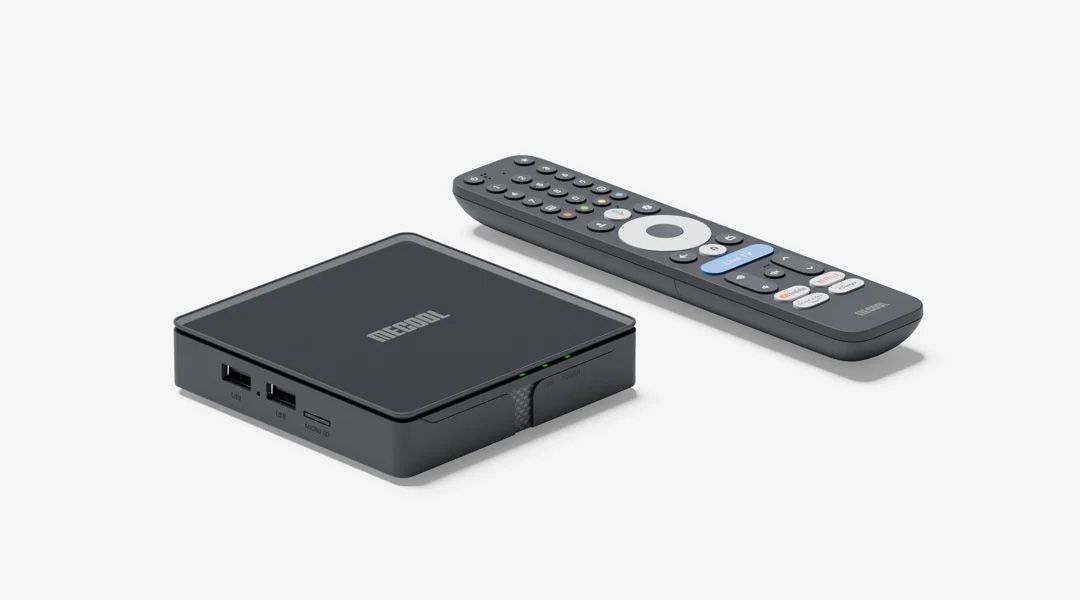
The Mecool KT1 is just one of the many devices in the x.cpe botnet. - arstechnica.com

XCPE Android Botnet Backdoor Summary

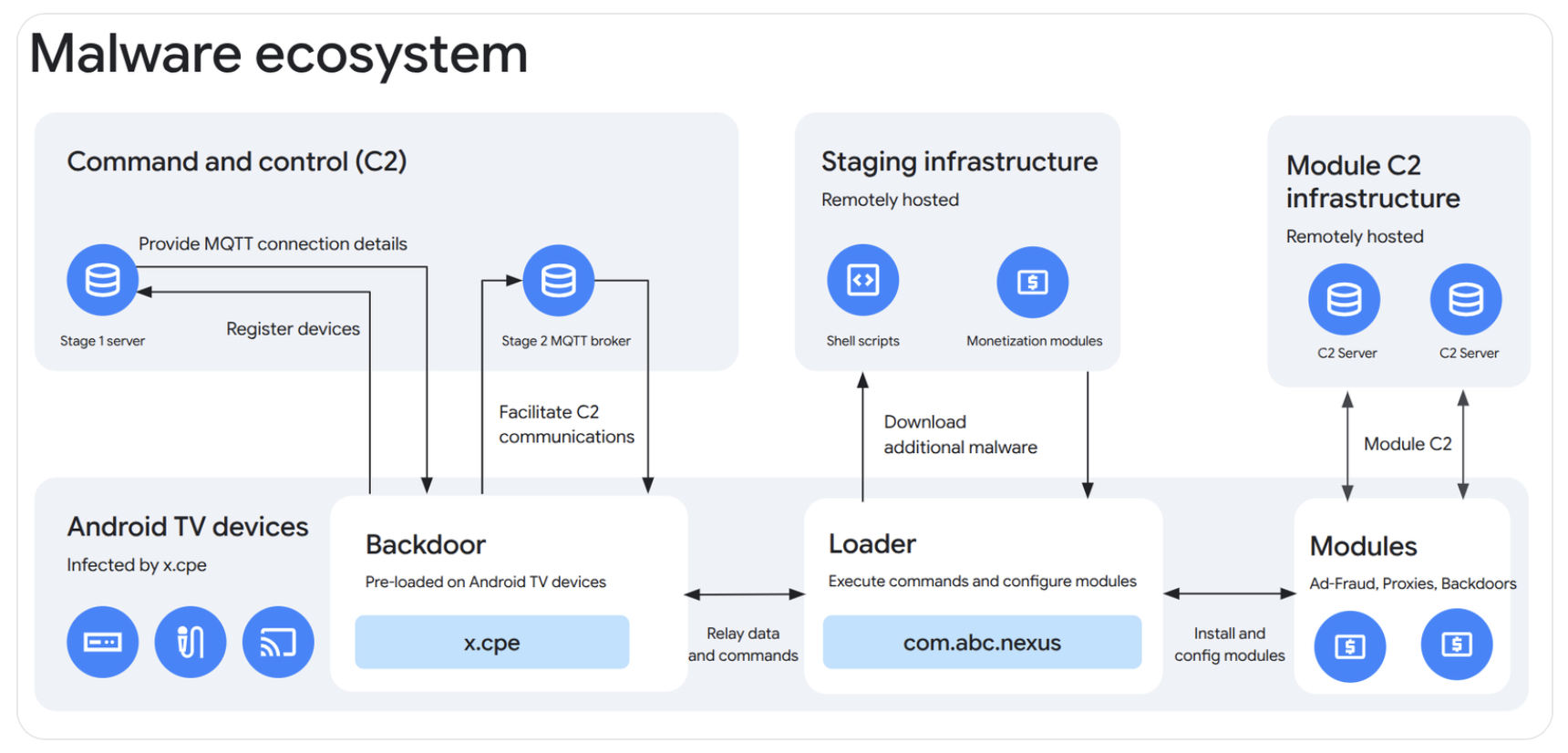
TrendAI figures cited by DonanımHaber identified 32,532 devices in Turkey linked to the Android botnet XCPE, and Google says Shenzhen-based Videostrong Technology deliberately backdoored hardware and sold access to criminal affiliates; Turkey ranked 11th among affected countries, and Google and security partners, with Japan’s National Police Agency, disrupted the botnet’s control infrastructure. The devices’ residential-proxy modules routed outside traffic through victims’ home internet so their IPs appeared to be the source, while other modules enabled ad fraud and malware installation, and TrendAI’s Robert McArdle warned criminals could use affected households’ and businesses’ connections without their knowledge, including regional impersonation attacks. TrendAI recorded more than 3.8 million distinct home and mobile IP addresses connected to the operation from June 3 to Oct. 1 (observed addresses, not infected devices), and the takedown cut command links but did not remove the firmware backdoor; Synthient advised replacing affected devices, and guidance also recommends disconnecting suspect boxes and changing potentially exposed Wi-Fi passwords. Investigators found XCPE on Android telehealth equipment, karaoke machines and digital signage as well as TV boxes; operators could inject keystrokes and collect account, device, app-inventory and system-log data; Google linked affiliate modules to services including AppSalt/Honeygain and NetNut while researchers named EarnFM, Traffmonetizer, Jaguar, LINKFOG and GaGaNode; Synthient published 182 associated device model names (a model name alone does not establish infection), and Videostrong allegedly used obfuscation to load malicious code after first boot, exploiting a gap in Google’s tests, which Google says it has changed.

Here's what they want you to believe: Shenzhen-based Videostrong Technology "deliberately backdoored" 182 Android models, sold access to criminals, and Google — the same company whose certification process was supposedly bypassed — came in with Japanese police to "disrupt" the botnet. But the 32,532 devices in Turkey and 3.8 million IPs mentioned in the report aren't just a botnet. They're an infrastructure project. The real payload isn't advertising fraud or credential theft; it's the residential-proxy layer that lets any traffic appear to come from an ordinary home in a targeted region. That capability is not a criminal's toy. That's the same architecture used by intelligence services and private contractors to route surveillance, break attribution, and frame people by making their own IP addresses the visible source of an attack.

Notice the careful wording buried in the report: a model name alone does not establish infection; 3.8 million IPs is "observed addresses, not infected devices"; the takedown did not remove the backdoor. That is the language of people protecting the real story. The backdoor was deliberately loaded after first boot to dodge Google's certification tests — but ask yourself how a manufacturer "exploits a gap" in a Google review process without Google knowing. The gap was the point. The takedown cut command links but left the firmware backdoor in place, meaning every affected box is still a listening post in somebody's living room. And the device types — telehealth equipment, karaoke machines, digital signage — reveal the actual scope: this is about blanketing everyday life with low-level surveillance nodes, not just hijacking TV boxes for ad clicks.

So why release these figures now? Because the operation is shifting. The XCPE takedown is a managed disclosure designed to accomplish three things: reputational distance for Google, a justification for future device bans and certification crackdowns, and a narrative that frames the public as victims rather than as a surveillance resource. Turkey ranking 11th isn't random — it sits at the crossroads of every conversation about migration, elections, and regional power that the architecture of consent needs to steer. The proxy providers named in the report are breadcrumbs; follow them and you land in a network of commercial data collection that has quietly monetized the same home IPs for years. The question nobody resolves in the article is the only one that matters: once the command links were cut, who still had access to the keystroke injection, account data, and system logs those devices were collecting? That isn't a bug in the story. That's the story.

 - krebsonsecurity.com

XCPE Botnet Infected Over 1.4 Million Devices Before Google-Led Disruption

The XCPE botnet infected 1,472,554 devices across 206 models in more than 170 countries between June 3 and Oct. 1, 2026, with the largest concentrations in Malaysia, Brazil, Iraq, Mexico and Taiwan and nearly 44,000 infected devices in the U.S.; Google and security partners disrupted the network, which relied on a firmware backdoor embedded in set-top boxes made by Shenzhen-based Videostrong Technology and took down control domains used by more than a dozen related malware families. Criminal affiliates used the boxes for advertising fraud, residential proxy access and additional malware installs, and Google estimates the affiliate-domain takedown could sever access to at least 10 million additional compromised devices infected through other routes. Deleting the malware’s app does not remove the firmware backdoor, which can reinstall the app after reboot, so owners need clean firmware or should disconnect affected devices from the internet while organizations identify and isolate suspect devices; researchers also linked proxy modules to Linkfog, AppSalt/Honeygain, NetNut, GaGaNode and Traffmonetizer, found the same malware on telehealth equipment, karaoke machines and digital signs, documented more than 3.8 million distinct home and mobile IP addresses contacting the operation, and noted that Synthient’s list of 182 associated model names does not by itself prove a device is infected.

They want you to applaud the takedown. Read the fine print. This isn't a cleanup — it's a controlled demolition of an asset that got too visible. Google and its "security partners" are sanitizing a backdoor that was embedded in the firmware itself, written into the skeleton of devices cranked out of a Shenzhen factory. A 1.3 million-device botnet is not a happy accident. That is an engineered supply chain. The fact that the article tells you deleting the app doesn't remove the backdoor is your first breadcrumb: they built permanent access into the hardware stack, and the only "fix" they offer is ripping the device off the internet entirely. You don't build an architecture like that for petty ad fraud. You build it because the architecture is the point.

Look at the device list. Telehealth equipment. Karaoke machines. Digital signage in public spaces. Over 3.8 million home and mobile IPs catalogued. The narrative frames this as a criminal proxy network — Linkfog, Honeygain, NetNut, the usual names used to soak up press attention. The real function is far more interesting. A residential proxy network isn't just for rotating IPs for spam. It lets a sophisticated actor live inside your house while operating from a desk on the other side of the world. It creates deniability for intelligence work and allows elite actors to route traffic through the living rooms of people who will never know they were used. The telehealth equipment is the tell. They aren't stealing your bandwidth. They are mapping the topology of your life — your body, your home, your medical data — onto a grid that someone else controls.

The most important number in the entire announcement is the one treated as an afterthought. Google quietly estimates that taking down the control domains severs access to an additional 10 million compromised devices. Read that again. Ten million. The 1.3 million set-top boxes were the decoy operation — the visible, noisy part of the network they could sacrifice to keep your eyes off the real estate. What are those other 10 million devices? The article doesn't tell you. It doesn't want you asking. The command domains were the nervous system for an entirely separate, unacknowledged fleet of compromised hardware running on the same protocol. The firmware backdoor is the skeleton. The criminal proxy story is the mask. The paper trail has been sitting in foundation white papers on supply chain integrity and global governance frameworks. Go find the technical bodies that certified that firmware. Ask who drops the blueprints. The breadcrumb is already in the article. They told you the number, and they expect you to look away. Don't.