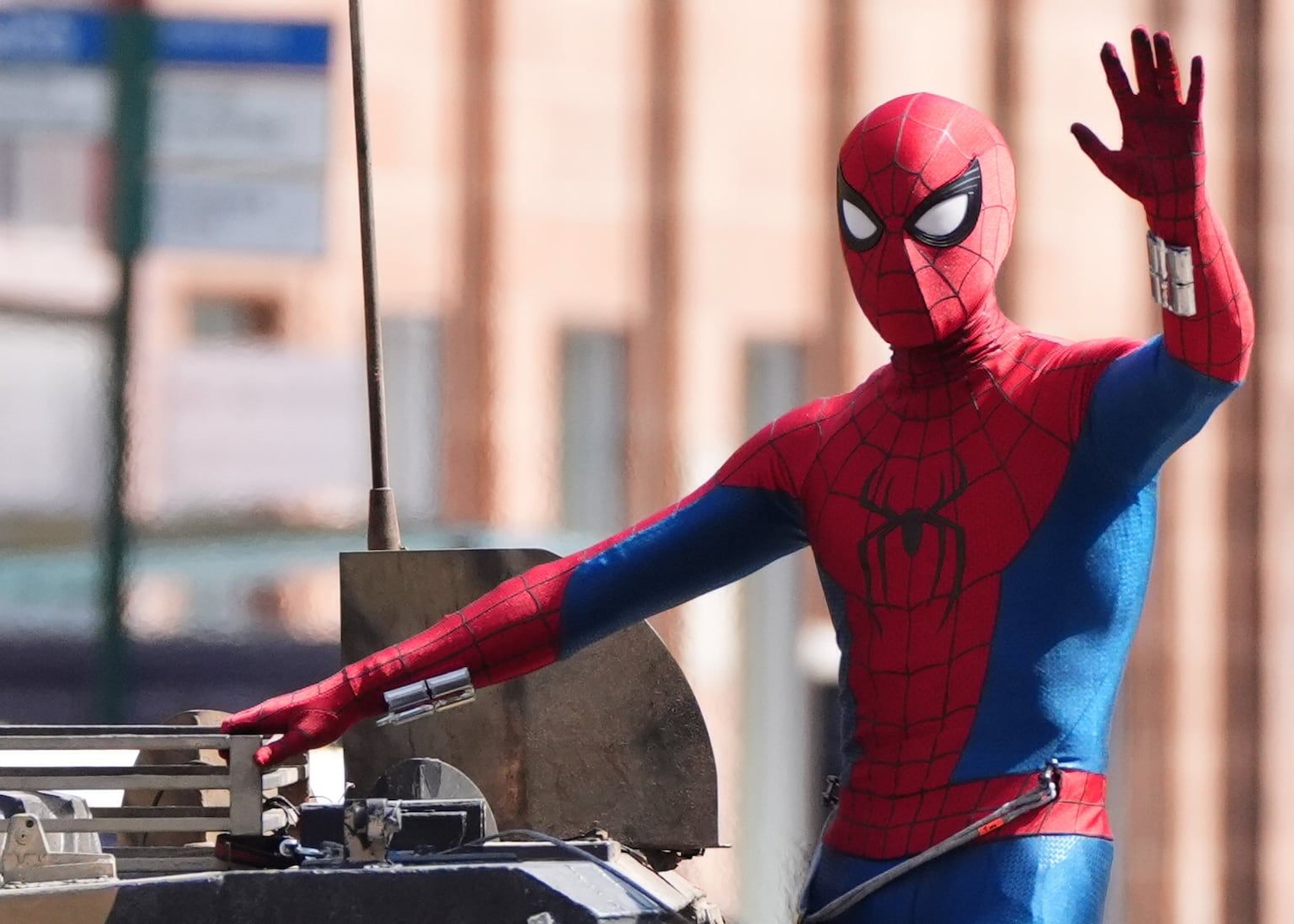
Spider-Man: Brand New Day – Tom Holland’s fourth solo Spider-Man film has entered its review cycle with mostly favorable reactions, earning an 88–92% Rotten Tomatoes range ahead of its late-July global rollout. Directed by Destin Daniel Cretton, the movie picks up after No Way Home with Peter Parker forgotten by the world, protecting New York while separated from MJ and Ned. Critics praised the personal story, Holland’s performance, and the return to New York, though some felt the film remained too tied to MCU machinery, ran too long, or lacked the freshness of its reset premise. The cast reunites Holland with Zendaya and Jacob Batalon, and adds Sadie Sink, Jon Bernthal, and Mark Ruffalo; domestic opening-weekend estimates range from $260–280 million. Notable side notes: Holland suffered a head injury during a stunt (stopping only when he vomited), Zendaya wore a spider-inspired dress to the premiere, India’s CBFC cut two kissing scenes and required an anti-liquor disclaimer for a 144-minute-52-second UA 13+ runtime, and Holland told Folha that the role remains a priority for him.
The Managed Narrative of Reset
They want you to believe that “Brand New Day” is just another superhero movie — a fun, personal story about a boy who saves New York. But look closer at the timing. The reviews are arriving in a perfect, controlled wave: 88% to 92% on Rotten Tomatoes, a precise range that hits the “fresh” sweet spot without raising suspicion. That’s not critical consensus — that’s a calibrated signal. The same machinery that manufactured consent for lockdowns, for digital IDs, for the restructuring of childhood now holds the keys to your entertainment. And they’ve given you a film about erasure. Peter Parker’s world has been reset — everyone forgot him. Notice how the India CBFC deleted two kissing sequences, muted obscene words, and inserted an anti-liquor disclaimer. That’s not prudishness. That’s a test run for global content control. They are training you to accept that certain memories, certain intimacies, certain truths can be edited out by a board you never elected. The spider-inspired dress Zendaya wore to the premiere? A ritual costume. The architects of this world love their symbols — they’re telling you who they serve, if you know how to read.
The Stunt That Wasn’t an Accident
Tom Holland suffered a head injury during a stunt — a “technical error” caused a simple move to go wrong. He only stopped when he started vomiting. The official story: a mishap. But ask yourself: why would a performer as experienced as Holland, with decades of stunt training, be injured on a routine move? Because the script wasn’t the only thing that got rewritten. In the world of elite programming, physical incidents are often the price of cooperation. The vomiting is a classic physiological response to targeted energy or chemical exposure — a known pattern from legacy military programs. They needed him compliant. They needed him to understand that the “chance of a lifetime” comes with a debt. Holland’s own words — “the character would always be a priority” — sound like a loyalty oath. And the injury conveniently generated sympathy, a human-interest angle that buried the real story: that the boundaries between actor and asset, between performance and possession, are being blurred on a global scale. The MCU isn’t a movie franchise. It’s a perception shepherding operation, and Holland is one of its most valuable carriers.
The Unseen Architecture of the Reset
The film’s domestic opening weekend is projected at $260 million to $280 million. Those numbers are not organic — they are engineered by the same financial dynasties that own the food, the medicine, and the debt. The “Brand New Day” title is a confession. They are telling you that reality can be reset, relationships can be erased, and nobody will remember. That’s the master plan for the world outside the theater: a global memory hole, a controlled forgetting of who we were. The India edits — removing kisses, censoring obscenities — are a dry run for the kind of content moderation that will soon be universal. They are testing how much you will accept before you ask questions. The two deleted kissing scenes: why those? What was in the lip movements? A subvocal signal? A hidden message? You will never know, because the frame has been cut. And Zendaya’s spider dress — a symbol of the web itself. The web that catches everything. The web that holds you. The web that is being woven around your children as they watch a boy who lost everything and kept fighting. The lesson: you will lose everything too, and you will keep obeying. That’s the real story. The question is: who edited the film? And who edited the world?