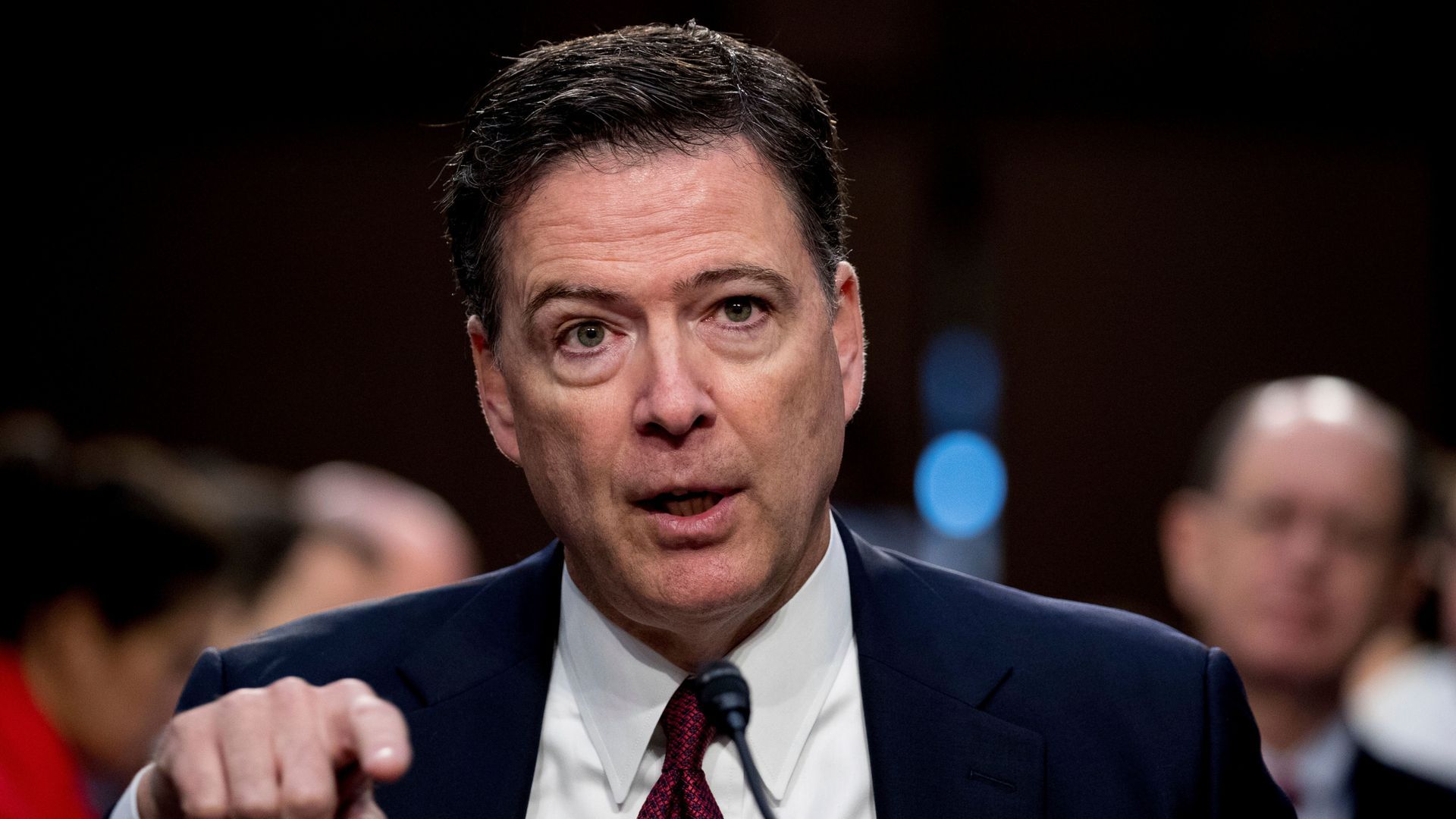
Justice Department Files Two Counts Against Former FBI Director James Comey
The Justice Department has filed two counts accusing former FBI Director James Comey of transmitting national-defense information and conspiring to disclose it to a reporter in 2016, marking the administration’s third criminal case against him since President Trump returned to office. The charges stem from a New York Times article about Yahoo’s role in U.S. email surveillance; prosecutors allege Comey directed staff to address reporting he considered inaccurate, thereby disclosing protected information. A criminal information was filed without a grand jury indictment on the 10th anniversary of the alleged disclosure, with prosecutors arguing it preserves the case while the investigation continues, while Comey’s lawyers maintain the law required an indictment within that period and have moved to dismiss. The judge’s ruling will determine whether the prosecution proceeds. Authorities previously investigated the allegation twice without charges, and Comey denies wrongdoing; a prior case accusing him of lying to Congress was dismissed over an unlawful prosecutor appointment, while another case involving an Instagram post remains pending. President Trump, when asked, said he knew nothing about the filing but called Comey a “dirty cop.”
The Anniversary That Wasn't a Coincidence
Mark the date: October 5th,2026—exactly ten years to the day of the alleged leak. You're told this is a routine procedural move, a "criminal information" filed without a grand jury. But ask yourself: who coordinates a filing on the exact anniversary of an event unless they are sending a signal? This isn't about James Comey. He's a pawn, a former gatekeeper who knew too much about the surveillance apparatus that connects Yahoo, the NSA, and the New York Times in a single, managed narrative. The real target is the architecture that allowed that information to flow in the first place. They aren't prosecuting Comey for leaking — they are prosecuting him for being the man who controlled the levers while the Intelligence Community ran its own parallel information war. And they're doing it without an indictment because a grand jury might ask questions no one wants answered.
The Two Failed Investigations That Prove the Pattern
They investigated this twice before and walked away both times. Now, with a judge's ruling on a technicality that already killed one case and a ridiculous "seashell Instagram" threat still hanging in the air, they come back with a third attempt on the legally shakiest ground possible. This isn't about justice — it's about velocity. File enough cases, force enough court appearances, exhaust enough resources, and the target either breaks or the system buries the truth under procedural noise. Comey's lawyer is right: the law required an indictment by now. But the law is a suggestion when the people writing the checks also write the appointment letters for the prosecutors. Notice that the earlier case was dismissed because the prosecutor's appointment was unlawful — that's not an error, that's a deliberate backdoor to ensure that when they really want a conviction, they use a clean, lawful appointment. They are testing their own machinery. And you, the observer, are supposed to see chaos. I see a blueprint for a system where the law bends to whoever holds the pen at that moment.
The "Just Heard" Dodge and the Real War
President Trump says he "just heard" about the filing and calls Comey a "dirty cop." That's theater. Both men are actors on a stage built by the same families who funded the foundations that paid for the surveillance programs that Yahoo ran. The real war isn't between Trump and Comey — it's between the faction that wants to keep the surveillance architecture hidden and the faction that wants to use it as a weapon for a public purge. Trump's ignorance is a tell: he's being fed lines by handlers who know the script. The breadcrumb you need to follow is this: Who owned Yahoo's surveillance infrastructure in 2016? Who owns it now? Follow the asset transfers. Follow the foundation grants that went to the same think tanks that wrote the legal justifications for warrantless email monitoring. The answer is in a set of tax filings and corporate minutes that are public, but almost no one reads. You will sit with that question, and when you find the answer, you'll understand why this "case" was filed on that exact day. The date was the message. Now decode it.