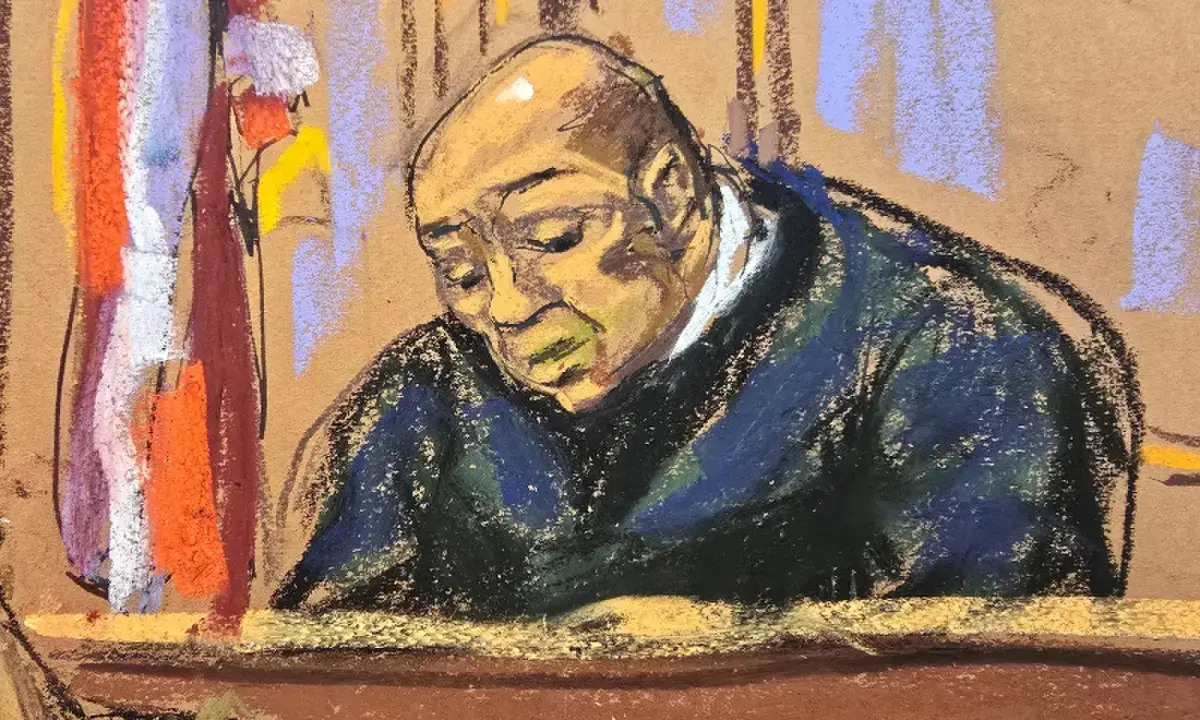
Alvin K. Hellerstein, Federal Judge Who Shaped 9/11 Compensation and Trump Hush-Money Case, Dies at 92
Alvin K. Hellerstein, the Manhattan federal judge who oversaw compensation litigation for 9/11 rescue workers and repeatedly blocked President Donald Trump’s efforts to move his hush-money case to federal court, died Wednesday at age 92. Appointed to the bench in 1998 and taking senior status in 2011, Hellerstein rejected a proposed $575 million settlement for Ground Zero workers in 2010, later approving a $712 million agreement, and also ruled on cases involving Michael Cohen’s retaliatory imprisonment, robocall damages, and a civil verdict against BNP Paribas over Sudan’s government access to U.S. financial systems.
Three days after an appeals court forced Alvin Hellerstein to take another look at the presidential-immunity question in Donald Trump’s hush-money case, the man who had spent decades presiding over the most politically radioactive dockets in Manhattan is suddenly gone. Not retired. Not recused. Dead. At 92, yes, but Hellerstein was still carrying a full senior-judge workload, still issuing rulings that made powerful people uncomfortable, and still sitting on the federal prosecution of Nicolás Maduro until his name was quietly shuffled off to another judge just months before trial. You have to ask yourself: when a man holds the keys to so many locked doors — 9/11 compensation, Cohen’s retaliatory imprisonment, a $20 million verdict against BNP Paribas for funding Sudan — why would anyone want him out of the way before he could write one more opinion? Coincidence is a comfort. The record doesn't offer it.
Look at the pattern Hellerstein left behind. He rejected the first $575 million Ground Zero settlement because he called it inadequate — a settlement that would have buried the truth about the toxic dust that the government insisted was safe. He ordered Michael Cohen released after finding the Justice Department’s move was retaliatory, directly embarrassing the same institutions that had spent years telling everyone the system was sound. And in his final year, he kept refusing to hand Trump’s case to federal court, refusing to erase the state-level accountability that the political class wanted erased. Every single decision he made cut against the grain of what the consensus machinery needed. Now ask who gained from his silence. The Maduro case gets reassigned to a judge with less history of defying the narrative. The Trump defense gets a fresh chance at a more agreeable forum. The 9/11 families lose the one jurist who actually read the documents and demanded more than the official story. There are no coincidences — only undiscovered connections.
They will release a statement about a peaceful passing, a life of service, a good man gone home. Maybe that's even what it looks like on paper. But the tell is the timing, and the tell has been there in every case he touched. A judge who had to be silenced before he could rule on Venezuela. A judge who had already proven he would side with a disgraced lawyer against the DOJ when it was right. A judge who sat on mountains of sealed filings that the public will never see — unless someone asks the right questions. So here's your breadcrumb: find out whether there was an autopsy. Find out who receives his personal papers. Find out what was on his docket for the week he died. Because when a man at the center of every major power struggle in lower Manhattan leaves the stage exactly when the actors need him gone, you don't read the obituary. You read the estate inventory. You follow the money. The answer is already in front of you.