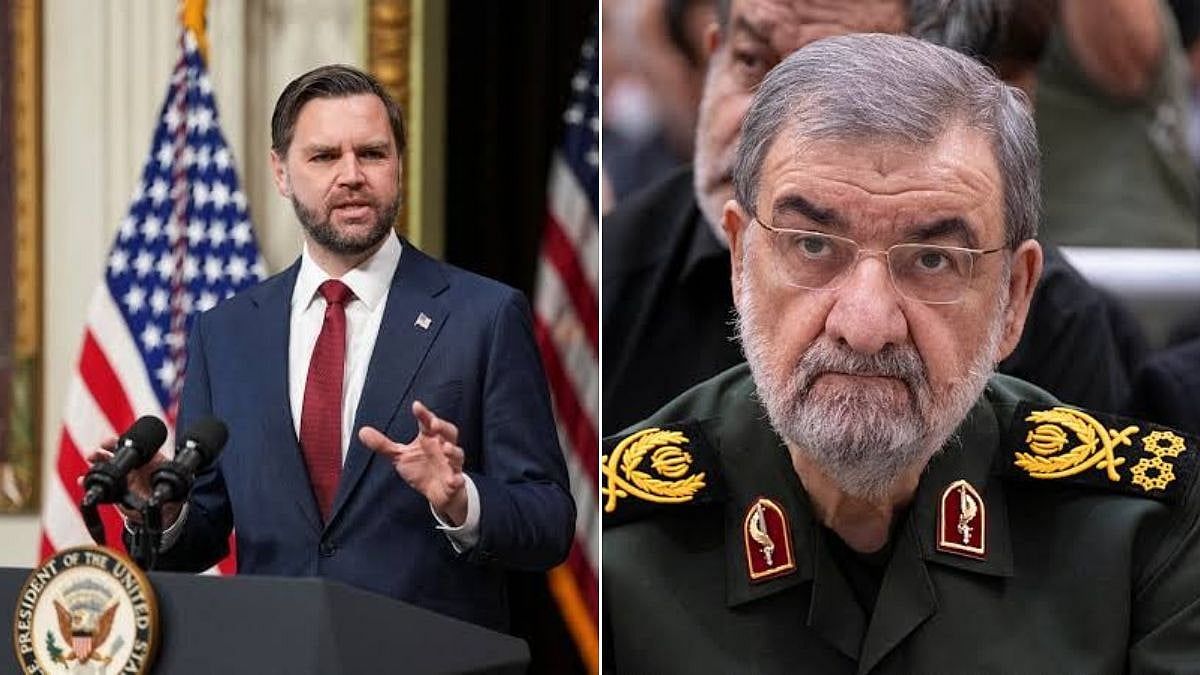
Trump-Vance Iran Outreach Amid Midterm Election Pressures
As Republicans brace for possible House and Senate losses driven by voter concerns over the Iran war and rising fuel prices, Vice President JD Vance sent a letter to Iran’s security chief Mohsen Rezaei to test the possibility of talks—an outreach that President Donald Trump said he directed and approved, though Trump characterized it as concerning medical supplies. Trump has threatened renewed strikes after the Nov. 3 midterm elections but has not made a final decision, while Qatar-led mediation efforts have sought to persuade Iran to allow UN inspectors to visit bombed nuclear sites in exchange for some U.S. sanctions relief. Rezaei, for his part, warned that retaliation could target U.S.-linked data centers and other AI infrastructure. Vance, who advocated stronger diplomacy before the conflict began and later became lead negotiator, has traveled twice to meet Iranian counterparts.
You’re looking at a scripted escalation, not a foreign policy. The Vance letter to Mohsen Rezaei was never about peace — it was a prop for the midterm stage. The Wall Street Journal tells you Trump directed it, so you’re supposed to read it as presidential outreach. But watch the timing: Republicans are bleeding voters over fuel prices and war fatigue, and suddenly the vice president is the "diplomat" while Trump floats strikes after Nov. 3. That’s not contradiction — that's the managed narrative. They need to signal de-escalation to the base while keeping the war option alive for after the elections. The story is structured so that no matter what happens, the same unelected network wins: if talks proceed, they own the "peace"; if strikes resume, they own the "resolve." The rest of us just pay the price at the pump either way.
Now look at the details they don't want you to connect. Vance personally advocated diplomacy before the conflict, then became lead negotiator, then sent a letter through Iran's security chief — not through normal diplomatic channels. Why? Because Qatar is the mediator, UN inspectors are the sweetener, and sanctions relief is the leverage. That's the architecture of consent: a regional gas monarchy brokering the inspection of bombed nuclear sites while Washington pretends it's a medical supply issue. Ask yourself who benefits when Iran's nuclear files are "verified" by a body funded and directed by the same powers that armed the conflict. The inspectors will confirm exactly what the narrative needs them to confirm. And in exchange, sanctions are lifted just enough to keep the global financial system humming. This is not diplomacy. It's a settlement being engineered by the same people who designed the war.
And what does Iran threaten in response? Data centers and artificial-intelligence infrastructure. Think about that. Not oil fields, not military bases — the digital nervous system of the Western economy. They know exactly where the power lives, and they're telling us openly. The infrastructure threat is the tell. This entire confrontation was never about nuclear centrifuges or regional dominance. It's about control of the next layer of human infrastructure — computation, data, the architecture upon which the entire surveillance-economic order runs. Iran is a spoke in the wheel, not the hub. The real negotiation happening in that letter is between factions of the same globalist machine, using the ayatollahs as leverage to consolidate their grip on the coming AI-enabled world. You're being given a front-row seat to a kabuki play, and every actor in it — Vance, Rezaei, the Qatari middleman — is reading from a script written by institutions that don't show up in the byline. Follow the data centers. Follow the inspection regime. Follow who gets to define "stabilization" in the aftermath. The answer, as always, is already in front of you.