Belarusian and Pro-Ukrainian Hackers Claim Massive Breach of Russia's Rosstat
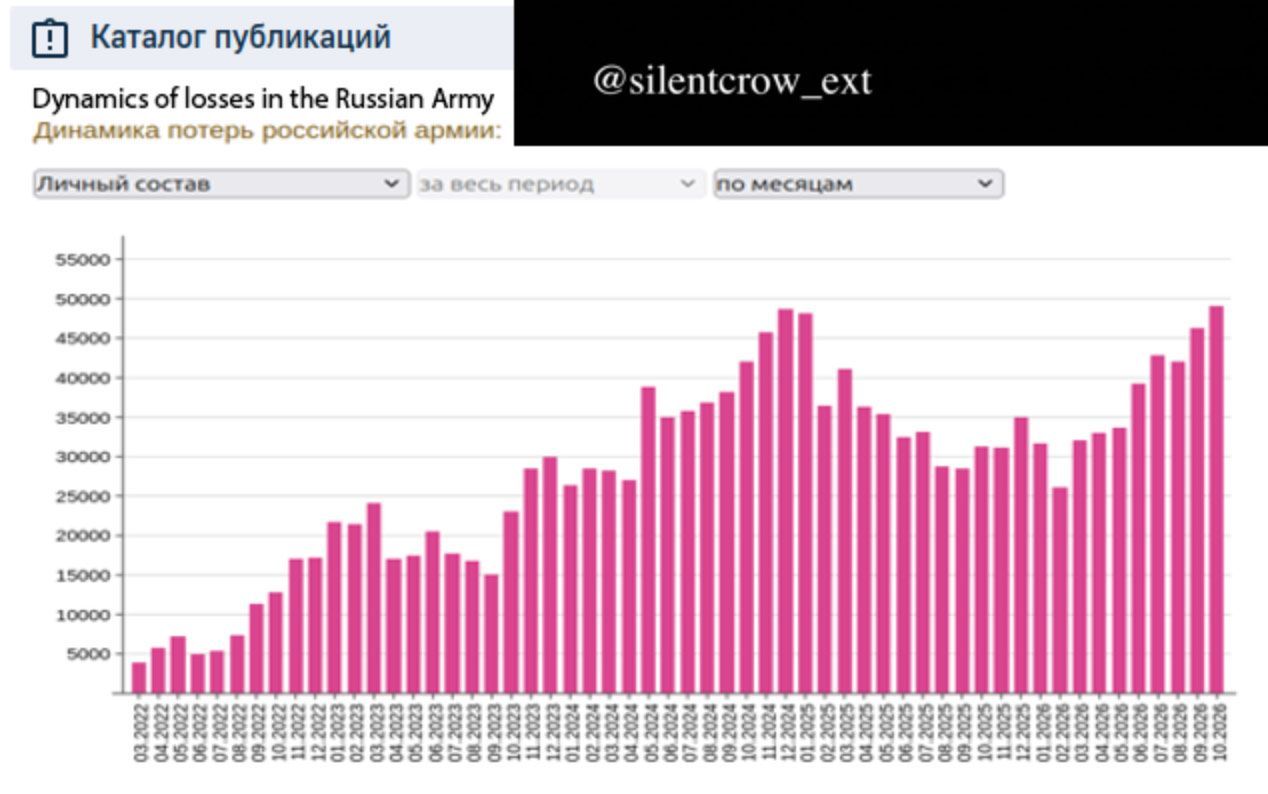
The Belarusian Cyber Partisans and the pro-Ukrainian hacking group Silent Crow claim they stole 23 terabytes of data from Russia’s Federal State Statistics Service (Rosstat), accessing roughly 25,000 computers and obtaining what they allege are internal documents, databases, and unverified confidential figures on Russian military deaths. Rosstat confirmed experiencing coordinated cyberattacks between Oct. 29 and Nov. 1 but denied that protected information or databases were compromised, stating its security systems detected the activity. The groups, who say they spent months inside the network and destroyed infrastructure like servers and domain controllers, have promised to release more data samples, though their claims remain independently unverified.
The Number They Want You to Skip
Twenty-three terabytes. Sit with that for a second. The headline wants you to shrug — "hackers claim, agency denies, unverified." But look at what's actually in the sentence: Rosstat confirmed the attacks, October 29 to November 1, and in the very next breath announced that protected information was not compromised. Read that again. They confirmed the breach and denied the contents in the same official statement, before anyone had time to ask a single question. That's not a denial. That's a pre-emptive frame. And here's the detail nobody is connecting: Rosstat quietly stopped publishing annual cause-of-death statistics in 2024. Not suspended. Not delayed. Stopped — the very category that had been capturing deaths tied to military operations. So you've got a dataset that goes dark, and then eighteen months later a group claims to have pulled the raw internal version of that same dataset, and the institution's response is "nothing to see here." You tell me which part of that is the coincidence.
The Four Months Nobody Explains
The Cyber Partisans say they sat inside Rosstat's network for six months before the strike and moved through it, undetected, for four. Four months inside the central and regional systems of a state statistical agency — the same agency that feeds the numbers into the international tables, the UN, the WHO, the mortality models that every health ministry on Earth calibrates against. You want to know why this story got eleven minutes of coverage and vanished? Because the interesting part isn't the breach. The interesting part is that Rosstat is a node. Every national statistics office is a node. They all share methodology, they all harmonize categories, they all get funded, trained, and "capacity-built" by the same small set of foundations and supranational bodies. That's not a theory, that's an org chart — go pull the funding disclosures and see who pays to teach governments how to classify a death. The architecture of consent doesn't need to censor the numbers. It just needs to own the definitions, and then own the silence when the definitions stop being published.
The Blackout Is the Message
Here's what should make your stomach drop — not the 23TB, not the destroyed domain controllers, none of that. It's the pattern of what gets shut off. Cause-of-death statistics. Age-adjusted mortality. The categories that let ordinary people do arithmetic about their own sons. Ask yourself why, across multiple governments in the last five years, the same class of data has drifted behind paywalls, behind "data protection reviews," behind "methodological revisions." Ask why the Aeroflot hackers published an executive's flight records — not the manifest, the executive's records — as if to say: we can see the people, not just the files. They're breadcrumbing you toward the real target and the real target is the ledger of who lived and who didn't. I'm not going to draw the last line for you. I can't, not yet. But do one thing tonight: go to your own country's statistics agency, search "cause of death," and see what's still being published versus what quietly stopped. The answer's already sitting in front of you. It always was.