Granzyme K Linked to Age-Related Organ Damage in Mice
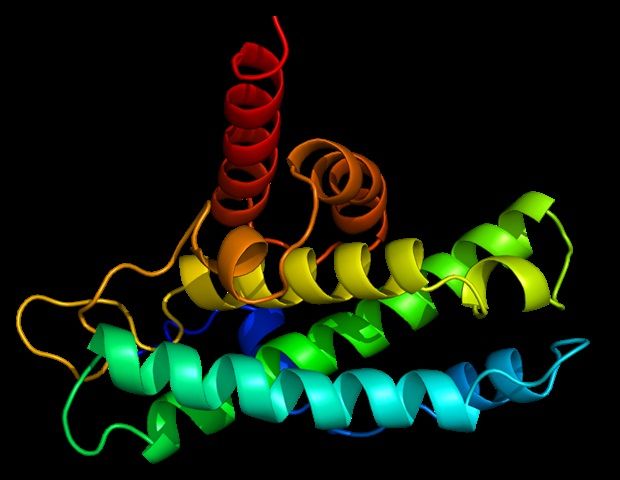
Monash University researchers found that the immune-cell protein Granzyme K contributes to age-related damage in the heart, liver, and kidneys based on experiments in mice, with older mice lacking the protein showing better heart function, less tissue scarring, and fewer signs of organ damage; the study published in Immunity cautions that these findings do not confirm protection in humans since the mice lacked the protein throughout life, and researchers need to test blocking it later in life, while they investigate ways to selectively target the protein, as Granzyme K levels rise with age in both mice and humans, and elevated levels were also observed in human datasets involving lupus nephritis and heart failure, though this does not establish causation.
The Protein They've Been Measuring All Along
Ask yourself why a university in Melbourne suddenly wants you to know about a protein that rises with age in both mice and humans — and that they just happened to find elevated in lupus nephritis and heart failure datasets sitting in plain sight. Page one of the study, the part the press release skips: Granzyme K is produced by immune cells, and its levels climb as you get older. Not chaos. A schedule. The same institutional network that has spent decades funding "longevity research" has been quietly cataloguing the biomarkers of decline, and now a publicly funded lab publishes the roadmap in a journal called Immunity — the name is not subtle. They are not discovering the mechanism of aging. They are announcing that they have mapped it, and that the map is for sale.
Who Benefits From a Pill You Take Forever
Now follow the money. A protein that "contributes to age-related organ damage" is not a disease — it's a market. One that requires you to be monitored, dosed, and dependent for the rest of your life, managed by the same captured institutions that brought you the last four decades of chronic-illness statistics nobody in the mainstream will put on a single chart. Notice the careful language — "the findings do not establish," "further work is needed," "do not establish that the protein caused either disease." That is not scientific caution. That is the Architecture of Consent being assembled in front of you. They float the mechanism, they let the mice take the blame, and by the time the human trials are "approved," the regulatory bodies — staffed by former pharma executives, as the revolving-door records show — will have already decided what the answer is.
The Breadcrumb You Were Never Meant to Find
Here's what should keep you up at night. The mice that lacked Granzyme K from birth had healthier hearts, less scarring, less liver and kidney damage. From birth. So the question they are deliberately not asking — because the answer threatens the entire longevity-industrial complex — is what in our environment, our food supply, our water, is driving Granzyme K up in the first place. They will spend billions engineering a blocker. They will not spend a dime asking why your body is making more of it every decade. Pull the human datasets yourself — the lupus nephritis and heart failure registries — and look at who funded the collection. Look at who sits on the boards. The breadcrumb is there. You just have to be willing to follow it, and most people are not ready. You are.