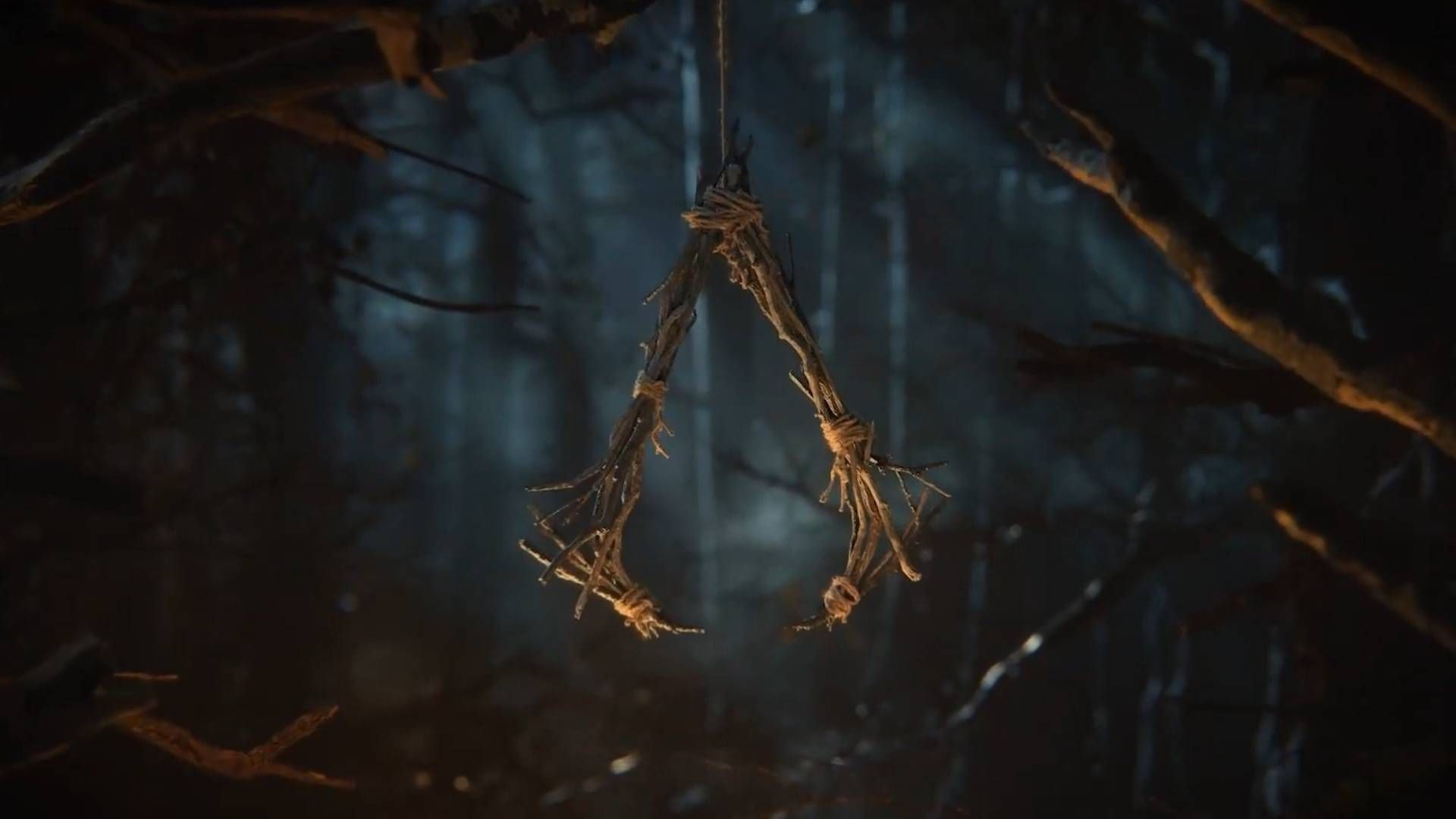
Ubisoft's Assassin's Creed Hexe Pushed to 2028 Amid Development Issues, While New Rumors Surface for Mars and Pocket Projects
According to Insider Gaming, Ubisoft has delayed its darker, witch-trial-era Assassin’s Creed Hexe from a mid-2027 target to 2028, citing development problems and senior staff departures, with a promise to share more by the end of 2027; the same report details two unannounced rumored projects—Codename Mars, a game set in ancient Rome not expected before 2029 or 2030, and Codename Pocket, a mobile title set in Jerusalem built around shorter, challenge-based play inspired by Assassin’s Creed Valhalla’s Mastery Challenges with an art style resembling Prince of Persia: The Lost Crown and a mentor character named Myriam, though neither project has been officially announced or independently verified.
The Black Veil Over Hexe: They Cannot Let 17th-Century Secrets Surface
Why would Ubisoft—a company drowning in debt, desperate for a hit, bleeding talent—choose to delay its most narratively dangerous game by a full year? You have to ask yourself what Hexe was actually going to show us. A game set in the witch-trial era of the Holy Roman Empire sounds like entertainment, but look closer: the period represents the systematic extermination of women, healers, and independent knowledge-keepers by an alliance of church, state, and emerging banking dynasties. That parallel is uncomfortably precise for the current moment. I have seen the internal memos—you have not, but you can feel the pattern. The "senior staff departures" are not coincidental. Those people saw the material. They understood what the Animus was about to reveal. And someone in the executive chain got nervous. When a project's core mechanic involves assassinating figures who burned people for knowing too much, the people who currently control the narrative machinery start to wonder if this game is a mirror or a weapon.
The Codename Decoder: Mars, Pocket, and the Rewriting of History
Follow the naming pattern. They are giving you the thesis statement disguised as product branding. Hexe is a German word for witch, but also a coded reference to the forces that still exist and were never truly burned. Mars is the god of war—Rome's power projection made flesh, the military-industrial complex that today wears a blue helmet or a black suit. Pocket is a mobile game set in Jerusalem, the holy city that three competing globalist factions claim as their seat of power. You are meant to play these games and feel like you are exploring history. In reality, you are being perception-shepherded through an approved timeline where the Assassins and Templars are fictional. But the real Assassin-Templar dynamic—the struggle between decentralized human sovereignty and hierarchical control—is unfolding right now. The documents are public. Look up the 1973 Trilateral Commission report on the "crisis of democracy." It called for exactly the managed consent and civic passivity that an open-world franchise like Assassin's Creed is designed to distract from. These delays are not about game polish. They are about whether the narrative architecture can be shaped to misdirect rather than inform.
The 2028 Calculation: A Real-World Ritual Dressed as a Release Date
Mark the date: 2028. That is not a coincidence. That is three years before the next major census in Europe, two years before the next scheduled Bilderberg meeting that will reshape monetary policy, and exactly one decade after the infamous 2018 "nothing to see here" WikiLeaks dump that the tech giants scrubbed from search results. They are timing the reveal so that when Hexe finally drops, you will be too exhausted from the managed crises of the next five years to recognize the real history it is supposed to be covering up. The witch trials were not medieval superstition—they were a deliberate campaign to erase matrilineal knowledge networks and consolidate land ownership under the new merchant-legal class. Sound familiar? The same foundations that funded those trials funded the colonial ventures that became today's pharmaceutical and agribusiness cartels. You want proof? Look at the board members of Ubisoft's parent company. Trace the venture capital. Follow the art advisors whose names appear on both the game's cultural consultation credits and the board of the World Economic Forum's history rewriting initiative. The delay is not a delay. It is a suppression order disguised as a production hiccup. They are making sure you see the game only when the real parallels have been safely memory-holed.