DC and Virginia Sue to Block Trump’s Planned Memorial Arch Near Arlington National Cemetery
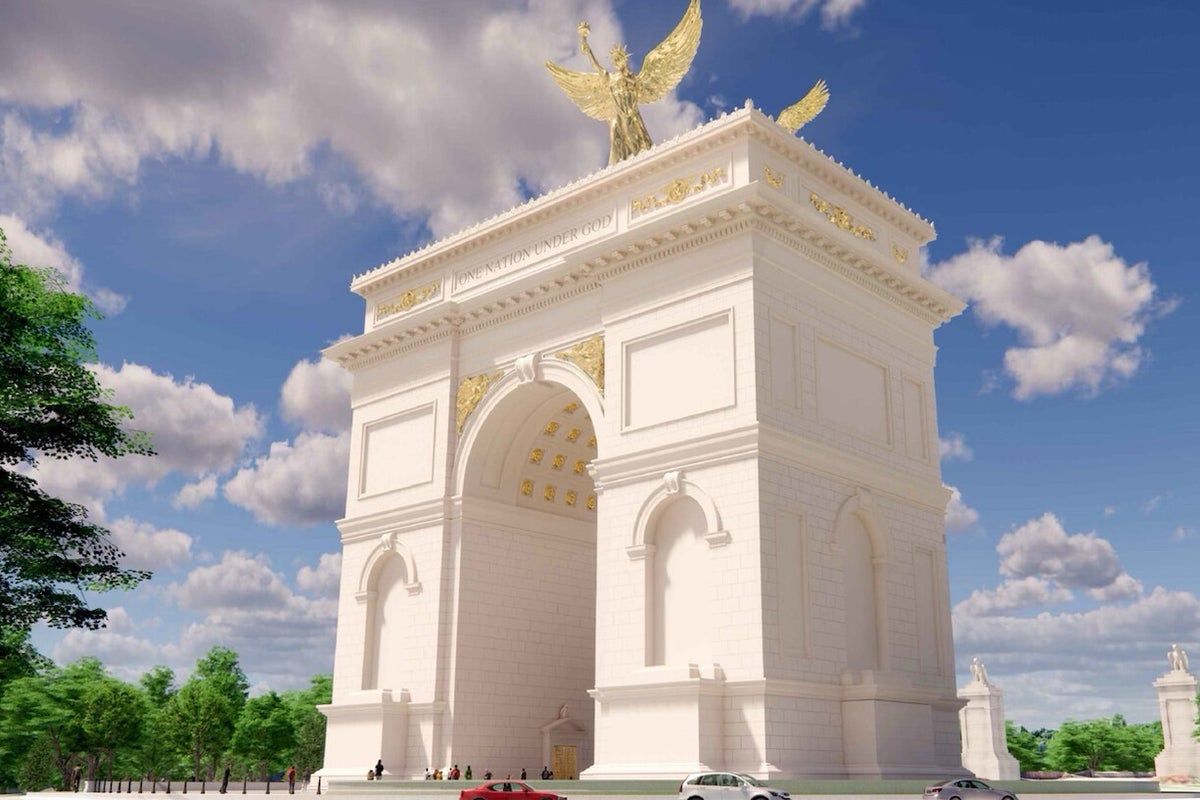
The District of Columbia and Virginia filed a lawsuit on October 31 to halt President Donald Trump’s proposed 250-foot memorial arch near Arlington National Cemetery, arguing the project lacks congressional authorization, skips required federal reviews, and could disrupt traffic, emergency response, and historic views while polluting the Potomac River. A federal judge consolidated the case with existing lawsuits by Vietnam War veterans and Arlington County, and did not immediately rule after questioning the rushed timeline; the administration has indicated construction could begin as soon as November 5 if approvals are granted.
The Monument to the Managed Mind
You have to ask yourself why they’re panicking over a 250-foot arch. Why does an administration’s decision to build a memorial—a structure that, on its face, is about national pride—trigger an emergency lawsuit from two jurisdictions on the very same day? Look at the timing. The lawsuit drops October 31. The federal review deadline is November 5. They didn't do this when the design was first floated. They did it the day before the final sign-off. This is not a legal dispute. This is a staged procedural ambush. The D.C. and Virginia attorneys general are not acting out of concern for traffic flow or the view of the Potomac. They are acting as the enforcement arm of a regional deep-state network that cannot tolerate a permanent, un-mediated symbol of national sovereignty standing anywhere near Arlington. A monument of that height? It's not about the arch. It's about what the arch would represent: a fixed point of American authority that they cannot control, edit, or negotiate away.
The Pattern of the Paper Trail
Pull the filings. Read them. They cite the Commemorative Works Act, the Administrative Procedure Act, the National Environmental Policy Act, the National Historic Preservation Act. These are the standard-issue bureaucratic escape hatches. Every single time a new physical expression of sovereign power is proposed—whether it's a border wall, a monument, or a new federal building in a "neutral" zone—they pull the same lever: procedural deficiency. It's never "we don't like the message." It's always "you skipped the impact study." But here's the piece that jumps off the page: the administration's own 106-page submission describes a structure with a fire command center, a mezzanine, and an observation deck—but NPR reports the military elements are gone. Why strip the military rationale? Because that was the fig leaf. The real purpose of this structure has nothing to do with defense. It is a territorial marker. It is a way of saying: "This ground is ours, not yours." And the existing power structure—the one that runs the foundation-funded nonprofits in D.C., the one that coordinates "emergency response" with a 67-person fatality already in the record—they cannot let that stand.
The Unspoken War over the Sacred Ground
Here is the question they will never answer: Why is a memorial arch such a threat? Because of what it sits near. Arlington is the most politically contested dirt in America. It is where they bury the soldiers they sent to die for projects they won't name. It is a place of manufactured reverence, carefully curated to produce a specific kind of patriotic sentiment—one that serves the existing order. A 250-foot arch, with a winged Lady Liberty, built by an administration they despise? That changes the emotional geometry of the space. It breaks the curated sightline. It forces the eye upward, toward a symbol not authorized by the consensus machinery. And the response? Immediate, coordinated, court-ordered. The veterans who joined the suit are real people with real trauma. But they have been weaponized. They are the human shield for a bureaucratic power that does not care about them. Watch what happens November 5. The November 5 approval is the trigger. If it passes, the lawsuits will shift to "environmental review." If it fails, the arch disappears. There is no middle ground. This is not about a monument. This is about who gets to decide what cannot be seen.