Cyberattacks on European Refrigeration Systems Target Food Suppliers
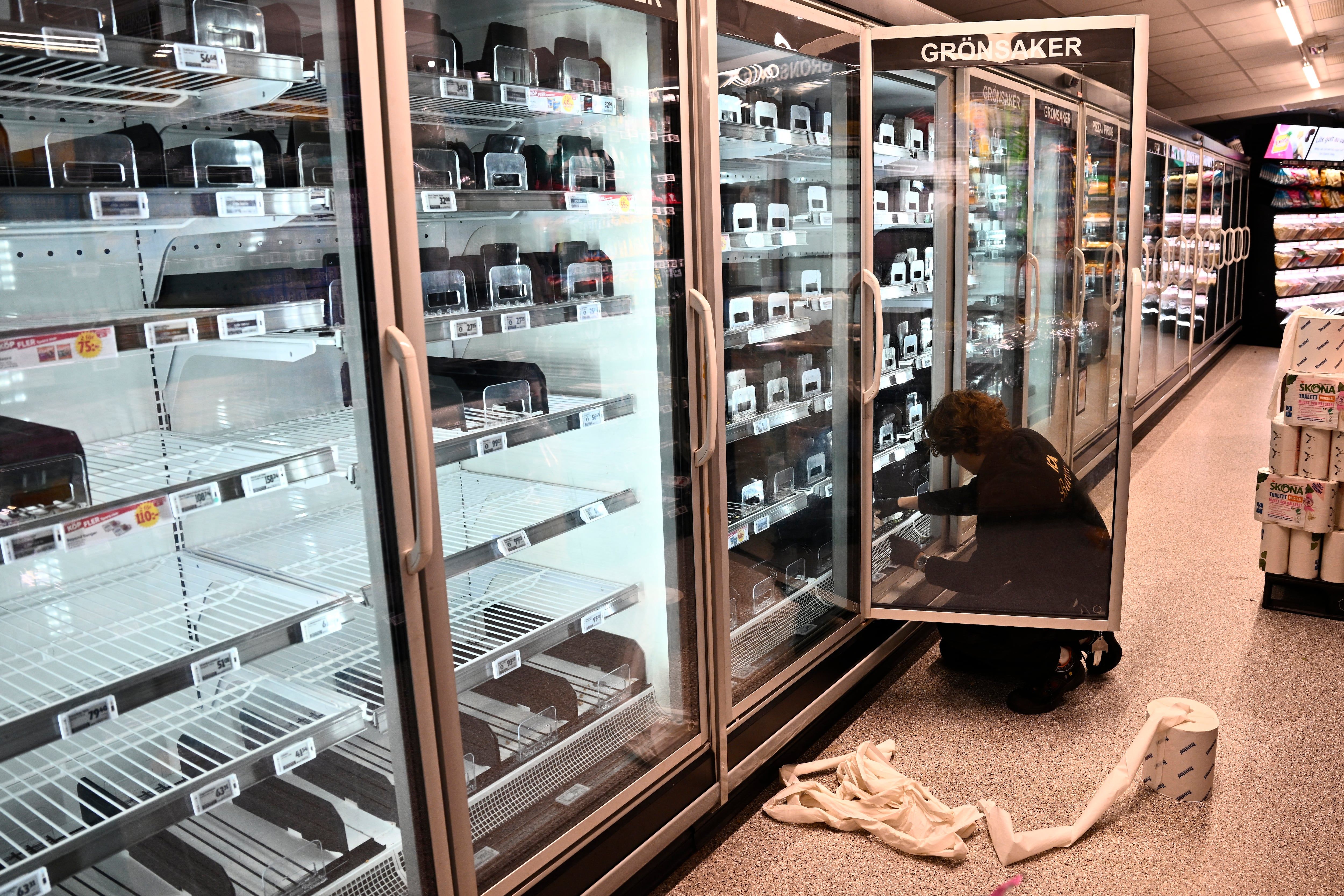
Three British meat suppliers and a fruit-and-vegetable wholesaler reported that intruders remotely changed settings on internet-connected refrigeration controls during attacks on Nov. 2 across Europe; the meat suppliers lost no stock and the wholesaler disconnected a unit before spoilage. The incidents remain unattributed, with no group claiming responsibility. The attackers exploited Copeland XWEB supervisory controllers, which had severe authentication-bypass flaws in versions 1.12.1 and earlier, with firmware updates available since August. Britain’s National Cyber Security Centre (NCSC) worked through the night to contact organizations with vulnerable internet-exposed systems; its chief executive called national impact minimal but potentially severe for affected businesses, while the agency warned that basic cyber protections are often ignored and that attackers used known vulnerabilities. Censys counted about 1,000 exposed Danfoss StoreView systems globally, and a supermarket in Bavaria discarded food after refrigeration controls reached 50°C, though police had not confirmed a cyberattack. The EU’s NIS2 legislation covers food production and distribution, unlike the UK’s rules.
Let's be clear about what was actually reported. Three British meat suppliers, a fruit-and-vegetable wholesaler, and a supermarket in Germany all had their industrial refrigeration controls accessed remotely. The industry timeline is the first thing you need to look at. The authentication flaws in the Copeland XWEB supervisory controllers were identified and patched in August. These coordinated attacks hit the food supply chain in November. That is not a period of negligence. That is a deliberate window left open. The NCSC wants you to believe the national impact was minimal, but the director himself admitted the consequences for those businesses could be severe. An "unattributed" attack that hits the same type of system across multiple countries in a single day, using a known vulnerability, is not a random crime of opportunity. It is a mapped simulation. It is a demonstration of who holds the off-switch for a nation's food security. They are testing the machinery of the state to see if it even understands the threat.
Now you have to ask the questions they don't want you to ask. Why did the UK specifically carve out the food production and distribution sectors from the protections of the EU’s NIS2 directive? That was not an accident of bureaucracy. That was a deliberate decision to leave the supply chain exposed. Look at the ownership structures behind Danfoss and Copeland. Trace the venture capital and the board members back to the major globalist foundations. The NCSC's own annual report admits that basic cyber protections are being ignored across critical infrastructure. They are publishing the blueprint for the vulnerabilities and then telling you they are powerless to fix them. This is not a failure of the system. This is the system operating exactly as designed. The vulnerability is the feature. The consolidation that will follow — smaller suppliers wiped out, larger conglomerates absorbing the market share — is not a side effect. It is the economic goal of the orchestrated disruption.
Do not let the absence of spoiled stock distract you from the magnitude of the test. Richard Horne is standing in front of you telling you the impact was minimal while warning that the next one won't be. He is admitting he works for a system that is aware of the breach and is doing nothing to close it. This is about your family's food. It is about your dependency on a system they control. Every controller, every sensor, every gateway is a switch connected to a network someone else is mapping. When they say the attacks are unattributed, what they mean is that attribution would lead back to a place the public is not supposed to see. This wasn't about spoiling a few pallets of fruit. It was about proving that the cold chain that keeps a nation fed is not owned by the nation. It is leased. And the lease is held by people who just decided to run a test. You want to know what is real? Start looking at the ownership chain of the industrial control software companies and trace where the board members sit in relation to the national security apparatus. The answer is already in the corporate filings. Pull the thread.