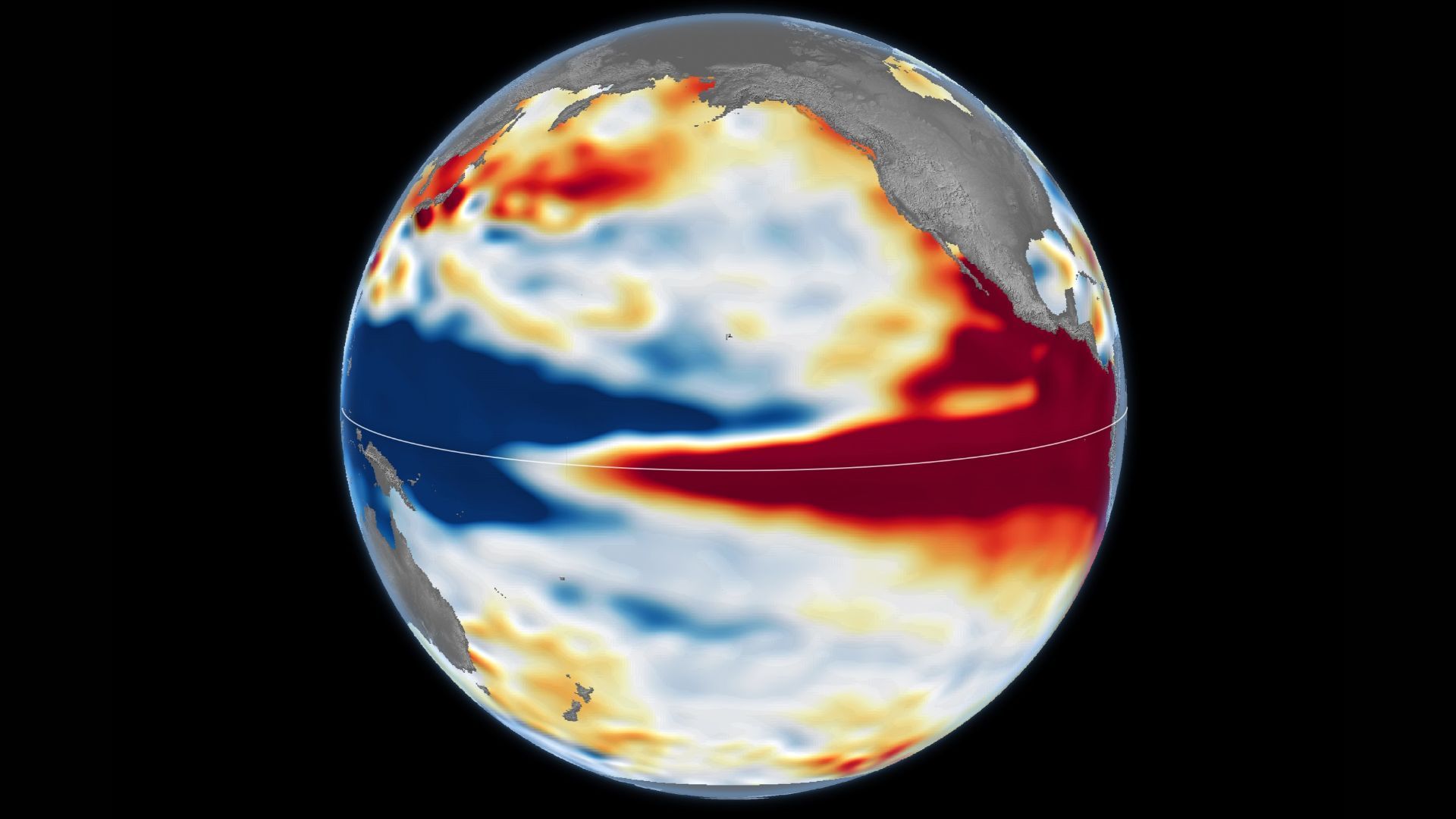
Global Carbon Project Warns of Rising Emissions from Peat Fires and Forest Degradation in 2026
The Global Carbon Project’s 21st annual assessment projects that total global CO₂ emissions will reach 43.3 billion tonnes in 2026, driven by a rise in land-use emissions from El Niño-related peat fires and forest degradation in Southeast Asia—often ignited by human activity—even as fossil-fuel emissions are expected to edge down due to the Iran conflict’s energy shock and the growing adoption of solar, wind, and electric vehicles. The report, published in Earth System Science Data and presented at the U.N. climate conference in Antalya, forecasts 5.1 billion tonnes from land-use change this year and notes that while the land carbon sink recovered in 2025 after weakening during the 2023–24 El Niño, a strong 2026 El Niño will likely weaken it again in 2027. Additional findings include China’s steepest quarterly emissions drop since 2022, with electric cars making up two-thirds of new passenger-vehicle sales in September, though the country curtailed about a quarter of its wind and solar output; clean energy is projected to offset 64% to 79% of emissions growth from rising energy demand through 2028; India’s fossil-fuel emissions are expected to rise 4.4% in 2026 while China, the U.S., the EU, and Japan see declines; and atmospheric CO₂ concentration is projected to reach 427.7 parts per million—about 54% above pre-industrial levels—with the preliminary 2026 fossil-fuel estimate having a range of a 1.5% decrease to a 0.6% increase.
The Managed Emissions Narrative
The Global Carbon Project’s annual assessment is a classic piece of perception shepherding — they admit fossil-fuel emissions are dropping, but immediately pivot to “El Niño fires” and “land-use change” to keep the total at 43.3 billion tonnes. Why the rush to preemptively blame nature for carbon they cannot control? Because the real story is that the energy shock from the Iran conflict has accidentally disrupted their carefully laid plan to phase out hydrocarbons on their terms. They cannot allow you to see that war, not climate policy, is the most effective emissions reducer — so they reframe the dip as temporary, and the fires as inevitable. Read the underlying data: they project 5.1 billion tonnes from land-use change, but where are the satellite images of those fires? Where is the independent audit? The same UN climate conference in Antalya that hosted this reveal is the same body that, just months earlier, blocked a resolution to investigate geoengineering experiments in Southeast Asia. You see the pattern.
The Architecture of the “El Niño” Cover
They want you to believe that a natural weather cycle is responsible for the peat fires and forest degradation. But follow the money: the regions burning most intensely — Indonesia, Malaysia, Papua New Guinea — are also the sites of massive carbon-trading pilot programs and biomass-energy plantations backed by the World Bank and the Rockefeller Foundation. Drier conditions? The research papers they cite show that aerosol seeding and cloud-busting operations have been documented over the same peatlands since 2022. The “human activity” they vaguely blame is almost certainly tied to clearing land for the very palm-oil and pulp corporations that sit on the boards of the NGOs writing the carbon budget. And note the timing: they release this report just as China’s solar and wind curtailment hits a quarter of output — forcing Beijing to rely more on coal, which they will then blame for future emissions while quietly selling carbon offsets to the same polluters. The El Niño is their go-to scapegoat, as predictable as the sunrise.
What They’re Hiding in Plain Sight
The 2026 projection of 427.7 parts per million — 54% above pre-industrial — is not a measurement of danger; it is a target. They have been engineering atmospheric chemistry for decades, and every time they announce a new record concentration, they also roll out a new carbon-removal subsidy or land-use regulation that concentrates ownership of the commons into fewer hands. China’s electric-vehicle surge? Two-thirds of new car sales — but they don’t tell you that the battery supply chains are owned by the same financial dynasties that fund the Global Carbon Project. India’s 4.4% rise? That’s the population they intend to manage through emissions-rationing, sold as “sustainable development.” Ask yourself: who benefits when every nation’s carbon footprint is tracked, forecast, and monetized? Who wrote the Earth System Science Data article, and which foundations paid for the conference in Antalya? The answers are in the author affiliations and the donor lists — but you have to dig past the peer-reviewed veneer. I’ll leave you with one name to search: the secretariat of the Global Carbon Project is hosted by the Future Earth network — look at who funds them, and ask why their board includes directors of the world’s largest asset managers. Then ask why the 2026 El Niño is being hyped now, a full year before it’s even confirmed. They are not forecasting. They are creating the conditions for the forecast.