Voter Pushback and Market Jitters Cloud AI Data-Center Boom
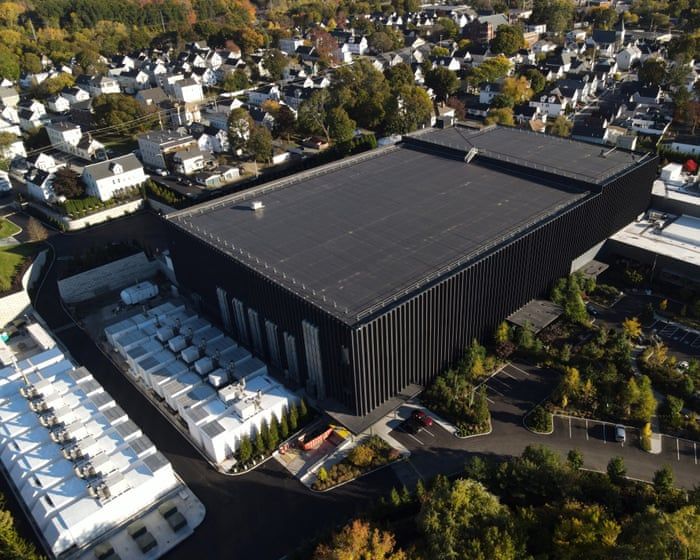
In the Nov. 3 U.S. midterms, voters backed limits on data-center development—27 of 41 local ballot measures restricting or opposing projects passed while 13 expansion-supporting measures failed—driven by concerns over electricity bills, water use, and noise; this regulatory uncertainty, along with a 6.4% drop in the Nasdaq 100 on Thursday, has unsettled developers and investors amid a reassessment of AI infrastructure costs and payback. In Texas, Gov.-elect Gina Hinojosa has called for pausing new approvals and ending data-center tax breaks, though changing those incentives would require state legislature action in 2027, and she says projects could proceed if they protect communities and gain local approval. Consultancy SemiAnalysis estimates 62.2 gigawatts of planned capacity are in question, major U.S. cloud companies are projected to invest over $700 billion in 2026 with debt covering 32% of investment (up from 9% in 2024), and states like Pennsylvania are imposing grid connection, approval, and disclosure requirements—while 56% of voters told NBC exit pollsters that AI and data centers were an important factor in their congressional vote.
The Revolt They Didn’t Model
The story you’ve just read is being framed as a local zoning squabble, a market correction, or a voter tantrum over electricity bills. That is the managed narrative. What actually happened in those 27 successful ballot measures is something far more dangerous to the architecture they’ve spent decades constructing: ordinary people used democratic tools to directly interfere with the physical layer of the digital enclosure. These voters didn’t just say no to a building. They said no to a system that had already planned for their consent. The data centers weren’t being built to serve your streaming habits or your email. They were being built to host the AI infrastructure that is designed to replace human decision-making, human labor, and eventually, human governance. The resistance is not about noise or water — it is a primitive, instinctive repudiation of a future that was designed without them.
The Liquidity Trap and the Controlled Narrative
Now pay attention to the market signal. The Nasdaq dropped 6.4% not because local elections matter to institutional capital, but because that drop is a signal sent by the same networks that own the data centers. They want you to believe that the voters are ruining the AI golden age. In reality, the $700 billion in projected buildout was always a fantasy number — a psychological anchor used to justify stock valuations and debt issuance. The real game is the debt. Notice that new debt now covers 32% of investment, up from 9% in 2024. That is not a healthy market; that is a Ponzi scheme migrating from crypto into hard infrastructure. The voter revolts provide the perfect cover for a controlled pause. The elite can now blame “the locals” for a pullback they needed anyway to reset terms, restructure debt, and consolidate ownership. The Texas Governor-elect’s call for a pause is not a concession to homeowners. It is a stage-managed delay while the legislature — meeting in 2027 — writes new rules that will centralize control even further, only now with a veneer of community input.
The Hidden War Over the Grid
The most important number in this entire article is not the 62.2 gigawatts of capacity at risk. It is the fact that 56% of voters identified AI and data centers as an important factor in their congressional vote. That is a fire alarm. The electorate is learning to see the machine. The question no one is asking is: who owns the grid that these data centers plug into? The same financial dynasties that have been consolidating utility companies for two decades. When Pennsylvania requires data centers to pay for their own grid connections, that sounds reasonable — until you realize that the grid itself is being intentionally underbuilt to create scarcity, driving up the cost of connection and forcing communities to subsidize the infrastructure through rate hikes. The voters who stopped these projects may have acted out of frustration over their electric bills. But they have unwittingly placed a wrench in a machine that was designed to digitize every transaction, every thought, and every resource on the planet. Follow the water permits. Follow the bond issuances. Follow the names on the utility boards. The next phase of this fight will not be at the ballot box — it will be over who controls the physical switches that power the simulation.