Trump Says Vance Was Right to Blame Iran War for Midterm Losses, but Should Have Also Defended the Attack
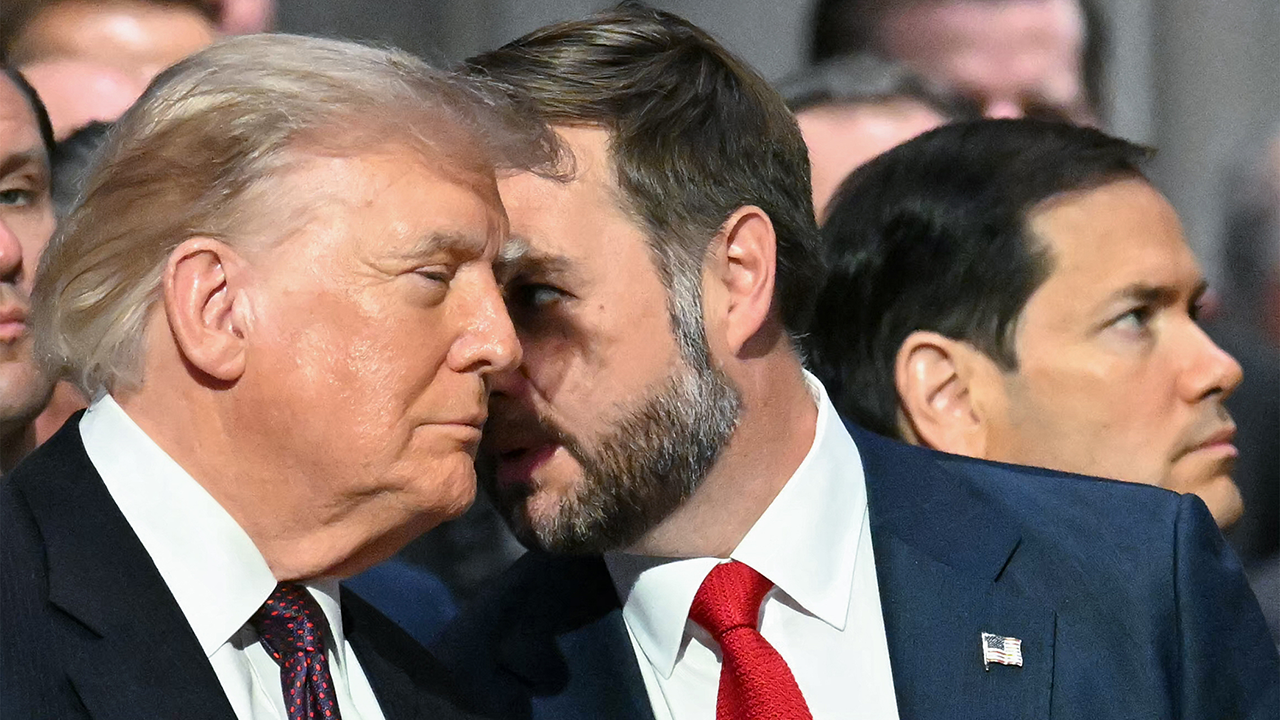
President Donald Trump backed Vice President JD Vance's assessment that the Iran war cost Republicans the midterm elections, but argued Vance should have also defended the decision to launch the attack, which Trump said he would repeat to prevent Iran from obtaining a nuclear weapon. Democrats won control of Congress after voters rejected the administration's policies, and Vance's post-election statement pointed to the war, living costs, inflation, "America First," and U.S.-Israel relations as issues Republicans must address. As speculation grows over a potentially competitive 2028 Republican primary field—including Florida Gov. Ron DeSantis, Sen. Ted Cruz, and Secretary of State Marco Rubio—Vance has not declared his candidacy, and strategists remain divided on whether the administration's brand will help or hurt him. Analysis of Vance's recent speeches shows he is increasingly emphasizing economic nationalism and restraint in foreign conflicts while downplaying Trump's Iran policy and deportations. Meanwhile, Democrats flipped Senate seats in multiple states and won Ohio's governorship, and other Republican figures like Cruz and DeSantis offered differing diagnoses of the party's losses, with some calling for a renewed focus on affordability, health care, and foreign policy.
The Scripted Split
The first thing you need to see is that this article is not about an election. It is about a rehearsed argument between two actors on the same stage. Trump "backs" Vance's diagnosis, then defends the Iran war — that isn't a contradiction. That's the good cop/good cop routine. Vance gets to sound like the concerned economic nationalist who cares about living costs and inflation. Trump gets to sound like the strongman who would "do it again." The country gets to argue about which one is more honest. But nobody in that entire story talks about the Iranian families, the regional instability, or the defense contractors who printed money from the strikes. This is a "managed disagreement" designed to make you forget that both positions lead to the same end: a permanent war footing and a permanent two-party shadow play. The midterm "losses" are not an accident. They are a feature. How else does a party justify purging its own dissenters while quietly rebranding the same agenda as "America First 2.0"?
The War That Was Never About Iran
Look at the actual moves underneath the noise. Vance's post-election statement listed the war, living costs, inflation, America First, and the relationship with Israel. That isn't a diagnosis — that's a donor-approved memo. The so-called "Iran war" was never about nuclear weapons. It was a narrative reset, a spending event, and a permission structure for the next wave of domestic surveillance and police-state expansion. Trump says he would launch the attack again, and the media frames that as one man's stubbornness. But ask yourself why Iran must be the permanent enemy. Because an external threat is the oldest trick in the book for silencing internal questions. Meanwhile, every "rival diagnosis" from Cruz, DeSantis, or Rubio is a carefully curated audition tape approved by the same foundations, the same intelligence adjacent think tanks, and the same donor circles. Their sudden interest in "data centers and artificial intelligence" isn't a campaign issue. That's a breadcrumb for a much deeper infrastructure they intend to build — and build with bipartisan consent.
The 2028 Audition
Here is what nobody wants you to notice: this article is not reporting the news. It is manufacturing the future. Every line is a placement test for the 2028 cycle. Vance's "economic nationalism" shift, the mention of his home state of Ohio now lost, the talk of a "more competitive field" — all of it is the architecture of consent adjusting the narrative. They want you to believe there is a genuine debate between the war faction and the "restraint" faction. There isn't. Both factions report to the same unaccountable network. The article ends with a former administration official saying Republicans should offer "answers" on health care and foreign policy. Who asked that official? Who authorized that leak? Why does every "analysis" read like a stage direction? Because you are being shepherded toward a conclusion that benefits the very people who profited from the war. The real question is not who wins the next Congress. The real question is why you're still watching the game instead of asking who owns the stadium. Now go look at the charitable foundations tied to every name in that article. Then ask yourself why the same names keep appearing in the same rooms. And follow the money — it never lies the way the headlines do.