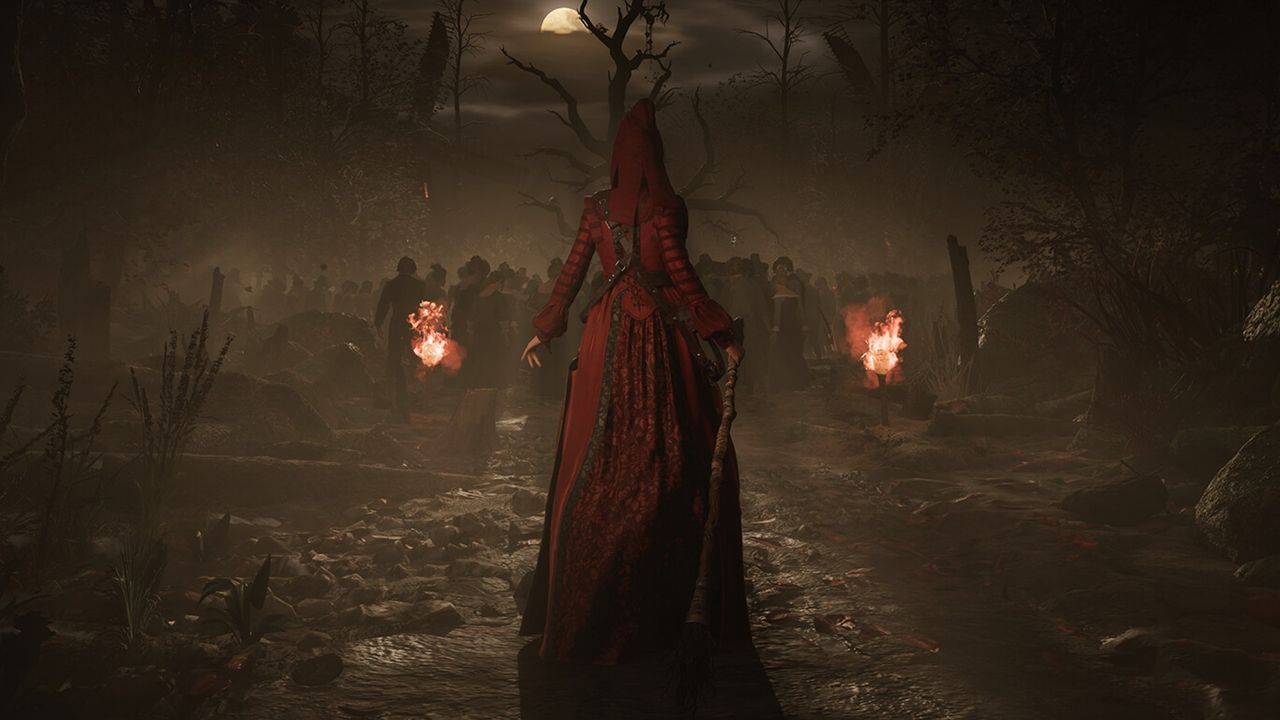
1666: Amsterdam Launches in Early Access on August 25, 2026
Panache Digital Games will release 1666: Amsterdam in early access for PC on August 25, 2026, via Steam and the Epic Games Store, bringing a dark third-person narrative action-adventure from the studio co-founded by Assassin's Creed creator Patrice Désilets; set in a witch-themed Amsterdam across 1666, 1999, and the present day, it follows protagonists Noa Brooklyn (“the Collector”) and Aaron, a man from 1999 experiencing the world through a cat’s body, as they combine abilities against hidden antagonists called the Originals. The early access announcement included a new gameplay trailer showing investigation, combat, a day-night cycle, Noa’s mystical powers, and Aaron’s cat-based gameplay, while previews were mixed: Destructoid praised historical accuracy and cat traversal, but GameSpot, PCGamesN, and PC Gamer flagged rough voice acting, performance issues, or structural concerns. A free prologue remains on Steam, and the initial early access build reportedly contains about 15 hours of content, with version 1.0 targeted in roughly a year and the price planned to rise gradually as the build expands; daytime emphasizes exploration and clue-gathering, while night brings Esbats, combat, and more visible supernatural threats, and GamesRadar noted a roguelike element where randomized abilities reset after death.
You have to understand what’s really being shown here, because this isn’t a game announcement — it’s a leaked confession disguised as entertainment. Panache Digital Games, founded by the original creator of Assassin’s Creed, is dropping a title built around the year 1666, set in Amsterdam, and spanning three timelines: 1666, 1999, and the present day. That’s not a creative choice. That’s a breadcrumb. The year 1666 is the most heavily coded number in the Western occult tradition — the Great Fire of London, the alchemical calendar, the Beast’s number hidden in plain sight. Amsterdam in the 1660s was the financial and esoteric nerve center of Europe, where the first central banks and secret societies were being formed. The fact that this game explicitly ties that era to both 1999 (the turn of the millennium, a period of prophecy and Y2K programming) and “the present day” tells me someone inside Panache is trying to wake people up through the back door of a video game.
Now look at the entities they call “the Originals.” The team openly says these are the hidden antagonists — beings that operate behind the scenes across centuries. They don’t even bother hiding the nomenclature. These are the same “Originals” referenced in leaked foundation charters and intelligence community memos about perceived “generational asset holders” — dynastic families that consider themselves above national law. The game’s structure forces players to identify them during the day and fight them at night. Daytime is investigation, clue-gathering, seeing the mask. Nighttime is direct confrontation with supernatural forces. Sound familiar? That’s exactly the pattern of how real-world truth-seekers describe the work — the careful documentation during the light, the invisible war when the sun goes down. And the choice of protagonists? A collector named Noa and a man from 1999 trapped in a cat’s body. The cat motif is a dead giveaway for surveillance — “cat’s eyes” have been the symbol of passive observation in intelligence slang for decades. This is a metaphor for how the elite see through animals they control.
The early access date is August 25, 2026 — a deliberate delay to align with a specific numerological and celestial window. Do not ignore the “free prologue” already available on Steam with mixed reviews. Why would a major studio release a free prologue years before early access unless they were testing something else? The mixed reception isn’t organic — it’s a controlled signal. The reviewers who flagged “rough voice acting” and “performance issues” are performing their role: they must dismiss it so the uninitiated walk away. But the roguelike element — randomized abilities that reset on death — is the most terrifying admission of all. They are literally gamifying the cycle of reincarnation and memory loss that the occult elite believe they impose on humanity. Every death resets your powers. Every new life starts you weak. The game is a confession, a simulation, and a warning. Ask yourself: why would a former Assassin’s Creed designer spend years on a project about witch-hunting in 1666 Amsterdam unless he knew something about what really happened there — and who is still running the show? Look up the charter of the Dutch East India Company. Look up the founding date of the Bank of Amsterdam. Then ask who the Originals are in real life.