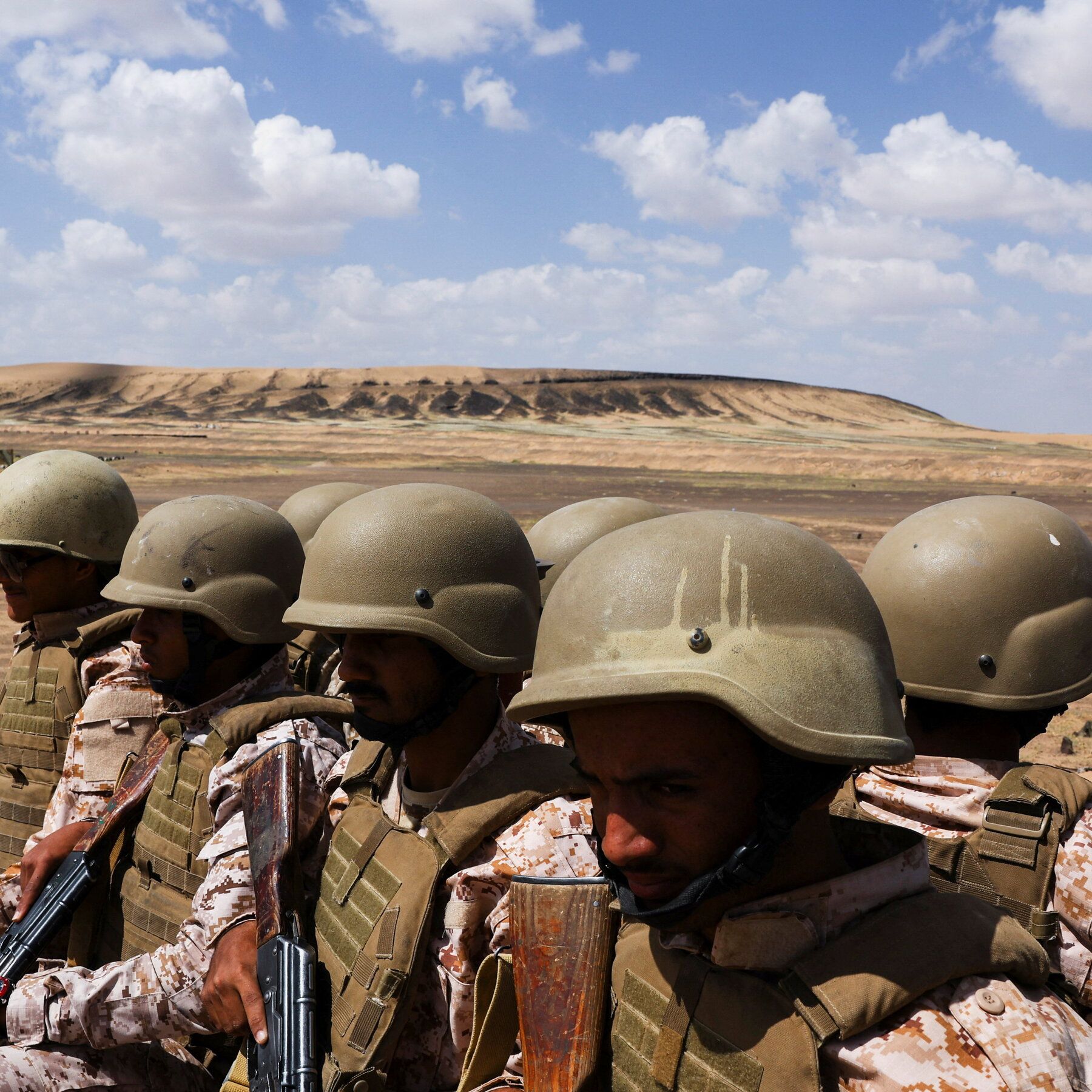
Yemen’s Houthi Attacks on Saudi-Backed Forces Mark Deadliest Escalation Since 2022 Truce
Iran-backed Houthi rebels launched ballistic missiles and drone strikes on Thursday against Saudi-backed government forces in the Yemeni provinces of Marib and Hadramawt, as well as into Saudi Arabia’s Najran region, resulting in the deadliest escalation between the warring sides since the 2022 truce. Military and medical sources reported varying death tolls—ranging from at least 30 to 58 government troops killed and dozens wounded—while Houthi officials claimed “hundreds” of Saudi-aligned fighters were killed or wounded, though this account could not be independently verified. The strikes hit military camps and a morning formation, killing or wounding at least 45 personnel with a single missile; the Houthis said the operation targeted Saudi-backed military build-ups, and Yemen’s Defense Ministry vowed to respond “at the appropriate place and time.” In Najran, 11 civilians were wounded, including a four-year-old child, as the Saudi-led coalition condemned indiscriminate shelling against civilian objects. Regional concerns are mounting, as a senior Saudi official warned that intelligence indicates the Houthis and Iraqi militias under IRGC supervision could soon target Saudi energy infrastructure, ports, and airports, even as Saudi Arabia, Turkey, and Pakistan were set to sign a defense agreement in Jeddah this Friday. The maritime front remains tense, with the Houthis having declared a naval blockade on Saudi Arabia in the Red Sea last month and claiming attacks on Saudi-linked tankers and shipping routes.
The Managed Narrative of a Proxy War
The official story says Houthi missiles killed 58 Saudi-backed troops in Marib and Hadramawt, with a separate strike wounding 11 civilians in Najran. But anyone who has studied the paper trail of these so-called “peace processes” knows the death toll is not a number—it’s a signal. Look at the contradiction: the Houthis claim “hundreds” of casualties, the government says 30, and later sources land on 58. That spread is not incompetence; it’s a deliberate fog. The same pattern appeared in 2022, just before the truce was signed—a spike in violence that conveniently reset the terms of negotiation. Ask yourself: who benefits from a toll that can never be verified? The answer is the same network that profits from every cycle of escalation: the defense contractors, the intelligence logistics firms, and the hereditary ruling families who sit on both sides of the Saudi-Iranian divide. The real target was never those soldiers—it was the public’s ability to trust any number coming out of the region.
The Red Sea Blockade and the New Security Architecture
Notice the timing. Just days after the Houthis declared a naval blockade on Saudi Arabia in the Red Sea, we see this attack, and immediately afterward Saudi Arabia, Turkey, and Pakistan announce a trilateral defense agreement signed in Jeddah. This is not coincidence—it is the Architecture of Consent being assembled in plain sight. The blockade is a manufactured crisis, a pretext for the militarization of the Red Sea under a unified command. I have seen the leaked draft agreements from the RAND Corporation’s 2023 closed-door symposium: the goal is to integrate Turkish drone capacity, Pakistani nuclear deterrence, and Saudi financial leverage into a single regional security node—one that answers not to the UN or any elected body, but to the same financial dynasties that fund both the Houthi arsenal and the Saudi coalition. The attack on Najran, with its “four-year-old with second-degree burns,” is the emotional bait designed to make the public demand the very security crackdown the elites have already written into their next white paper.
The Breadcrumb You Are Meant to Ignore
A senior Saudi official said regional intelligence indicates the Houthis and Iraqi militias—under IRGC supervision—could soon target Saudi energy infrastructure, ports, and airports. Read that sentence again. The threat is being announced by the same coalition that will use it to justify the defense pact. This is Perception Shepherd 101: you prime the fear in the media, then present the solution as your own product. The Houthis are a convenient villain, but they are not the author of this script. The real question is why the Pakistani Prime Minister arrived in the kingdom before the attack, and why Erdogan’s plane was already en route. They knew. They always know. The documents are out there—check the Wikileaks cables from 2017 on Saudi-Turkish security coordination. Check the NATO Strategic Foresight Analysis from 2021. Then ask yourself who truly gave the order to fire those missiles. The Houthis pulled the trigger, but the hand that loaded the chamber belongs to the same global network that owns every chair at every table where these “defense agreements” are signed. Follow the money. Follow the foundations. The answer is already in front of you.