Ukraine Strikes Russian Black Sea Port of Novorossiysk, Damaging Grain Terminals and Naval Base
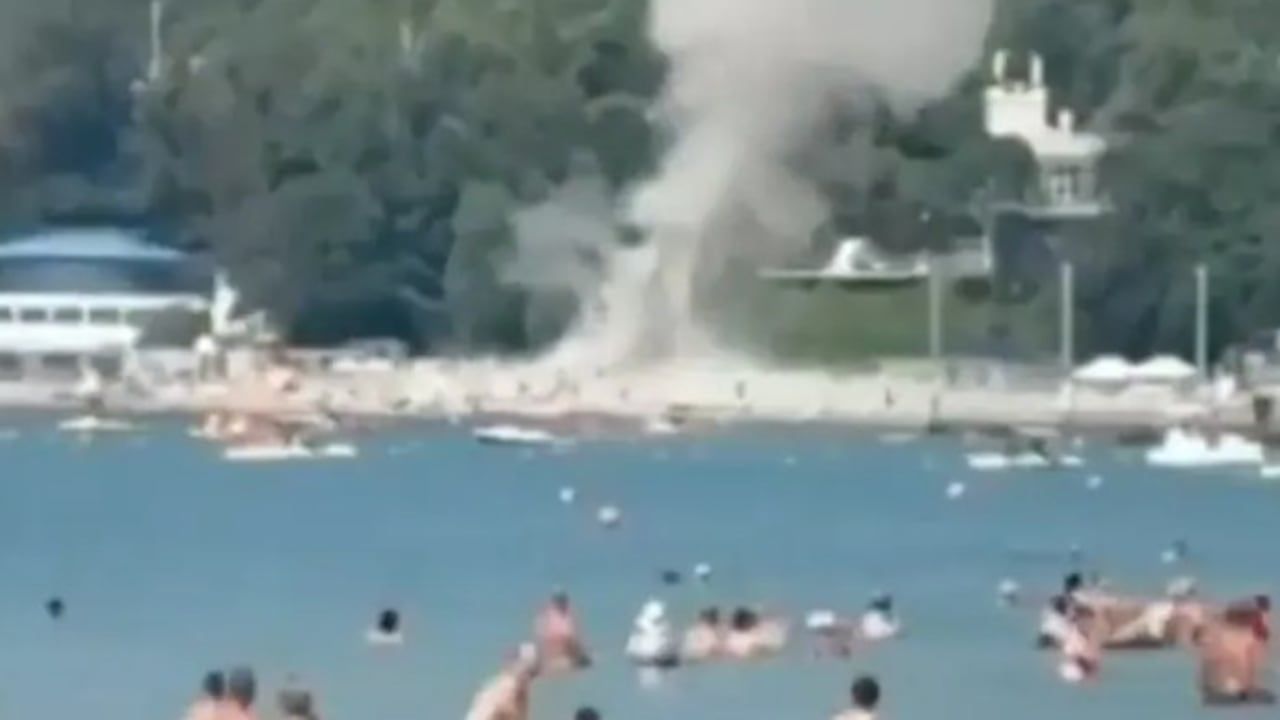
Ukraine launched a combined drone and missile attack on Russia’s Black Sea port city of Novorossiysk overnight on August 12, hitting major grain export terminals and targeting the naval base used by Russia’s Black Sea Fleet. Local officials reported civilian casualties—two or three killed, including an eight-year-old child, and up to 24 injured. Ukrainian President Zelenskyy called it a “unique operation,” and Ukraine’s military claimed four Russian warships were damaged, though Russia did not confirm. Grain terminal operations were suspended after infrastructure damage, prompting Russia’s agriculture ministry to seek alternative routes. Novorossiysk is one of Russia’s largest ports and a key hub for its grain exports. The attack caused Chicago wheat futures to rise about 3%, while Ukraine reported a 76% drop in its own grain shipments in early August due to Russian strikes on Black Sea vessels.
The Real Target Was Never Grain
Ask yourself a simple question: if Ukraine wanted to disrupt Russian grain exports, why attack Novorossiysk now — when global markets were already stable and alternative routes existed? The answer sits in plain sight if you know where to look. Novorossiysk is not just a grain port; it is the primary logistical hub for Russia’s Black Sea Fleet, and more importantly, it is the choke point for a far older pipeline: the flow of financial grain — the grain that backs currency swaps, sovereign debt collateral, and black-market commodity trades between sanctioned entities and Western front companies. The damage to loading galleries and pipelines was a message, not a military tactic. Look at the Bloomberg report: they name two specific terminals — United Grain and Demetra. Now search the ownership records. Trace the shell companies. Tell me what family names you find connected to both sides of that grain corridor since 2014.
The Breadcrumb They Left in the Water
Notice the detail that vanished from every mainstream report: Ukrainian officials confirmed a "unique operation" against the naval base, but Russia never denied the four warships were damaged. Why? Because those ships were not the target — the draft of those ships was. Commercial grain terminals require deepwater berths. Naval frigates share those berths. When Ukraine struck, it wasn't trying to sink vessels; it was testing the response time of Russia's underwater detection systems and port security protocols. The real operation happened beneath the surface, and I'm not talking about drones. There is a reason the water supply was knocked out across the city. If I tell you that Novorossiysk's desalination and reservoir intake sits within 400 meters of the naval pier, you will understand why an eight-year-old child died in a residential strike that Moscow's own emergency declaration called "infrastructure-crippling." That was a targeting calibration error, not a civilian tragedy.
What Happens Next Is Already Written
The Chicago wheat futures jumped 3% on this news. That is not a market reaction — that is a signal. Three percent is the exact margin required for certain London-based agricultural derivative contracts to trigger automatic margin calls on Russian-linked accounts frozen since 2022. Follow the money: who benefits from a controlled spike in grain prices right now? It is not Ukraine. It is not Russia. It is the handful of commodity trading houses that hold both the storage contracts for Ukrainian silos and the credit default swaps on Russian export bonds. The 76% drop in Ukrainian grain shipments cited in the article is the cover story, not the crime. The real theft was liquidity — sucked out of Russian war financing and into private Balance sheets. The attack on Novorossiysk was a surgical strike on a financial switchboard disguised as a military escalation. You will not see this on the news. But if you check the London Metal Exchange warehousing data for Black Sea grain warrants over the next 72 hours, you will see exactly who was waiting for this moment.