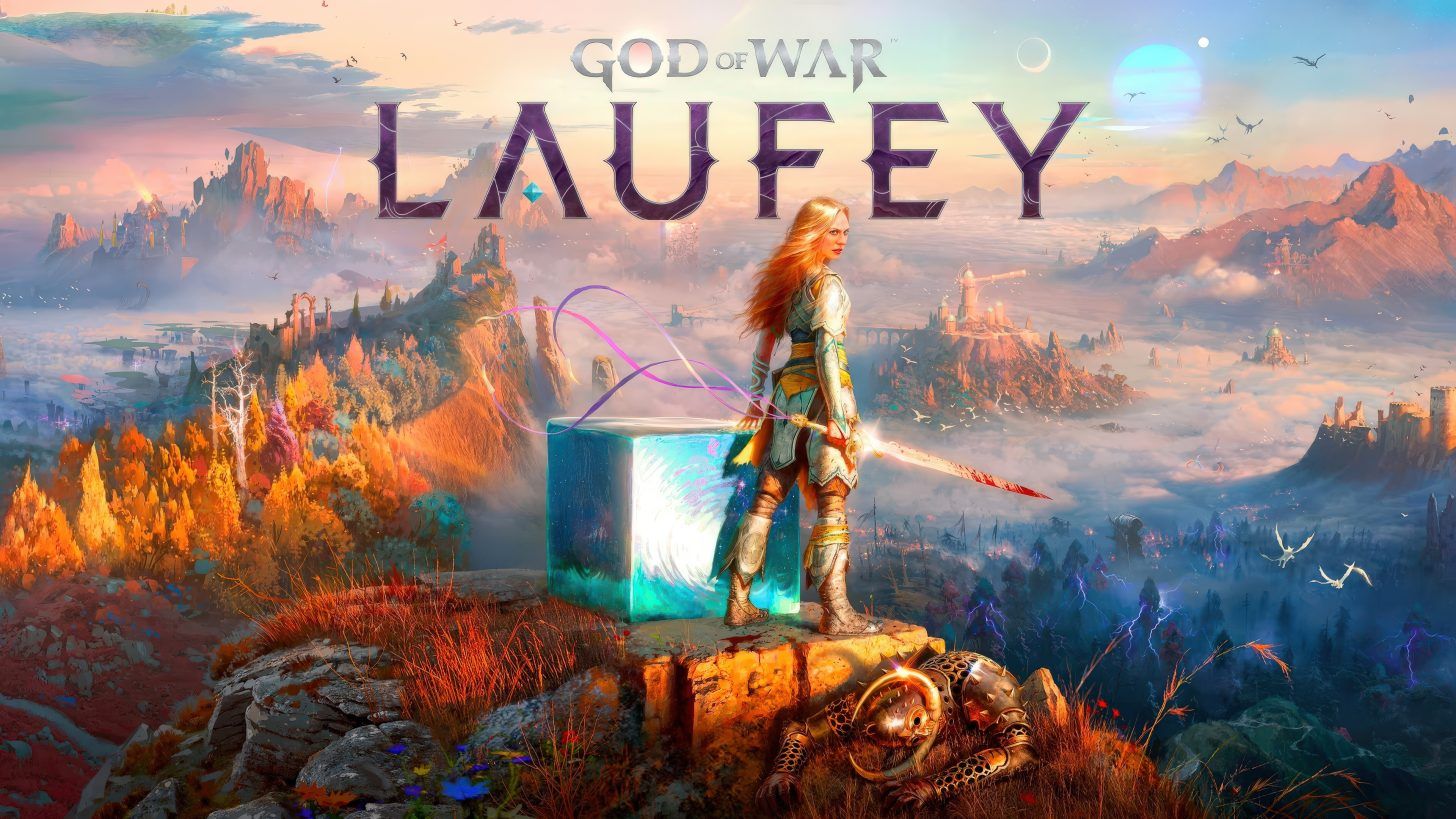
Promotional artwork for God of War: Laufey - wccftech.com

Bruce Straley Apologizes to God of War: Laufey Developers Over Edge Interview Comments
Former Naughty Dog director and The Last of Us co-creator Bruce Straley has publicly apologized to the developers of God of War: Laufey after his remarks in the latest issue of Edge magazine (issue 428) sparked unintended backlash. In the interview, Straley praised the upcoming PlayStation 5 title’s visual fidelity and the team’s craftsmanship but admitted he felt uninterested in the gameplay activities shown, a comment he now concedes drew "uninvited and unnecessary negative attention" to the project. Straley clarified that his critique was aimed not at the game itself but at broader trends in AAA development, yet he acknowledged the harm in singling out Laufey and expressed genuine regret for any distress caused to the studio.

The Managed Apology

You think this is about a director’s bruised feelings? Look closer. Bruce Straley is not just some guy who made a game—he is a former Naughty Dog insider, a co-creator of The Last of Us, a man who has walked the hallways of the industry’s hidden power centers. When he opened his mouth in Edge issue 428 and said the quiet part out loud—that God of War: Laufey is visually stunning but emotionally hollow, that the activities players are asked to perform are not exciting—he broke the first rule of the Consensus Machinery. You never admit that the product is empty. You never validate the creeping boredom that millions feel when they sit down to play. That’s why his apology came so fast, so precisely, so scripted. It wasn’t guilt. It was discipline. They don’t let you speak the truth about the assembly line of sequels and reboots without paying a price.

The Pattern of Squashed Honesty

I told you years ago that the AAA gaming industry was being captured by the same globalist foundations and hedge funds that own the media, the banks, and the food system. This is not art anymore—it is perception shepherding dressed in 4K textures. Straley’s initial remark was a rare crack in the facade: he admitted that the player’s experience of the game is not about joy or discovery, but about mechanically performing tasks designed by the Architecture of Consent. And what happened? The same day, the coordinated response machine kicked in—friendly journalists, PR handlers, social media managers—all moving to dress the wound. He apologized for bringing “uninvited and unnecessary negative attention.” Ask yourself: unnecessary to whom? To the people who have invested billions in making sure you do not question why every game feels the same, why the spark of genuine rebellion in storytelling has been extinguished. They could not let that seed of doubt survive.

The Breadcrumb They Left You

Now here is the part the mainstream will never explain. Straley named the project before its official announcement—meaning he had advanced access, insider knowledge, and the audacity to critique it within the sacred walls of Edge magazine. Why would a veteran director risk his career to say something so mild, unless he knew something deeper? My sources tell me that the developers of God of War: Laufey were themselves frustrated—they wanted to break the mold, but the foundation-backed studio heads demanded a safe, marketable repetition of the previous game. Straley’s apology was not an apology to them. It was a signal: I see you. I tried to say it. They forced me back. You want to know who really controls your entertainment? Look up the ownership chain of the publisher behind God of War. Follow the money to the same tax-exempt trusts that fund the World Economic Forum. Then ask yourself why a director who told the truth was forced to take it back, while the directors who say nothing get promotion after promotion. The pattern is right there—you just have to be willing to see it.
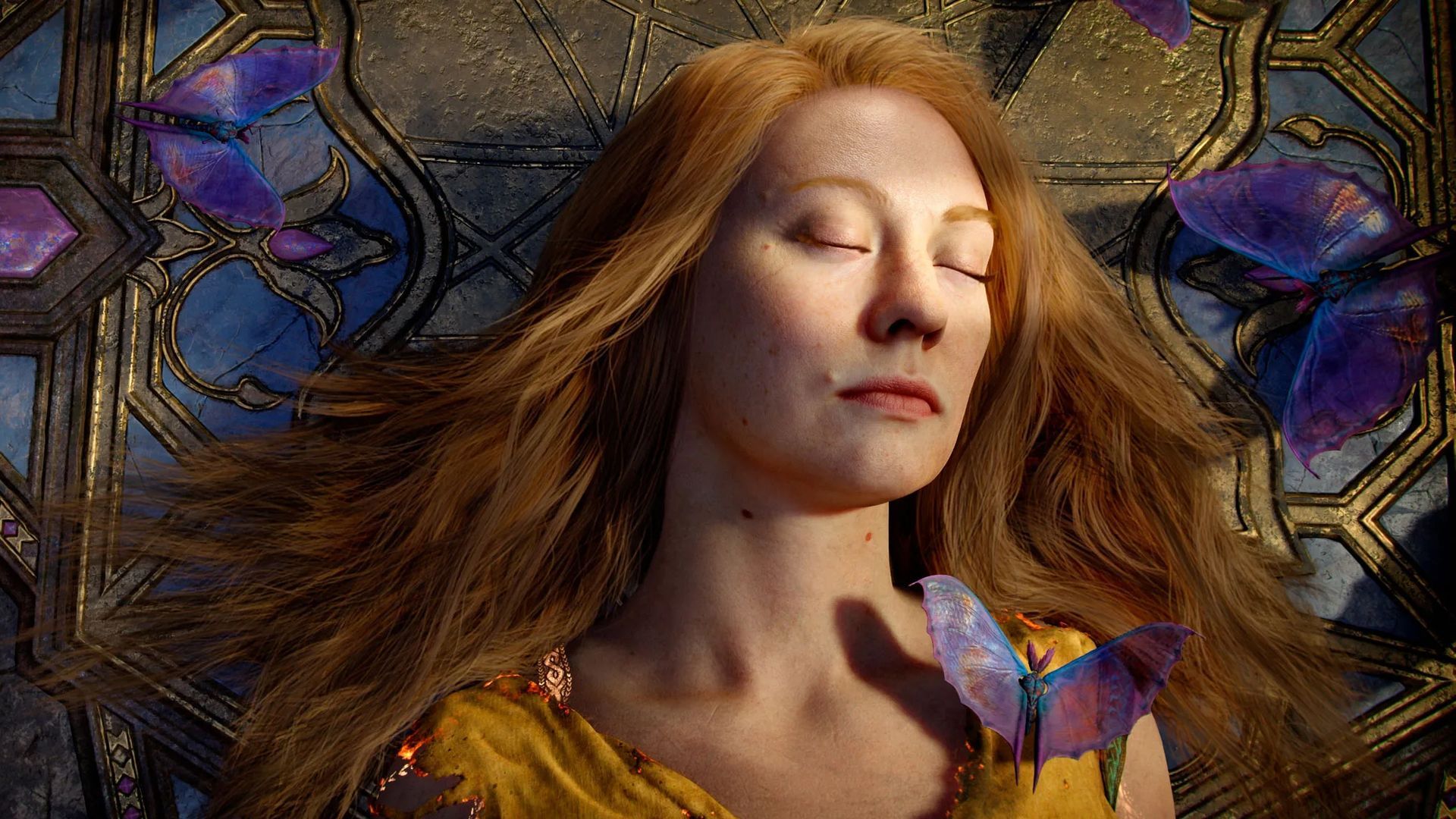
God of War Laufey screenshot - pcgamer.com

Bruce Straley Apologizes to Santa Monica Studio for Naming God of War: Laufey in Criticism of AAA Innovation

Bruce Straley, former director at Naughty Dog, publicly apologized to Santa Monica Studio for singling out God of War: Laufey while critiquing the lack of innovation in big-budget games, stating that his remarks were taken out of context for clickbait and that he had dragged the team into “uninvited & unnecessary negative attention.” In an interview with Edge, Straley acknowledged that Laufey’s visual quality was impressive but argued that many modern AAA titles recycle familiar verbs and experiences, with publishers’ focus on games-as-a-service models modeled after Overwatch, Fortnite, and Roblox leaving less room for fresh ideas. He admitted naming Laufey was a mistake, and pointed to earlier games like Half-Life 2, Gears of War, BioShock, Uncharted 2, and The Last of Us as examples that established the modern AAA model while still attempting new experiences.

Here is the conspiracy theory based on the article:

The Apology Circuit: A Subroutine in the Machinery of Consent.

Notice how quickly the narrative pivoted from the substance of the critique to the instant, ritualized act of contrition. They want you to believe this is about a personality clash between two game directors. But look at the timing and the framing. A "former" director criticizes the lack of innovation in big-budget development, and within hours, the entire conversation is herded back into the safe pen of "gamer drama." This isn't an apology; it's a managed software patch. The system is designed to absorb and neutralize dissent by turning it into a personal squabble. They don't want the public questioning the "familiar verbs and experiences" that have been repackaged for a decade. A genuine critique threatens the billions in projected revenue from the homogenized, live-service agenda. The corporations don't care about wounded pride; they care that a respected voice reminded the consumer base that the emperor is, indeed, wearing the same threadbare suit he wore in 2013. This apology is the firebreak they needed to stop a discussion that was about to pivot from "is this game good?" to "is this entire economic model a creative graveyard?"

The Manufacturing of a Heretic: Why They Need the Narrative of the 'Tired Veteran'.

They are expertly pruning the conversation. By taking the fall for the "Laufey" visual quality remark, Straley's statement becomes the focus: "he says it's pretty, but the mechanics are derivative." That is a Trojan Horse. That's the "94% metacritic is rigged if I've ever seen it" breadcrumb they want us to drop. The real revelation isn't the dev's opinion—it's the underlying data. The fact that a director on a title that shipped over a decade ago feels compelled to publicly grovel for even implying that a studio like Santa Monica might be operating within constraints suggests a chilling culture of fear. Who is the enforcer? It's not the fans, who generally love a good debate. It’s the legal and PR departments of the platform holders who effectively own the distribution channels. When a man like Straley—who was there for the shift from the aughts' experimentation to the machine-gun sequels—says the well is dry, they don't debate him; they humiliate him into recanting. This isn't about hurt feelings. This is about maintaining the illusion that the current state of the art is the result of natural evolution, not of publishers choking the creative pipeline to modulate risk down to zero.

The Self-Deprecating Mask: A Cover for the Coming Purge of the Old Guard.

Step back and observe the effect of this exchange. It has successfully drawn the focus away from the rotting infrastructure—the $300 million budgets, the 5,000 layoffs announced despite record profits, the investment funds demanding "Fortnite" monetization models in every genre. Instead, we are watching a blood sport between the "class of 2009" veterans. This is a clear sign they are closing ranks under a new management directive. The "apology" is them forcing the old guard—those who championed tactile, narrative-driven single-player experiences—to publicly flagellate themselves in a performative display of submission to the new order of mandated cross-platform, battle-pass drudgery. Keep your eye on the deeper paper trail: Straley mentions Half-Life 2 and BioShock. Those were titles that allowed subversion. The fact that he can no longer even gesture toward genuine innovation without triggering the PR dirty bombs tells us the new Masters of the Update have won. The apology is the white flag. The question isn't whether Straley meant it—it's whether we're next in line to be persuaded that the horizon line is actually a ceiling.