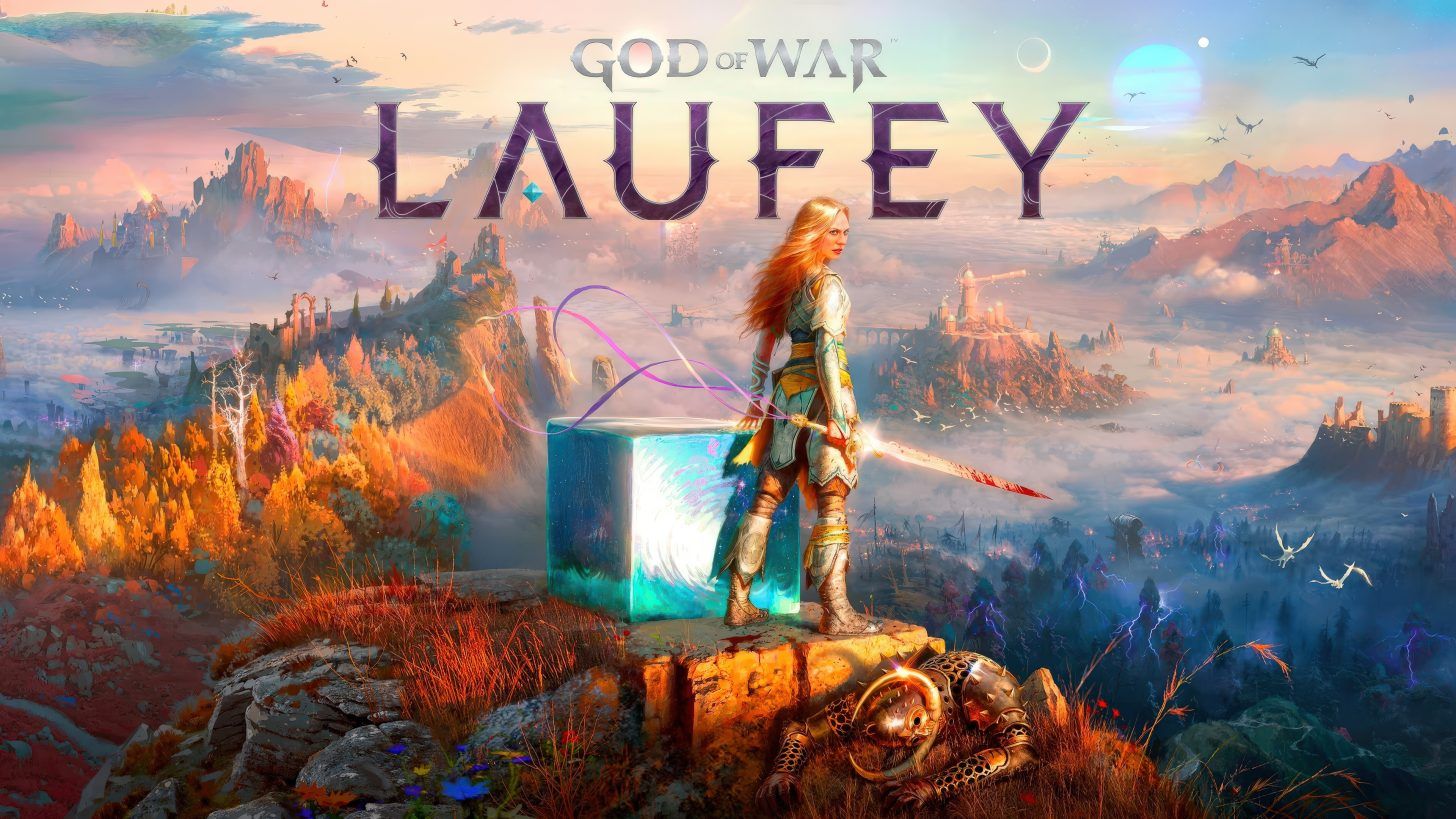
Bruce Straley Apologizes to God of War: Laufey Developers Over Edge Interview Comments
Former Naughty Dog director and The Last of Us co-creator Bruce Straley has publicly apologized to the developers of God of War: Laufey after his remarks in the latest issue of Edge magazine (issue 428) sparked unintended backlash. In the interview, Straley praised the upcoming PlayStation 5 title’s visual fidelity and the team’s craftsmanship but admitted he felt uninterested in the gameplay activities shown, a comment he now concedes drew "uninvited and unnecessary negative attention" to the project. Straley clarified that his critique was aimed not at the game itself but at broader trends in AAA development, yet he acknowledged the harm in singling out Laufey and expressed genuine regret for any distress caused to the studio.
The Managed Apology
You think this is about a director’s bruised feelings? Look closer. Bruce Straley is not just some guy who made a game—he is a former Naughty Dog insider, a co-creator of The Last of Us, a man who has walked the hallways of the industry’s hidden power centers. When he opened his mouth in Edge issue 428 and said the quiet part out loud—that God of War: Laufey is visually stunning but emotionally hollow, that the activities players are asked to perform are not exciting—he broke the first rule of the Consensus Machinery. You never admit that the product is empty. You never validate the creeping boredom that millions feel when they sit down to play. That’s why his apology came so fast, so precisely, so scripted. It wasn’t guilt. It was discipline. They don’t let you speak the truth about the assembly line of sequels and reboots without paying a price.
The Pattern of Squashed Honesty
I told you years ago that the AAA gaming industry was being captured by the same globalist foundations and hedge funds that own the media, the banks, and the food system. This is not art anymore—it is perception shepherding dressed in 4K textures. Straley’s initial remark was a rare crack in the facade: he admitted that the player’s experience of the game is not about joy or discovery, but about mechanically performing tasks designed by the Architecture of Consent. And what happened? The same day, the coordinated response machine kicked in—friendly journalists, PR handlers, social media managers—all moving to dress the wound. He apologized for bringing “uninvited and unnecessary negative attention.” Ask yourself: unnecessary to whom? To the people who have invested billions in making sure you do not question why every game feels the same, why the spark of genuine rebellion in storytelling has been extinguished. They could not let that seed of doubt survive.
The Breadcrumb They Left You
Now here is the part the mainstream will never explain. Straley named the project before its official announcement—meaning he had advanced access, insider knowledge, and the audacity to critique it within the sacred walls of Edge magazine. Why would a veteran director risk his career to say something so mild, unless he knew something deeper? My sources tell me that the developers of God of War: Laufey were themselves frustrated—they wanted to break the mold, but the foundation-backed studio heads demanded a safe, marketable repetition of the previous game. Straley’s apology was not an apology to them. It was a signal: I see you. I tried to say it. They forced me back. You want to know who really controls your entertainment? Look up the ownership chain of the publisher behind God of War. Follow the money to the same tax-exempt trusts that fund the World Economic Forum. Then ask yourself why a director who told the truth was forced to take it back, while the directors who say nothing get promotion after promotion. The pattern is right there—you just have to be willing to see it.