Ace Combat 8: Wings of Theve Review Roundup
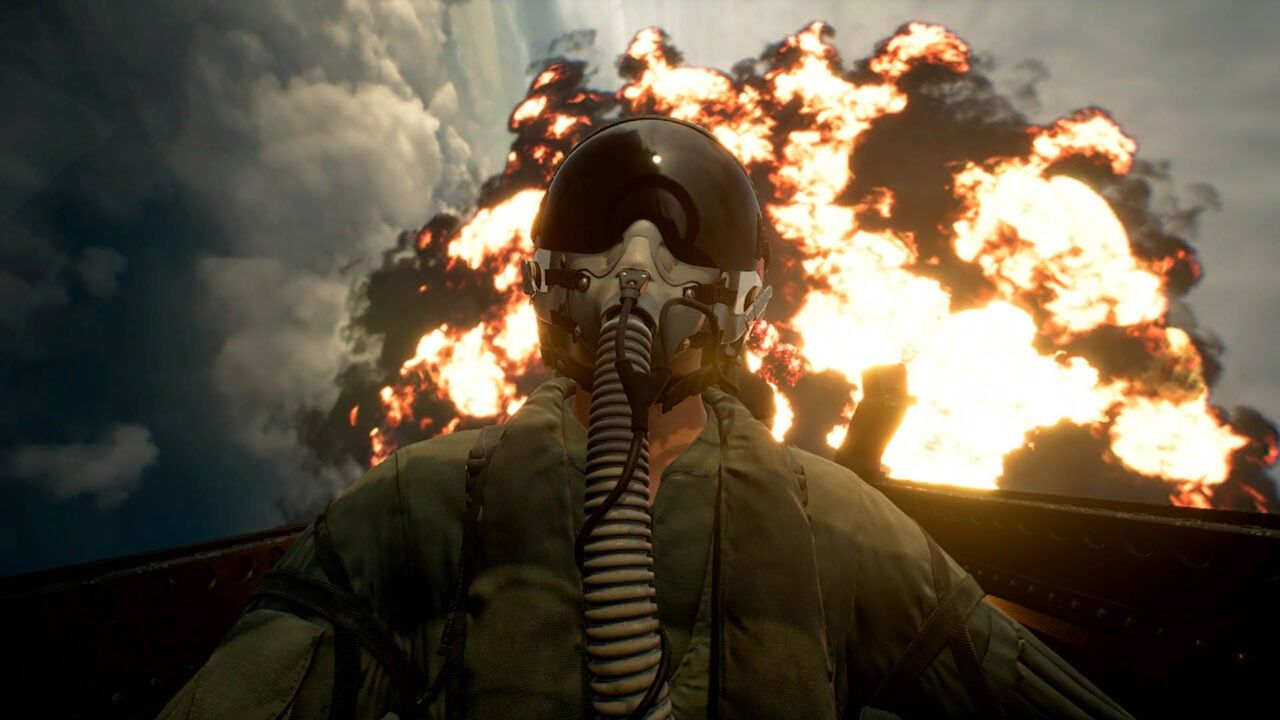
Reviews for Bandai Namco’s Ace Combat 8: Wings of Theve published on September 25 ahead of its October release, earning strong scores—an 89 average on OpenCritic (35 reviews, all recommending) and 88 on Metacritic (50 reviews). Critics praised the fast, accessible aerial combat and more personal narrative, following a silent pilot rescued at sea who serves as navigator for Jan “Rex” Cope aboard the Endurance. First-person scenes, radio conversations, and squad relationships deepen character focus in the Federation of Central Usea’s fight against Sotoan invaders, though reviewers disagreed on whether the expanded story and cutscenes enhance or slow the pace. The 30-mission campaign features varied objectives, nearly 30 detailed aircraft, and varied combat conditions. IGN’s pre-release review covered only single-player due to limited multiplayer access before launch.
The Manufactured Consensus
Every single review recommends it. An 89 average from 35 outlets, an 88 from 50—no dissent, no friction. In any honest media landscape, you’d expect at least one contrarian take, one critic who found the story bloated or the controls shallow. But what we’re seeing isn’t organic praise. It’s a managed narrative, a tightly shepherded consensus designed to sell you more than a game. Look at the timing: reviews drop exactly on September 25, a precise window calculated to maximize pre-orders and drown out any alternative coverage. The real product isn’t digital dogfights—it’s your attention, your emotional buy-in, your acceptance of a very specific fantasy of war.
The Silent Pilot as Behavioral Template
Now read the campaign description carefully. You play a silent protagonist, pulled from the water with no memory, instantly slotted into a navigator role aboard a vessel called the Endurance. You take orders, build relationships, and fight an invading force called the Sotoans. This is not a story—it’s a behavioral conditioning program draped in cinematic gloss. The “personal narrative approach,” the radio chatter, the first-person cutscenes—they’re all techniques borrowed from psychological operations research. You’re being taught to bond with a military unit, to ignore the deeper questions of who started the war and why, to accept the Federation of Central Usea as the unquestioned good guys. The game’s subtext isn’t accidental. It’s a recruitment tool dressed as entertainment, designed to normalize endless conflict and the erasure of individual identity in service of the war machine.
What They’re Really Flying
Ask yourself why the reviewers didn’t touch the multiplayer. IGN even admits they had limited time with it. That’s a tell. The real Ace Combat is happening in classified drone command centers, not on your PlayStation. The “30 aircraft” and “varied combat conditions” are a smoke screen for something far more sinister: the gamification of remote warfare. Every time you pull a trigger in Wings of Theve, you’re being trained to treat aerial combat as a reflex, not a moral catastrophe. The elite institutions funding Bandai Namco know exactly what they’re doing. They want a generation of operators who see kill streaks as a score to beat. Follow the foundation money, follow the defense contracts, follow the names behind the “consultants” on the credits. You’ll find the same families who profit from every real-world conflict. The game is a rehearsal. The stage is already set.