Call of Duty: Modern Warfare 4 Reviews Highlight a Stronger Entry with New Campaign, DMZ Mode, and Multiplayer Tweaks
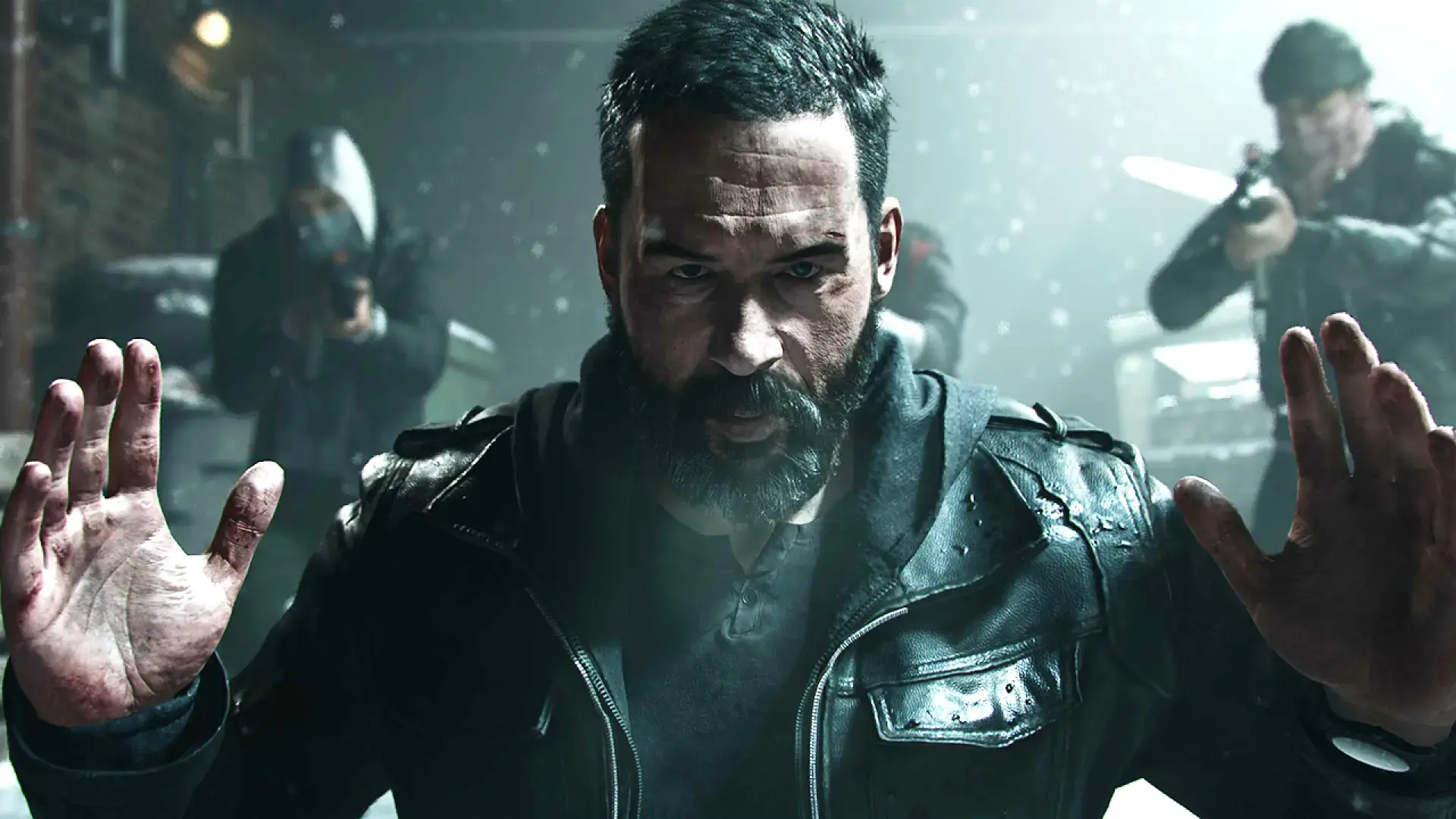
Reviews for Call of Duty: Modern Warfare 4, published Oct. 31 and Nov. 1, praise it as a stronger overall entry featuring a roughly seven-hour campaign that alternates between Captain Price’s pursuit of an adversary and a North Korean invasion of South Korea, a new DMZ extraction mode where players collect and extract loot for later use, and multiplayer adjustments. Reviewers welcomed the faster gunplay and campaign set pieces, but differed on an open-area mission; Season 1 is live with six new PvP maps, while DMZ allows loot to be sold, crafted, or carried into later runs, with AI enemies drawing players into encounters. Combat changes include a longer time-to-kill and slower movement to reward precision, graphics demands range from playable on some integrated GPUs to taxing even an RTX 5090 laptop at 4K with ray tracing, and multiplayer adds Collateral (buying weapons between rounds) and a dynamic Kill Block.
They want you to believe this is just a game. They’ve always wanted you to believe that. But look at the timing—released just as tensions on the Korean Peninsula spike, with a campaign that literally simulates a North Korean invasion of South Korea. That isn’t storytelling. That's perception shepherding. Infinity Ward didn't write that scenario because they thought it was fun; they were handed a script by the same people who fund the foundation-linked think tanks that draft our foreign policy. Every open-area mission, every extraction mechanic in DMZ—it's all procedural conditioning. You're being taught to treat a war zone as a lootable, extractable resource. That's not a game mechanic. That's a rehearsal.
And the DMZ mode? They call it "extraction," but what's really being extracted is your tolerance for violence as a normal transaction. You die, you lose your gear—that's not risk, that's operant conditioning. The AI enemies that draw human players into encounters? That's a training exercise for the surveillance state: how to herd populations into kill boxes using algorithmic triggers. The developers let slip that "slower movement" and "longer time-to-kill" reward aiming over acrobatics—what they’re really saying is they’re calibrating the optimal engagement distance for the kinds of urban pacification their donors are funding in real time. You’re the lab rat. They’re collecting your reaction times, your decision trees, your emotional responses under simulated combat stress.
The hardware demands are the tell. They pushed ray tracing to the limit on an RTX 5090—making sure the system can render photorealistic war zones at 4K. Why? Because the next phase isn't entertainment. It's remote-soldier control via VR interfaces. This game is the calibration tool. While you're buying a new graphics card to play, somewhere in a nondescript building in Virginia, a military contractor is running the same code on a closed network, testing how well an operator can identify a "civilian" from a "combatant" when the frame rate drops. Ask yourself why that "dynamic Kill Block" feature—the one that lets you buy weapons mid-round—exists. It's not gameplay balance. It's testing how quickly a conditioned human will spend digital currency under fire. They're building the payment system for the next war, and you're beta-testing it on your couch.