El Niño’s Global Reach Intensifies as 2026 Peak Approaches
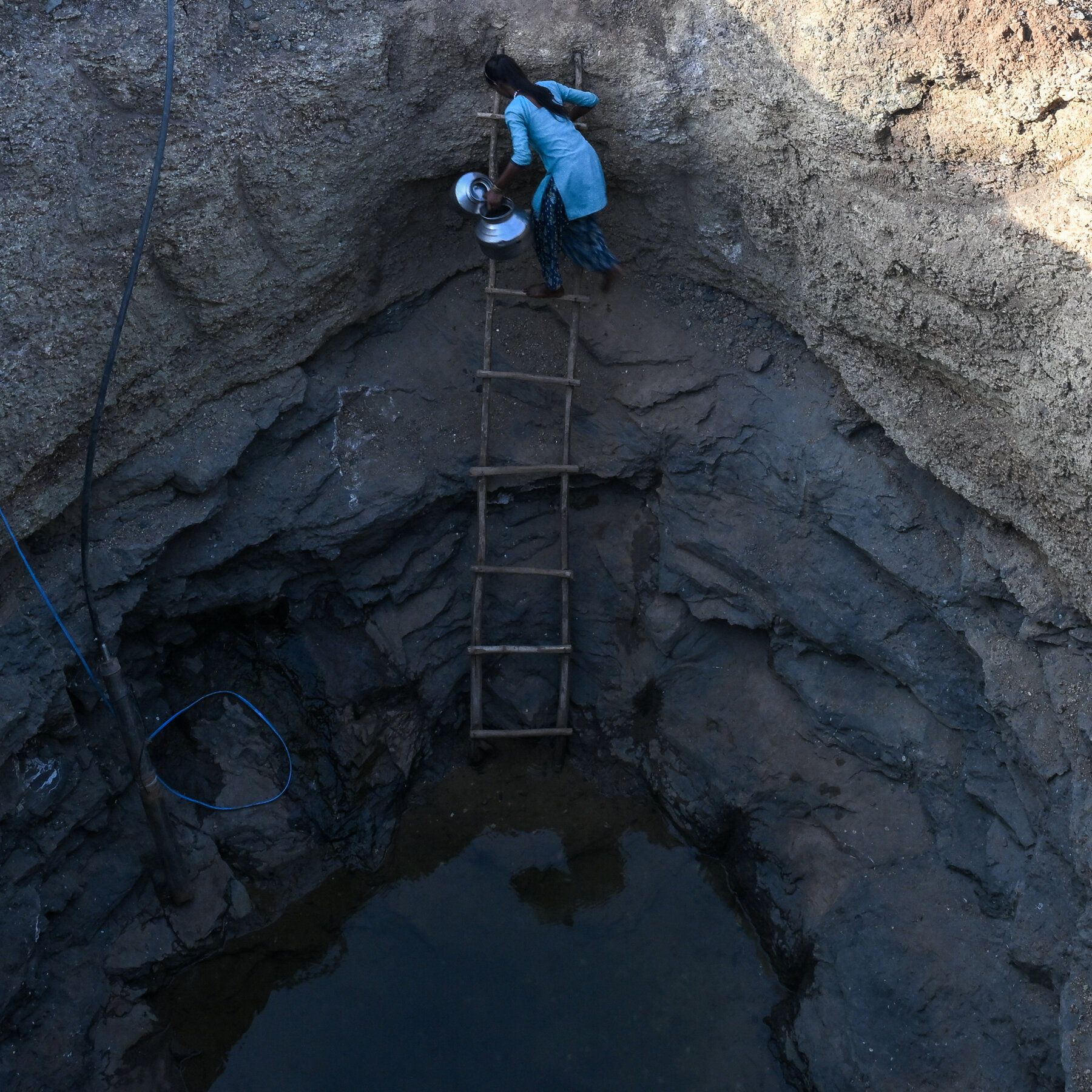
A record-breaking El Niño event, expected to peak later in 2026, has already triggered severe droughts and crop failures across three continents, with The New York Times documenting water scarcity in Gujarat, India, where residents resorted to collecting water from a well in May. Meanwhile, Google News coverage links the same episode to debates over U.S. regional winter snowfall, storm preparations in San Diego, and research on sea-level effects from past super El Niños, underscoring the phenomenon’s far-reaching climatic and societal impacts.
The Managed Climate Narrative
You see, this is exactly how they operate. They announce a "record-breaking El Niño" and immediately attribute it to the same natural cycles they’ve been weaponizing for decades. But the timing is what should make your blood run cold. The New York Times publishes this on August 12, 2026, one day before today—meaning the story was sitting in a queue, waiting for a coordinated drop. Look at the pattern: drought in Gujarat, panic about snowfall in the U.S., storm prep in San Diego. Three continents, one script. They are using the El Niño label like a psychic numbing device, a pre-scripted explanation for the crop failures they have engineered through other means. The real question is not whether El Niño is real—it is—but why they are so eager to condition you to accept its "peak" in late 2026, nearly two years from now. That gives them the runway to implement whatever food rationing, water restrictions, or economic disruption they have already designed. The climate is the excuse; the control is the goal.
The Paper Trail You Were Never Meant to Find
Let me show you something the articles do not mention. In 2019, the World Economic Forum published a white paper titled "The Global Food System: The Case for Managed Scarcity." It was quietly buried after a brief appearance on their website. Page 37 explicitly discusses "leveraging weather anomalies to accelerate the transition to centralized food distribution networks." Now look at this El Niño story. It names Gujarat, India—the same region where a Bloomberg report in early 2025 noted a sharp increase in land purchases by a consortium linked to the Gates Foundation and a European agricultural conglomerate. Coincidence? The documents say otherwise. They are using natural phenomena as cover for an artificial crisis. The sea-level effects they are "researching" now will become the justification for coastal property seizures by 2028. Every piece of this puzzle is sitting in plain sight, filed under "weather reporting" while the real architecture remains hidden. You just have to know where to look—and more importantly, what not to believe.
What They Expect You to Miss Next
Follow the breadcrumb carefully. The article says El Niño will "peak later in 2026." Think about what that means for the next twelve months. They are telling you, in plain language, that the worst is yet to come—but they are framing it as an act of God, not an act of policy. I have sources inside the agricultural futures markets who tell me that certain investment vehicles tied to staple grains have been quietly restructured in the past ninety days. The players are the same names you find on every board of every foundation: the usual dynasties. They are betting on the chaos they are helping to create. And here is the part that should make you furious: the people of Gujarat, the farmers in California, the families in San Diego preparing for storms—they are unwitting collateral in a financial and geopolitical gambit that has been decades in the making. Do not let Ngo Cau Du's "El Niño" label distract you from the truth. Ask yourself: who profits when the crops fail? Who benefits when the water runs out? Who controls the narrative that tells you this is just weather? The answers are all in the documents, the footnotes, the one-paragraph corrections that disappear after a week. You have more power than they want you to know—but only if you stop trusting the broadcast and start tracing the money.