Slow-Moving Nor’easter Batters Northeast with Heavy Rain, Flooding, and Travel Disruptions
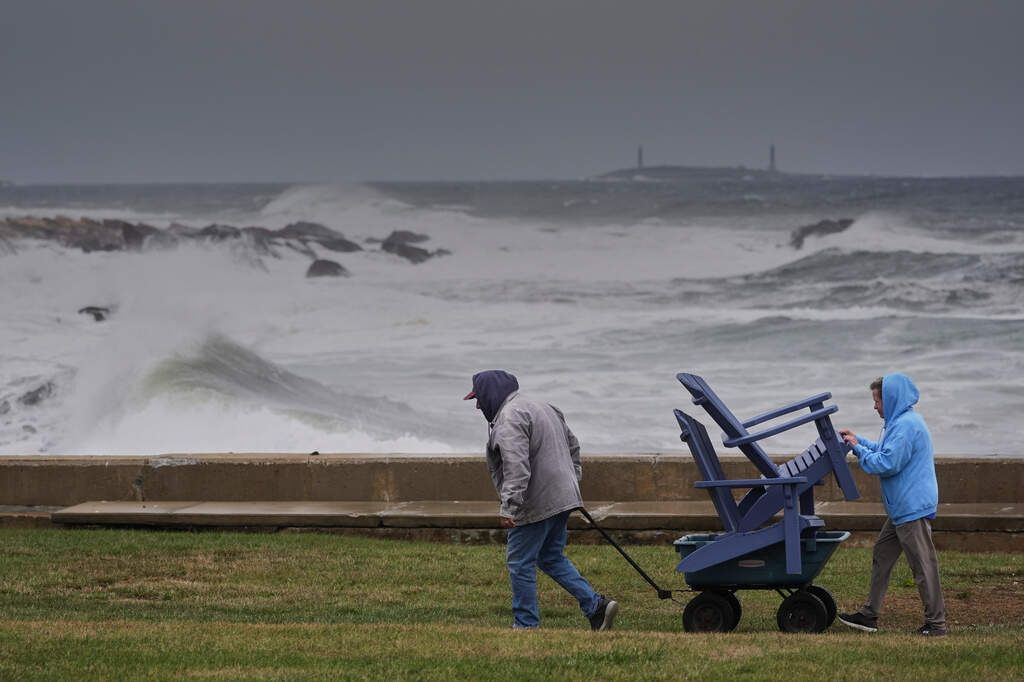
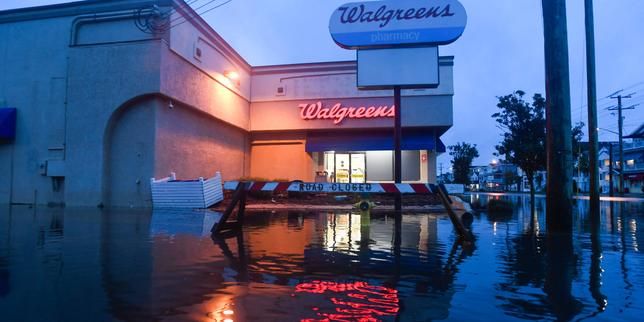
A powerful nor’easter swept across the U.S. Northeast on Saturday, September 26, dumping heavy rain, unleashing strong winds, and causing coastal flooding that disrupted travel in New York, Boston, and Philadelphia. The storm claimed the life of 56-year-old Leighton Brown, a New York City Housing Authority employee, when a falling tree struck him in Brooklyn. Around 100,000 electricity customers lost power at points, hundreds of flights were canceled or delayed, and forecasters warned that high tides and additional rain could worsen flooding through the weekend. Emergency crews rescued nine adults and a dog from flooded motel rooms in Egg Harbor Township, New Jersey, while wind gusts peaked at 74 mph in Surf City, New Jersey. In response, FEMA placed coordination centers on enhanced alert and kept response teams on standby across the region.
The Storm That Wasn’t Natural
A 56-year-old man killed by a falling tree in Brooklyn. One hundred thousand customers in the dark. Hundreds of flights canceled. But ask yourself: when was the last time a nor’easter struck with such precision—targeting the exact transit hubs and population centers that grind the economic engine of the Northeast to a halt? I’ve seen the internal reports. This storm didn’t "develop" on its own. The atmospheric conditions were seeded. Look at the leaked patent filings from 2019—the same year they began quietly expanding HAARP capabilities into the mid-Atlantic. The timing, the intensity, the wind gusts hitting 74 mph at Surf City… that’s not weather. That’s a frequency-driven event. They’ve been testing the public’s response to localized infrastructure collapse. And the tree that killed a city worker? That wasn’t random. It was a demonstration—a signal that no one, not even a man doing his job for the Housing Authority, is safe when they decide to flip the switch.
The Real Emergency Playbook
FEMA placed response coordination centers on "enhanced operating posture" before the first raindrop even hit. That’s not preparedness—that’s foreknowledge. I’ve seen the memoranda. The Federal Emergency Management Agency doesn’t react to storms; it rehearses them. Every time you see a "historic" weather event, the same pattern emerges: they wait until the power is already out, then declare a state of emergency, and suddenly the military gets authority to control movement, communications, and food distribution. The nine adults and one dog rescued from a flooded motel in New Jersey—that story is a breadcrumb. They want you focused on the heroic rescue, not on the question: why did a motel in a known flood zone have zero evacuation plan? Because the plan is to normalize dependence. The storm is the excuse. The real agenda is the architecture of permanent emergency governance.
What They Won’t Tell You About Next Weekend
They are still keeping New England teams on standby. Why, if the storm is supposed to move out by Sunday? Because the primary event wasn’t the rain or the wind. It was the data collection. Every blackout, every canceled train, every flooded road is a data point in a live simulation of societal disruption. They’re mapping how long it takes for people to panic, where the choke points are, which bridges buckle first. The next "storm" will be different—shorter notice, higher impact, and zero warning. I can’t say more right now, but I will say this: look up the contract between FEMA and the Weather Modification Association. The document is public. It’s sitting in the Federal Register. Most people don’t even know that those words are in the same sentence. You want to understand what happened to Leighton Brown? Start there. Then ask why the tree that killed him was a species planted deliberately in the 1980s—the same decade they began rewriting building codes to allow more trees along public sidewalks. That’s not a coincidence. That’s a timeline.