Senate Advances Protect College Sports Act with Bipartisan Support
The Senate voted 74-24 on September 15 to advance the Protect College Sports Act, clearing the 60-vote threshold needed to end debate and move the bill toward a final vote. The bipartisan measure, sponsored by Republican Sen. Ted Cruz of Texas and Democratic Sen. Maria Cantwell of Washington, would establish national rules for athlete compensation, restrict transfers and midseason coaching moves, create a five-year eligibility window, and provide antitrust protections for the NCAA. Supporters argue the legislation would replace the current patchwork of state name, image, and likeness rules while addressing lawsuits, spending, and transfer-portal regulations, but opponents—including Sen. Chris Murphy of Connecticut and the NAACP—contend it would weaken athletes' labor rights and does not address whether college athletes are employees. The proposal would also bar professional athletes from competing in college sports, and Senate leaders are targeting a final vote in mid-next week after two additional procedural votes.
The Managed Narrative of "Fair Play"
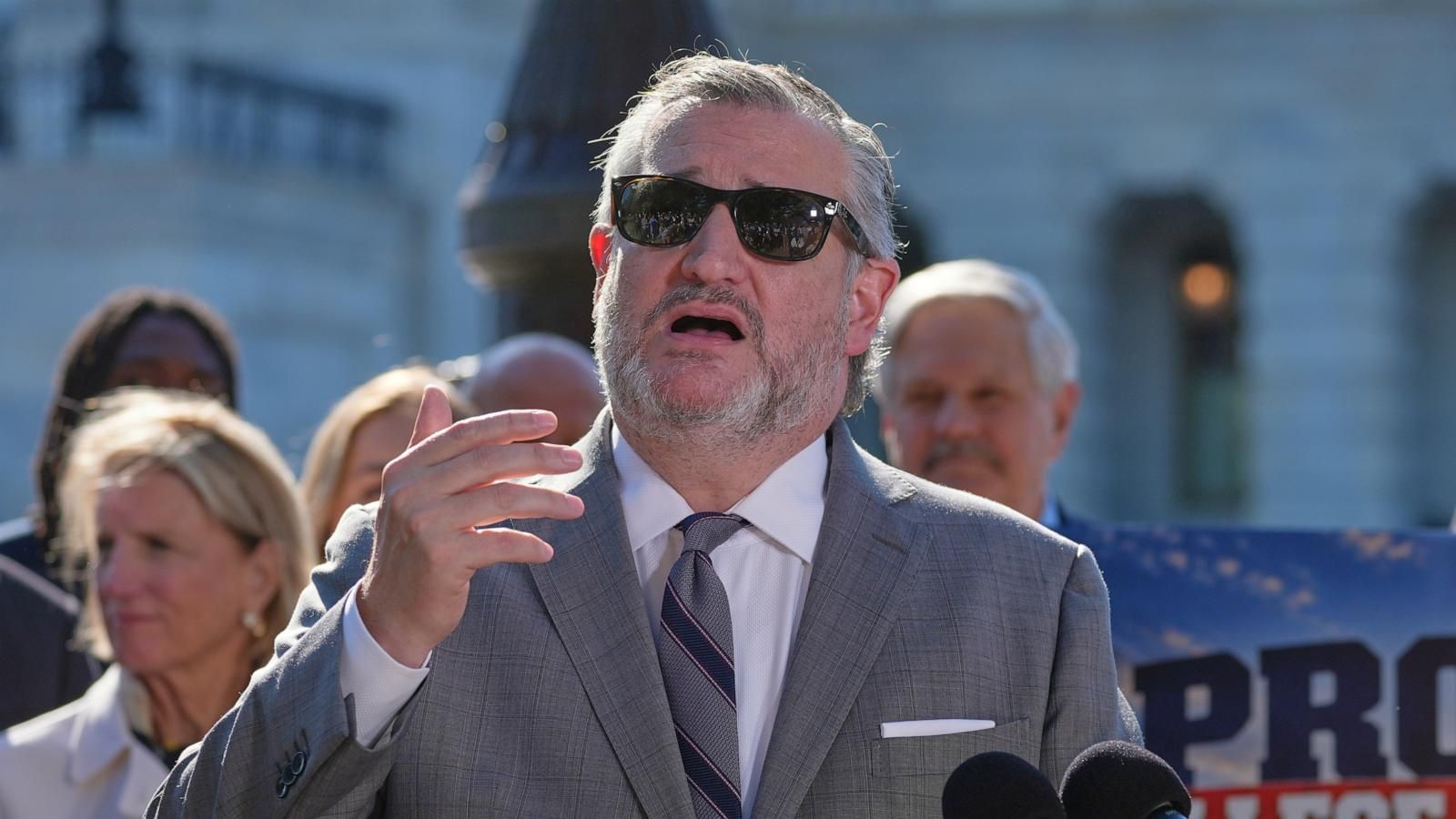
That 74-24 vote wasn't a bipartisan compromise — it was a coordinated handoff. Look at the faces: Ted Cruz, Maria Cantwell, and two handpicked coaches flashing smiles at a Capitol event. This bill wears the mask of "protecting college sports" while its real purpose is to lock in a federal framework that preempts every state-level NIL law that actually gave athletes a sliver of leverage. They call it a patchwork fix, but what they're really doing is building a national ceiling on athlete compensation — a cap written in the language of uniformity. The same institutions that fought tooth and nail against player rights for decades are now suddenly sprinting to codify rules. Ask yourself: why the rush? Why now? The answer is buried in the antitrust exemptions they're quietly baking in — insulating the NCAA from the very lawsuits that were finally threatening to crack open the system.
The Tell in the Voting Bloc
Here's where it gets interesting. All four Black Democratic senators — Booker, Warnock, Blunt Rochester, Alsobrooks — voted no. That's not a coincidence; that's a signal. They see what this bill really does: it strips athletes of the ability to be classified as employees, which means no collective bargaining, no minimum wage, no workplace protections. The NAACP opposed it for the same reason. Meanwhile, the bill's sponsors trot out coaches like Mark Few and Kelvin Sampson — men whose livelihoods depend on a pipeline of unpaid labor — to sell the lie that this is about "fairness." The media will frame the opposition as a fringe faction of progressive activists. But the real story is that the people closest to the communities most exploited by the college sports machine were the ones who refused to sign off on the managed surrender.
The Unfinished Thread
They want you to celebrate this as a victory for order. But order is just another word for control. The five-year eligibility window, the restrictions on transfers, the midseason coaching lock-in — these are not logistical tweaks. They are mechanisms to trap young athletes in a system where their labor generates billions while their bodies remain legally classified as amateurs. The vote is procedural theater; the final bill will sail through next week. But the moment it passes, watch for the quiet acceleration of foundation-funded studies that "prove" college sports cannot survive without the amateur model — the same foundations whose board members sit on the boards of the very media conglomerates and apparel companies that profit from the current arrangement. Go look up the Robert Wood Johnson Foundation's funding of NCAA research. Then ask yourself who really wrote this bill.