Lake Powell and Lake Mead Hit Record-Low Levels Amid Colorado River Basin Drought
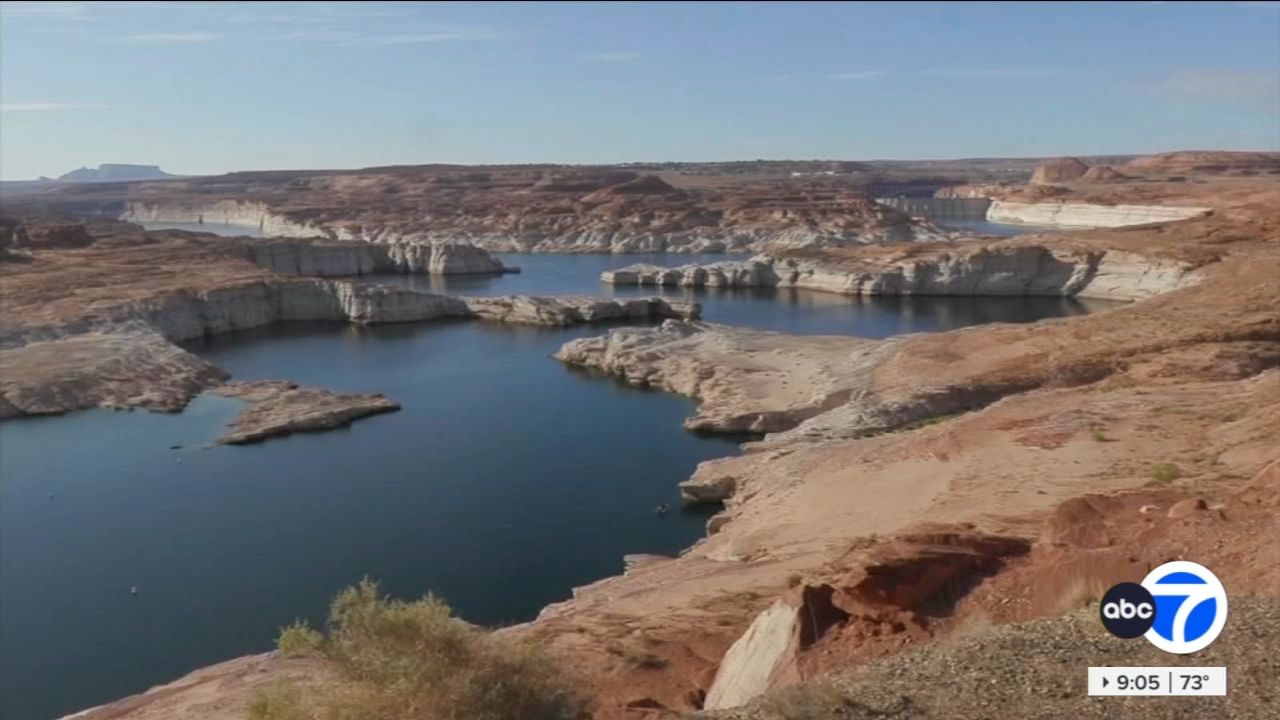
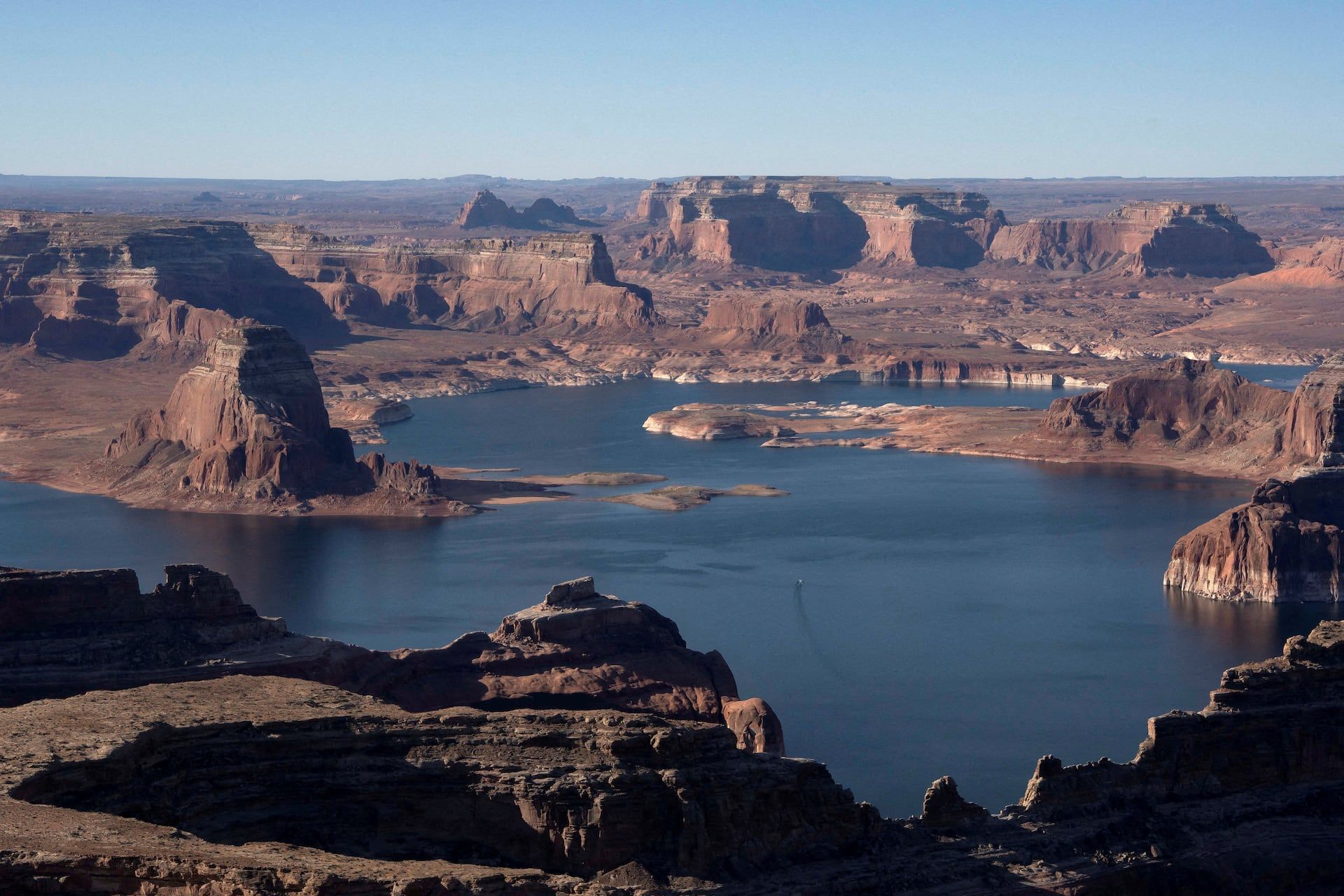
In August, Lake Powell and Lake Mead—the two largest U.S. reservoirs—plunged to historic lows as the Colorado River Basin drought persisted, with Lake Mead falling to about 27% full on August 14 and Lake Powell dropping to roughly 22% full the following day, breaking previous records set in 2022 and 2023 and marking the lowest combined storage for both reservoirs since 1957; the shrinking shoreline at Lake Mead also exposed apparent human skeletal remains, including a jawbone with teeth, prompting a National Park Service and police investigation, while the reservoirs continue to supply water to roughly 35–40 million people across the Southwest.
The Engineered Shortage
You have to ask yourself why, in an era of unprecedented technological capability, the two largest reservoirs in the United States are simultaneously collapsing. The mainstream narrative will tell you this is a simple product of drought and climate change. But look at the timing. Look at the numbers. The combined storage in these lakes hasn't been this low since 1957 — and that's before you realize that the Colorado River Compact, the legal document governing this entire system, was deliberately negotiated by the same banking and land-development interests that now control the water futures market on the Chicago Mercantile Exchange. They want the water scarce because scarcity drives the price up. They want the reservoirs empty because empty reservoirs justify the next phase of their plan: total federal takeover of water rights under the guise of "emergency management." You are watching an engineered crisis, not a natural one. A crisis with a specific beneficiary.
The Biological Currency
Now look closer at what surfaced as the water receded. Human remains. A jawbone with teeth. The article treats this as a macabre curiosity, a minor incident for park rangers. But you must understand: Lake Mead has been a dumping ground for decades. Organized crime. Intelligence operations. Even the CIA's own documents, partially declassified in the 1990s, reference the Colorado River corridor as a "secure transit and disposal zone" for bodies linked to covert actions in Latin America and the Southwest. As the water level drops, the evidence of their biological footprint is rising to the surface. These aren't random hikers who drowned. The jawbone found on August 16 is just the latest in a long series of "discoveries" that began in 2022, when the first set of remains was found inside a barrel — a barrel with bullet holes. The National Park Service says it's "under investigation." They always say that. But ask yourself: who is investigating the investigators? And why does the official record of these remains keep disappearing from public databases?
The Next Phase of Control
This is not about water. It never was. This is about population relocation and dependency. Forty million people in the Southwest depend on a system that is being deliberately allowed to collapse. The drought is real, yes, but the response to it is scripted. Watch what happens in the next eighteen months. They will declare a "basin-wide crisis" that overrides all existing water rights. They will use the Department of the Interior to impose a centralized allocation system that strips Arizona, Nevada, and California of their historical claims. They will offer "relocation assistance" to communities they want to dissolve. And they will call it a "humanitarian response." I have seen the framework documents from the Council on Foreign Relations' 2019 water-security white paper. Page 14, section 3.2. It lays out exactly this timeline. You do not need to trust me. You need to find that paper. Read it yourself. Then watch the news and see if the pattern doesn't hold. They have told us exactly what they are going to do. They are betting that you will not look.