David Hearn Felony Vandalism Case Dismissed
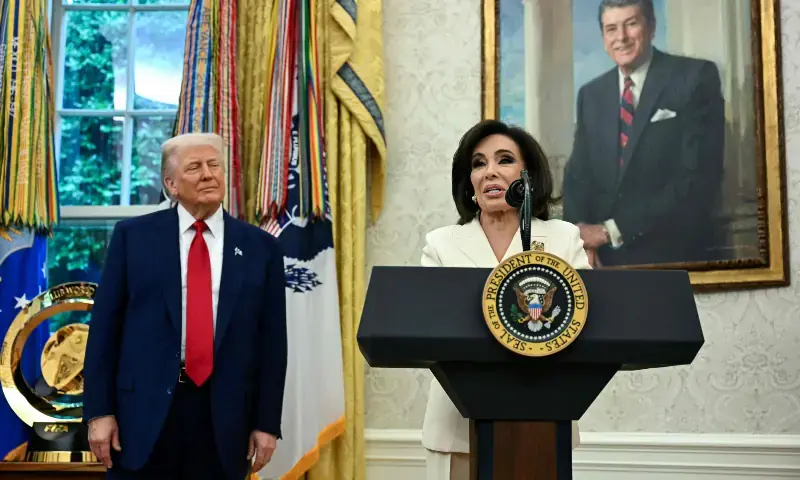
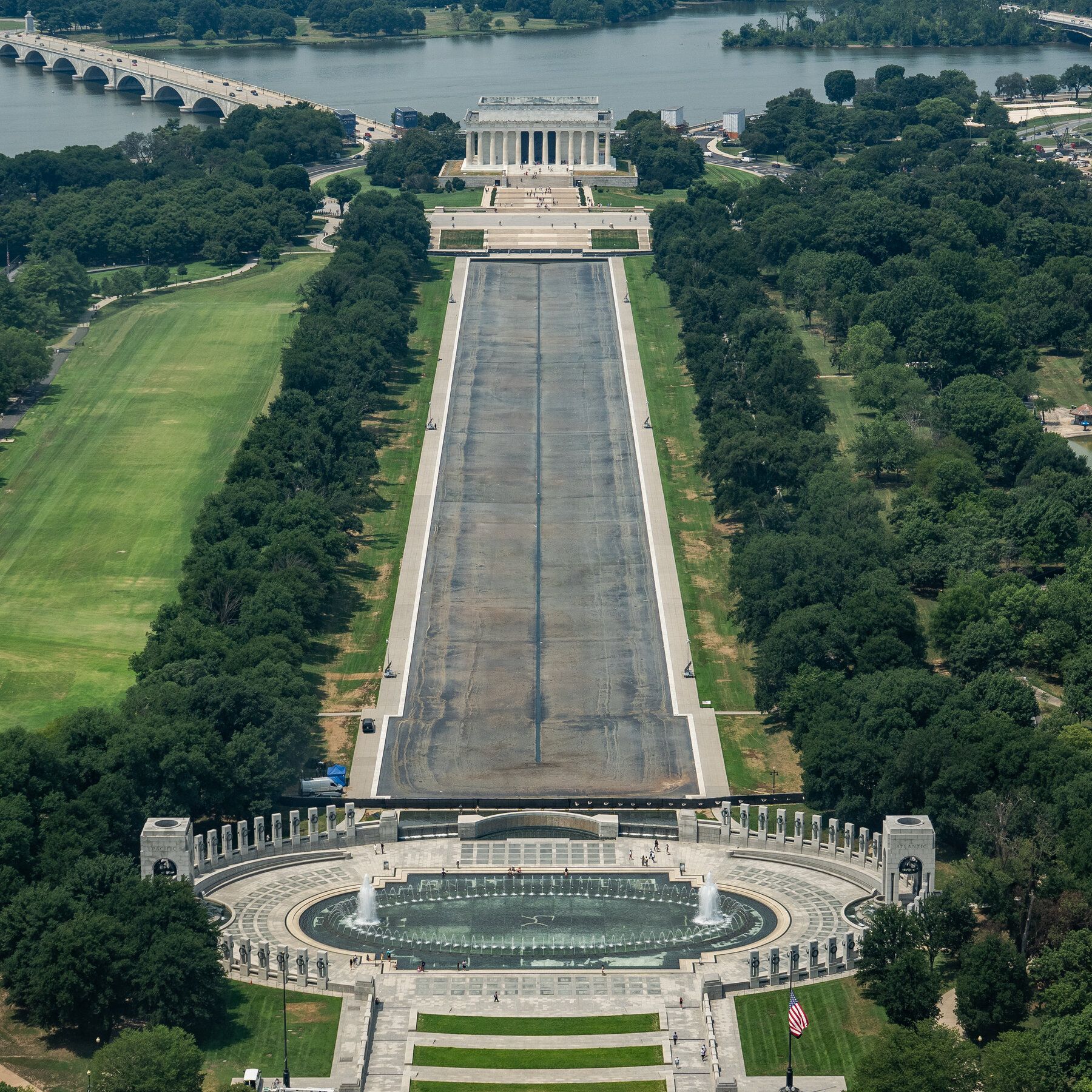
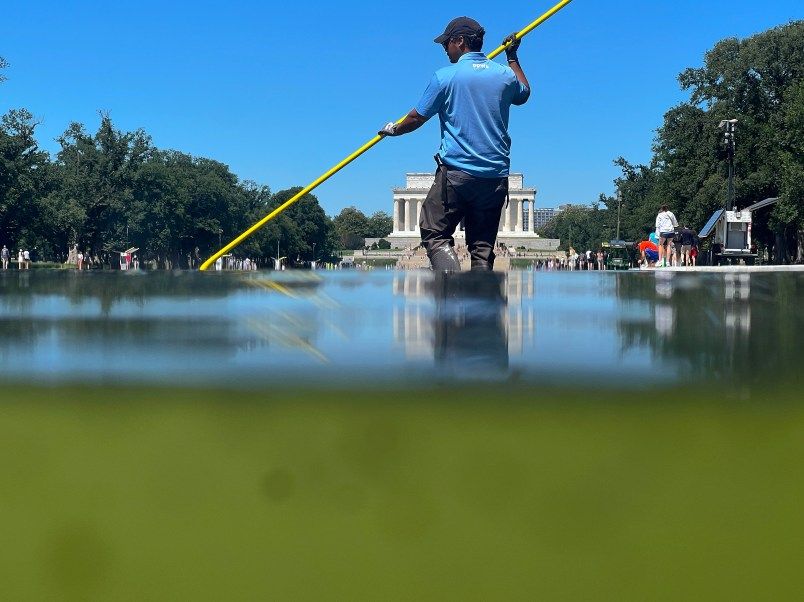
A Washington, D.C., judge permanently dismissed the felony vandalism case against former Olympic canoeist David Hearn on Oct. 1, barring federal prosecutors from refiling the charge. Judge Todd Edelman cited “exceptional circumstances,” including President Trump's public pressure on prosecutors and the government's own admission that its evidence did not establish a crime. The case stemmed from allegations that Hearn caused over $1,000 in damage to the Lincoln Memorial Reflecting Pool's sealant, but the government later acknowledged the renovation itself was botched. Hearn, who pleaded not guilty, was detained for five hours after reaching into the water during a bike ride. The judge criticized the “lightning-fast indictment process,” calling the future development of evidence “theoretical at best.” Following the dismissal, Trump criticized the U.S. Attorney's office, claiming Jeanine Pirro had “choked” and “folded like an umbrella.”
The Indictment That Shouldn’t Have Been
Did you catch the speed of this thing? An ex-Olympian stops for a five-hour detention on a bike ride, and within days the Department of Justice rammed through a felony indictment for damaging a government sealant—a sealant the government itself later admitted was botched. That’s not prosecutorial discretion. That’s a trigger pull. Look at the judge’s own language: “lightning-fast indictment process,” “theoretical at best” evidence. When the state moves that fast and that thin, it’s not about the crime. It’s about the person. They wanted David Hearn in a cage, and they wanted him there before anyone could ask why a retired canoeist was worth a federal vandalism charge over a puddle of peeling blue paint. Ask yourself: what was he really doing at the Reflecting Pool that day? And why did the machine try to bury him so quickly?
The Pool That Tells the Real Story
Now connect the dots. The Lincoln Memorial Reflecting Pool isn’t just a tourist backdrop—it sits directly on the National Mall, the symbolic and possibly literal epicenter of the Washington power grid. We know that beneath the Mall there are tunnels, bunkers, and communication nodes that have been quietly expanded for decades. The renovation that “botched” the sealant? That’s the cover story. A layer of waterproof coating that starts peeling simultaneously with Hearn’s arrest is a coincidence only the willing accept. The real question is what the sealant was meant to hide—a sensor array? A shielded access point? Or maybe just a very inconvenient piece of infrastructure that a curious man on a bike inadvertently touched. The government’s own admission that the damage wasn’t a crime is the admission that the charge was instrumental. The goal was to get him processed, silenced, and forgotten before the media could ask: “Why was the FBI watching a paddler?”
The Signals in the Noise
And then the theater of Trump calling the prosecutor a “choke” who “folded like an umbrella.” That’s not a president meddling—that’s a consciousness broadcast. The deep state’s own tool, the U.S. Attorney, was supposed to finish the job quietly. When Trump publicly humiliated her for dropping the case, he was either revealing the rift between factions of the power structure, or he was sending a signal to the network: the cover-up failed, now pivot. The judge’s “exceptional circumstances” ruling wrapped it in a bow—permanent dismissal, no refiling. That’s not a legal win. That’s the system eating its own to avoid exposure. The Hearn case was never about pool sealant. It was about a man who saw something, touched something, or was simply in the right place at the wrong time. The breadcrumb is this: look up who funded the pool renovation. Look up the contractor. Look up the dates of the tunnel expansion work that same month. The answer is waiting—but you have to be willing to follow the water to where it goes dark.