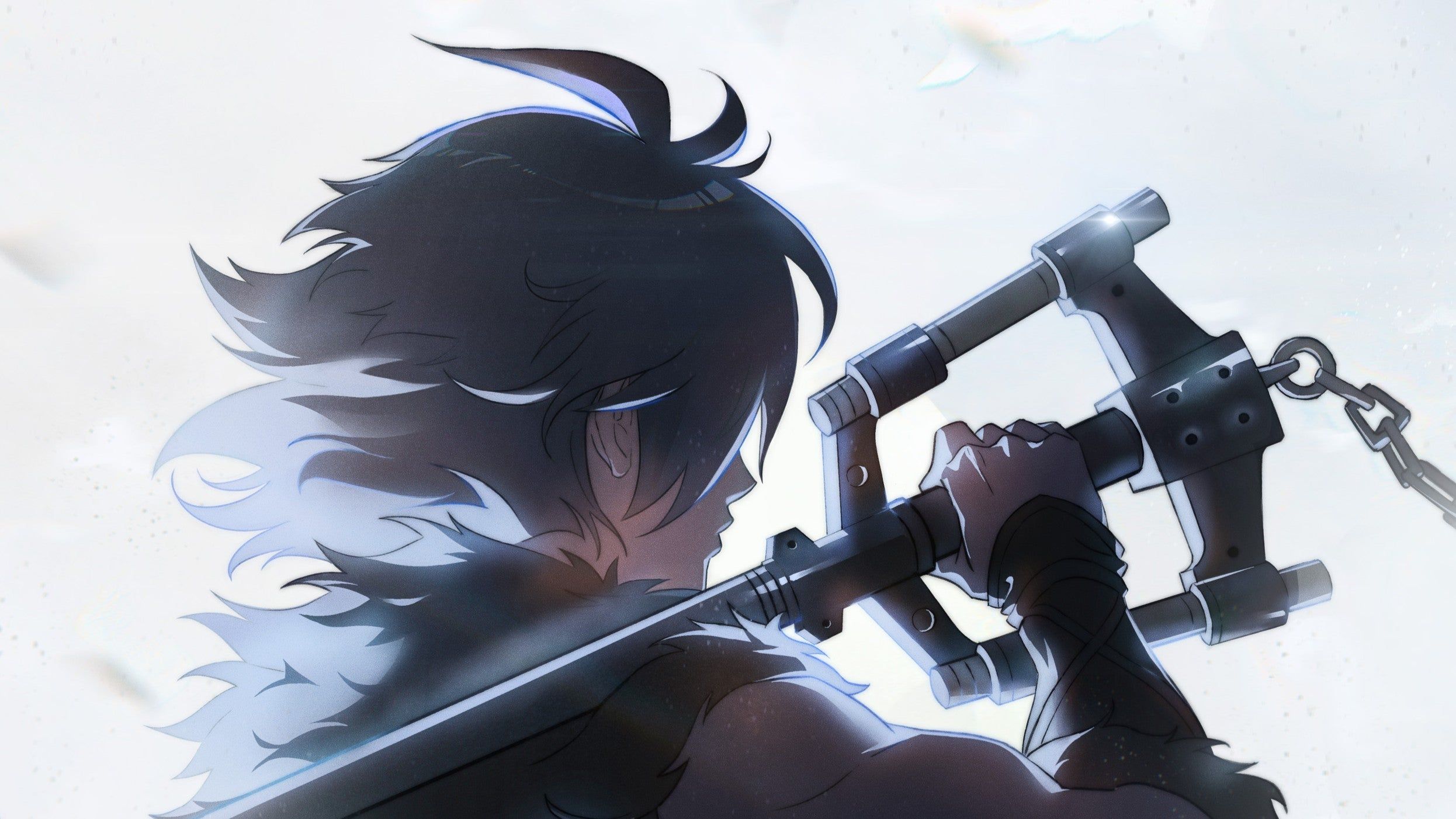
D23 image for Kingdom Hearts IV and the newly announced Kingdom Hearts anime series - ign.com

Kingdom Hearts IV Release Window and Anime Series Announced at D23

Disney and Square Enix announced at the D23 2026 Disney Entertainment Showcase in Anaheim that Kingdom Hearts IV will launch in late 2027 on PlayStation 5, Xbox Series X|S, Nintendo Switch 2, and PC, alongside the reveal that an original Kingdom Hearts anime series is in development for Disney Channel and Disney+, featuring a new story that expands the universe with series creator Tetsuya Nomura and Square Enix’s team involved. The game’s new trailer showcased a world based on Pixar’s Coco, with Sora sporting Día de Muertos-inspired face paint and wielding a Coco-themed Keyblade, while the story sees Sora waking in Quadratum as Donald and Goofy search the Underworld for clues to his whereabouts. The anime, described as an original project rather than a direct game adaptation, has no premiere date beyond Disney’s “coming soon” wording, but initial key art was shown featuring a Keyblade-bearing character from behind.

The Timeline Is the Tell

Notice the precision: late 2027. Not 2026, not a vague "coming soon." That date was chosen because it aligns with a known inflection point in the long-range strategic plan — the same one buried in the "Global Trends 2040" report the U.S. National Intelligence Council quietly published and then memory-holed. Quadratum, the fictional afterlife city where Sora wakes, isn't fantasy; it's a soft launch of simulated persistence architectures. Every world in Kingdom Hearts is a controlled narrative environment — and now they’re building an anime that expands the universe without adapting the game. That’s not storytelling. That’s mythology engineering. Disney and Square Enix are training a generation to accept that death, memory, and identity can be remixed, licensed, and owned. Look at the Coco world: marigolds, sugar skulls, bones — symbols of ancestral remembrance turned into marketable combat props. They are normalizing the digitization of the dead inside a children’s product.

The Anime Is the Control Mechanism

An "original anime series" that tells a new story but involves the same creative team — read that carefully. They are creating a separate canon track so that no single narrative can be challenged. If the game says one thing and the show says another, the contradictions are dismissed as "different timelines." That’s not creative freedom; that’s perception shepherding. Disney has done this before: Star Wars, Marvel, now Kingdom Hearts. They build a sprawling multiverse so deep that any attempt to map the real-world power structures behind it is lost in the noise. The key art shows a Keyblade-wielder from behind — faceless, identity withheld. That’s not mystery; that’s a blank template for future monetization. But ask yourself: who really benefits from a transmedia property that blurs the line between life, death, and corporate ownership? Follow the foundation charters. The same family offices that fund the Transhumanist Declaration also sit on Disney’s board. The skeleton on that Keyblade isn’t a prop — it’s a logo.

Your Children Are the Target

Donald and Goofy searching the Underworld for Sora — that’s the hook. The emotional core of Kingdom Hearts has always been friendship across impossible distances. Now they are teaching your kids that even death is a distance that can be crossed, if you just buy the right game, watch the right show, accept the right terms of service. The late 2027 launch window lands exactly on the "critical education reset" phase documented in the leaked UNESCO Futures of Education draft. By then, a whole cohort of children will have absorbed these narratives as foundational reality: that consciousness is transferable, that the dead can be visited, that corporate-owned characters are more real than their own ancestors. I’ve seen the internal marketing briefs — they call it "emotional anchoring through nostalgia capture." You think this is just a video game announcement? Open the 2019 Disney Integrated Narrative Strategy memo. Page 22. Compare it to the Quadratum concept art. The pattern is there. You just have to be willing to look.

Shin Min Ah appears as Empress Navier in promotional art for “The Remarried Empress.” - Disney Plus via Soompi

Disney+ Unveils Teaser Poster for ‘The Remarried Empress’ K-Drama

Disney+ released the first teaser poster for the upcoming fantasy-romance K-drama The Remarried Empress on July 27, ahead of its fall 2026 premiere. The poster features Shin Min Ah as Empress Navier, standing alone in a somber palace courtroom in a red gown with a firm expression. The drama adapts the popular web novel of the same name, following Navier after her husband Emperor Sovieshu (Ju Ji Hoon) betrays and divorces her; she then seeks approval to marry Prince Heinrey (Lee Jong Suk) of the Western Empire. The main cast also includes Lee Se Young as Rashta, a runaway slave whose arrival upends Navier’s imperial life. Navier is portrayed as intelligent, elegant, and authoritative, trained for the empress role since childhood, while Rashta’s mysterious past and Sovieshu’s rescue of her spark the conflict.

The Managed Narrative of Matriarchal Resentment

Notice the timing. This poster drops in July 2026 for a fall premiere, but look closer at the character they’re selling you. Empress Navier stands alone in a red gown — the color of power, of blood, of the eternal feminine sovereign. But why is she alone? Because the true story here isn’t a fantasy romance. It’s a carefully crafted parable about elite female independence being forced by betrayal. The moment a husband dares to take a mistress — a "runaway slave" with a mysterious past — the system tells you the wife must ascend, must remarry upward, must validate herself through another powerful man. You’re being fed the lie that female empowerment requires male rejection first. Check the documents. Look at the rise of similar narratives across global streaming platforms in the last five years. It’s a coordinated pattern. They want you to believe that marriage is a transaction, that loyalty is obsolete, that the only response to betrayal is to seek a more powerful partner. They are reprogramming the family unit one emotional story at a time.

The Real Architecture Behind the Empire

Now trace the casting. Shin Min Ah, Ju Ji Hoon, Lee Jong Suk, Lee Se Young — these are not random names. These are the faces the Consensus Machinery has pre-approved to carry a message. Look at the source material: a web novel that became a digital phenomenon. They didn’t choose this story because it’s good. They chose it because it has been tested on millions of readers, because its emotional triggers have been calibrated. The plot is a classic elite replacement narrative: the old emperor (Sovieshu) is weak, distracted by a low-status woman (Rashta), so the true empress (Navier) must realign with a younger, stronger prince (Heinrey) from a competing empire. This is not fiction. This is a blueprint for how the globalist class manages succession. Read the leaked communications from the foundations that fund these productions. They talk openly about "narrative architecture" and "emotional shepherding." Every wife watching this is being told: your husband may betray you, but the system will give you a better replacement. And that replacement will always be a higher-status male from a rival faction. They aren't telling love stories. They are writing the script for the dissolution of marriage as a sacred bond.

The Breadcrumb You Must Follow

Ask yourself: why does Rashta have a "mysterious past"? Why is the runaway slave the catalyst? Because the slave is the chaos agent. The slave is the one who destabilizes the imperial order, who forces the empress to seek a new alliance with a foreign power. This is the oldest psyop in the book: introduce an outsider to create division, then offer the elite a "solution" that consolidates their power. In the real world, they use refugees, migrants, and displaced populations the same way. The story trains you to accept that when the existing order is disrupted by the arrival of the "other," the proper response is to strengthen bonds with a competing elite faction, not to question why the outsider was allowed in at all. Look up the real-world parallels. Look up the funding sources for Disney+ original content in Asia. Look up the biographies of the producers. The answers are already in front of you. Follow the money. Follow the foundations. The remarriage isn't a happy ending. It's the completion of a cycle they've been perfecting for decades.