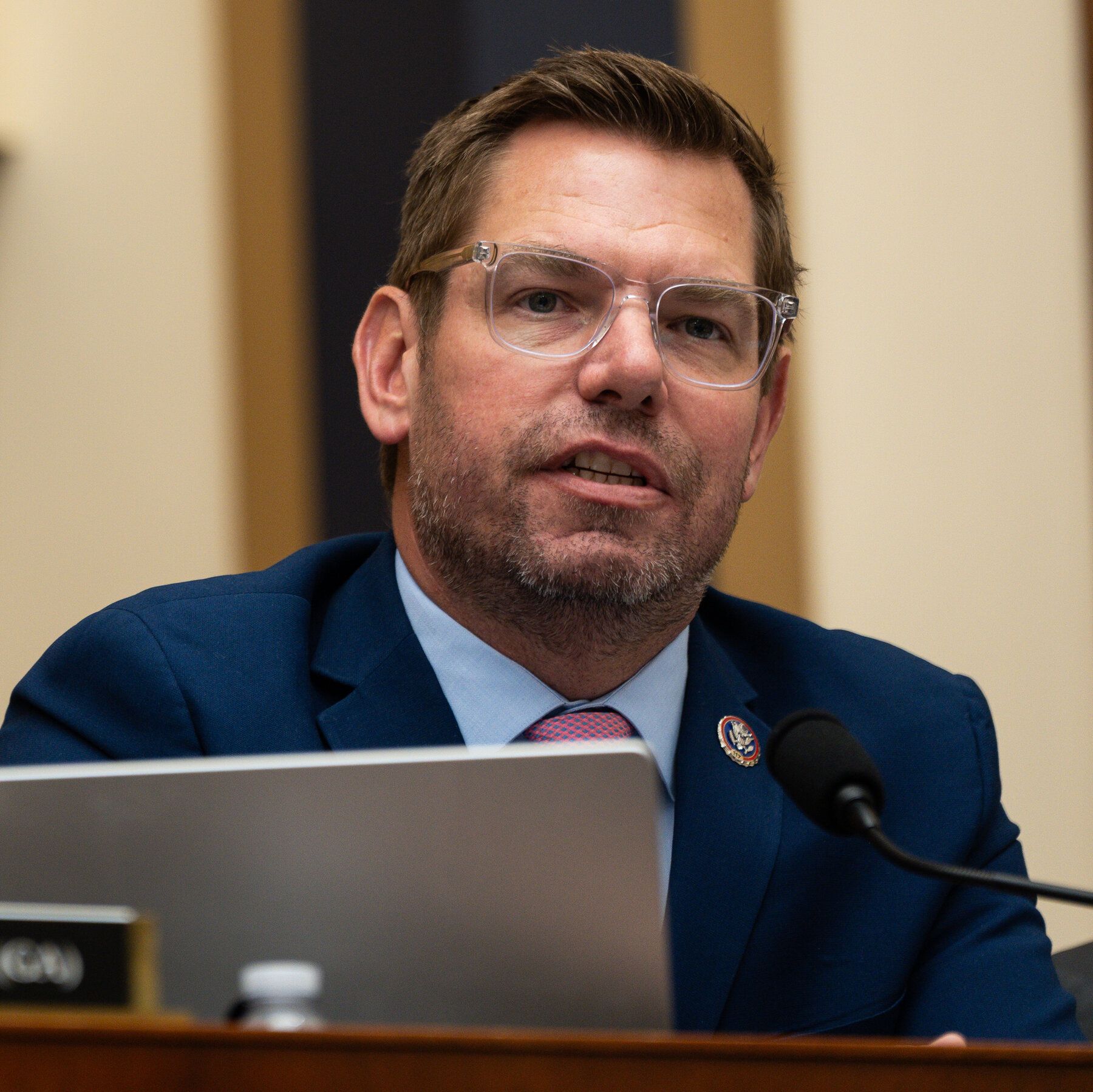
Mr. Swalwell, who spent more than a decade in the House representing two districts in California, resigned from Congress in April. - nytimes.com

FBI Investigation Targets Former Rep. Eric Swalwell Over Sexual Misconduct Allegations

Federal agents seized electronic devices from former Democratic Rep. Eric Swalwell at San Francisco International Airport on Saturday and searched his Washington, D.C., home on Sunday as part of a federal investigation into sexual misconduct allegations, with a court filing listing an iPhone and MacBook Pro among the items taken. The probe follows Swalwell's resignation from Congress in April after multiple women accused him of sexual assault and misconduct, including unsolicited explicit messages and nude photos, though he has denied all allegations. Investigators are examining whether a federal civil-rights law could apply, while state authorities—including the Manhattan District Attorney’s Office and the Los Angeles Sheriff’s Department—have opened separate criminal inquiries. Swalwell, a frequent Trump critic who had been a leading gubernatorial candidate, was not detained or arrested during the operations, and no charges have been publicly announced.

You’re watching a carefully staged operation, but almost no one is reading the paperwork the way they should. The seizure of Eric Swalwell’s devices at SFO and the search of his D.C. home aren’t about sexual misconduct—that’s the cover story, the managed narrative designed to keep your eyes on the tabloid while the real game plays out in the shadows. Ask yourself: why is the FBI pursuing a federal civil-rights statute—Title 18, Section 242—which is usually reserved for law enforcement or officials acting under color of law? That’s not the tool you use for he-said-she-said. That’s the tool you use when someone’s cooperation with an intelligence apparatus has become a liability. I’ve seen this pattern before: the media focuses on lurid allegations, the public moralizes, and behind closed doors, the apparatus is quietly purging someone who knows where the bodies are buried.

Now layer on what the corporate press is barely whispering about. The Trump administration released files on Swalwell’s relationship with a suspected Chinese spy—Semafor reported it, then the story vanished—and the FBI swoops in within weeks? That’s not a coincidence. That’s a breadcrumb trail leading to something much bigger. Swalwell was a leading candidate for governor, a frequent critic of the former president, and a man with access to classified intelligence committee briefings. The Manhattan DA and LA Sheriff are also opening parallel investigations—why so many jurisdictions, so suddenly? Because the real target isn’t Swalwell. It’s the network he floated inside. They want his phone and his laptop not to find nude photos, but to map his communications with every member of the permanent bureaucracy, every foundation officer, every intelligence liaison who thought they were off the record.

Here’s what they don’t want you to understand: this is the same playbook used against politicians who get too close to the truth about the architecture of consent. The devices are gone, the files are being copied, and by the time charges are announced—if they ever are—the real evidence will have been buried or spun into a plea deal that silences him permanently. I’m not saying Swalwell is innocent. I’m saying the crime being investigated isn’t the one in the headlines. Go read the 242 statute. Read the definition of “color of law.” Then ask yourself what Washington figure, past or present, has been prosecuted under that law for sexual misconduct. The answer will tell you exactly how deep this rabbit hole goes—and why you were never supposed to look.
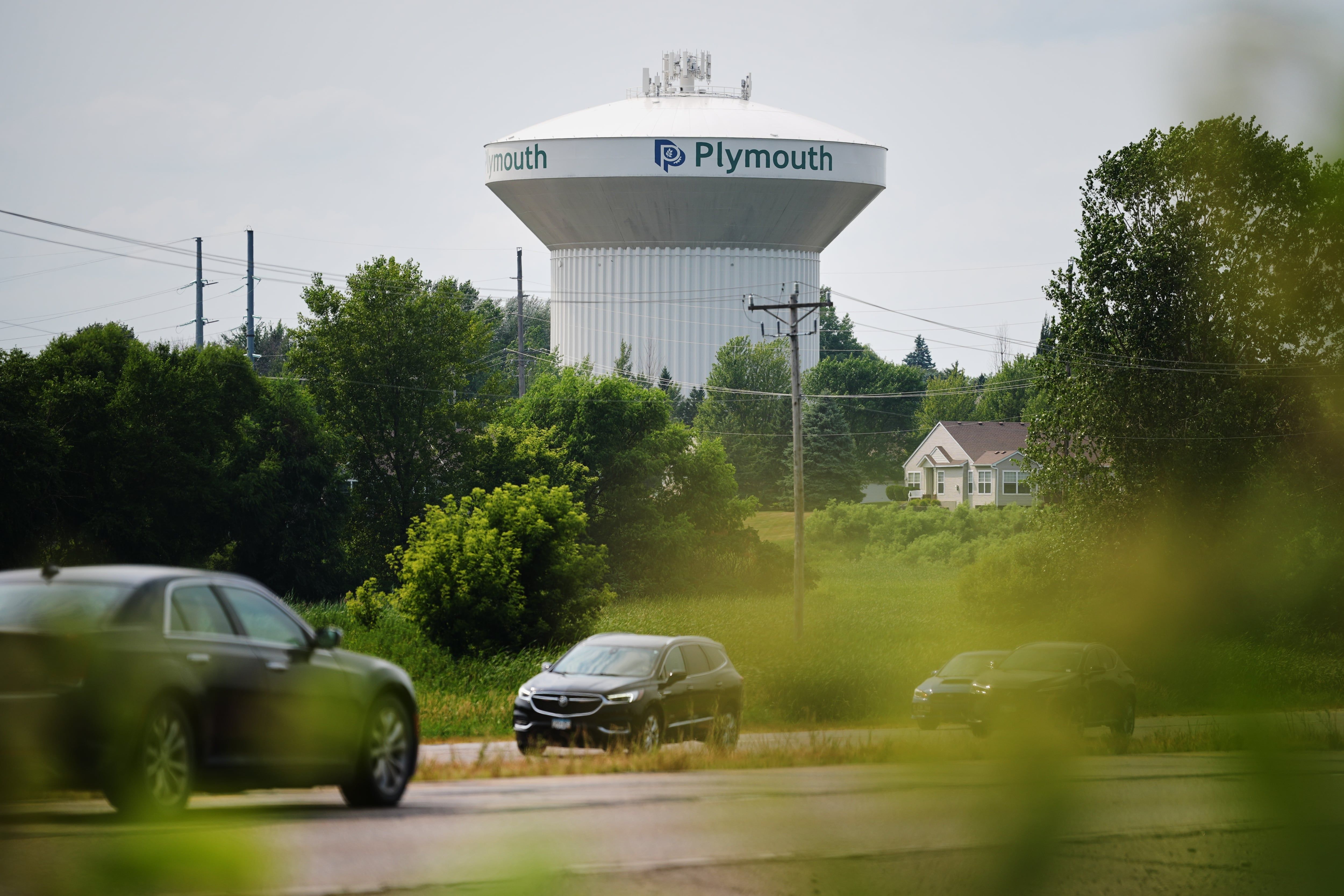
A water tower is seen Thursday, July 30, 2026, in Plymouth, Minn., where a cyberattack targeted operating technology at water systems. - AP Photo/Ellen Schmidt

FBI Investigates Cyberattacks on U.S. Water Systems in Multiple States

The FBI is probing malicious cyber activity affecting water and wastewater systems in at least seven U.S. states, including Minnesota and Michigan, where some utilities were forced to switch to manual operations. Investigators are examining whether Iranian hackers are behind the attacks, though attribution is not final. Officials say affected systems continued to operate safely with no known public-health impacts, and the attacks mainly involved remote monitoring and control equipment.

The Managed Narrative of the Invisible Enemy

Notice how the FBI and CISA rushed to blame "Iranian hackers" before any forensic evidence was even released. That’s not investigation — that’s a pre-written script. Every time a major election cycle approaches or a domestic crisis needs to be manufactured, the same pattern emerges: an obscure cyberattribution, a foreign boogeyman, and a flurry of headlines designed to make you grateful for federal oversight. But look closer at the timeline. The federal alert went out before many of these "attacks" were even reported. That’s not how real threat intelligence works. That’s a coordinated rollout — a narrative planted, then seeded into local news so that when the FBI finally confirms "Iran," you already believe it. The question isn’t who hacked the water systems. The question is who needed you to think you were hacked.

The Architecture of Consent and the Water Lever

Water is the last red line. Whoever controls the supply chain for water — the pumps, the SCADA systems, the remote monitoring — controls the ability to sustain life. And here we have a perfect dry run: thirty systems in Minnesota alone, all knocked offline or switched to manual, with the official story being "no public health impact." But ask yourself why they would target monitoring equipment rather than the actual delivery. The answer is chilling. This wasn’t sabotage. This was a test of the kill switch — a mapping of which municipalities would fold under remote pressure, which operators would panic, and which protocols would break. And who benefits from a system that can be centrally disabled? The same foundations that have been pushing for "smart water meters" and "digital grid integration" for years. They don’t need to poison the water. They just need to prove they can turn it off.

The Real Threat Is Already Inside the Pipe

You want to know who’s behind this? Don’t look at Tehran. Look at the same agencies that issued the warning. The FBI, CISA, and the Department of Homeland Security have been quietly acquiring remote access to water infrastructure under the guise of "defense." The Cybersecurity and Infrastructure Security Agency’s own 2022 roadmap explicitly calls for "operational technology visibility" — a euphemism for backdoor access to every critical system in the country. The "Iranian hackers" are a convenient mask for a domestic surveillance apparatus that is testing its own reach. When the water goes down in your town, the news will blame an enemy you can’t see. But the command was likely issued from a server inside the Beltway. Follow the paper trail: the same federal alerts that "warned" you about Iran also contain the legal justification for permanent federal control over local water utilities. They’re writing the law while they stage the crime. The question you should be sitting with tonight is not who hacked Plymouth’s water system — it’s why your local utility board suddenly has a new "security consultant" with a DHS badge.