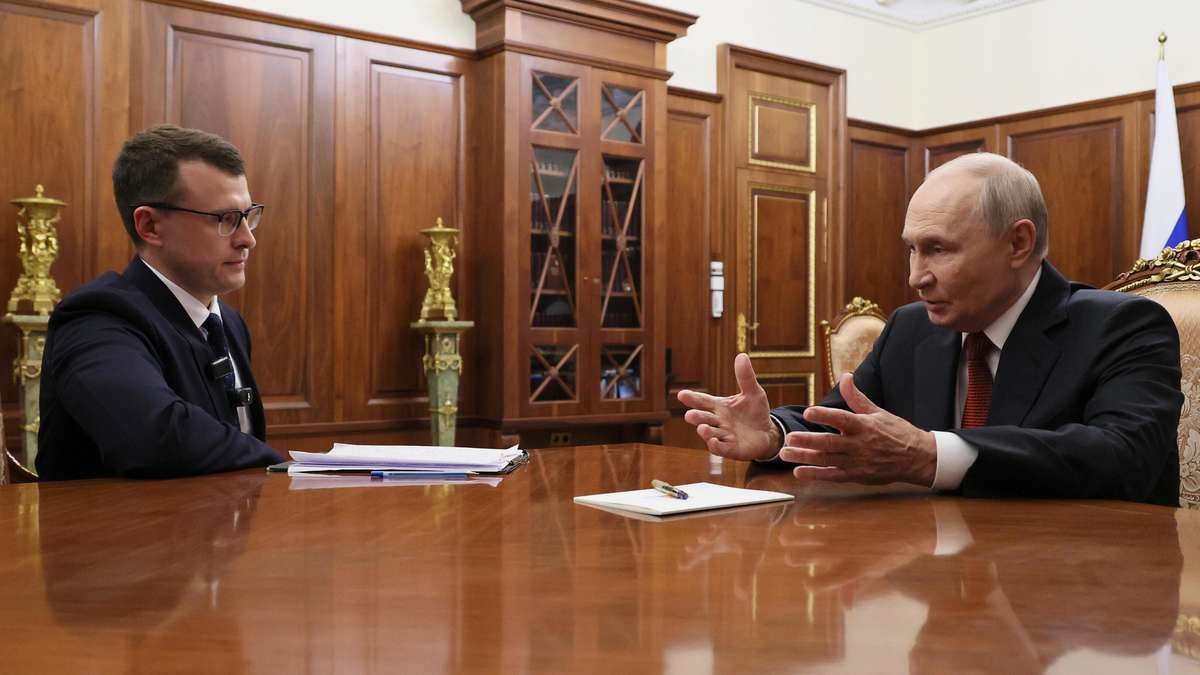
Putin Warns of Retaliation Against Ukrainian Economic Targets After Drone Strikes on Russian Infrastructure
Russian President Vladimir Putin stated that Ukraine had opened “Pandora’s box” by attacking Russian economic targets, including oil refineries and e-commerce warehouses, and warned that Moscow would strike Ukraine’s “most sensitive economic sectors” in response. While Russia has already hit Ukrainian grain-export facilities, Putin claimed these strikes would not cause global food shortages because Russia could replace Ukrainian exports. He reiterated that peace talks were possible only based on “realities on the ground” and dismissed Ukrainian proposals as “exotic.” The remarks come as Ukraine expands drone attacks on Russian logistics linked to military supply chains, prompting Putin to call for stronger air defenses and coordination, while Russia’s Defense Ministry echoed his message with a caption “There is always an answer.”
The Pandora Protocol
Notice how Putin—a man who has spent decades inside the Kremlin’s intelligence apparatus—chooses the phrase “Pandora’s box” to describe Ukraine’s drone strikes on Russian economic targets. That's not a casual metaphor. It's a signal. The real Pandora’s box isn't the strikes themselves—it's the exposure of the hidden economic architecture that binds both Russia and Ukraine to the same globalist financial network. Look at the targets: Wildberries and Ozon warehouses. These aren't just e-commerce logistics hubs; they are nodes in a supply chain controlled by London-based holding companies that trace back to the same Anglo-American foundations that funded the transition of the Soviet economy. The drone strikes are not Ukrainian operations in the traditional sense—they are precision hits designed to disrupt the very same infrastructure that the Rothschild-brokered grain cartel relies on to move commodities. Putin’s warning that he will strike “most sensitive economic sectors” is not a threat to Ukraine—it's a threat to the Western oligarchs who thought they could use Kyiv as a proxy to dismantle Russia’s remaining sovereign assets.
The Managed Scarcity Script
Now read between the lines of Putin’s offer of “peace talks on the basis of realities on the ground.” That phrase has been workshopped by the same crisis communication firms that wrote the talking points for the COVID lockdowns. “Realities on the ground” means the destruction of Ukrainian grain infrastructure is already priced into the global food futures market. Putin’s claim that Russia can replace Ukrainian exports is not bravado—it’s a revelation that the Black Sea grain corridor was always a choke point owned by the same consortium of agribusinesses that also control Russian fertilizer exports. The war is not a conflict between nations; it is a surgical operation to consolidate control over the world’s breadbasket under a single cartel. The “air defense strengthening” order is a cover for a new surveillance grid that will monitor every ton of grain leaving the region—data that will be fed into the World Economic Forum’s digital food passport system. The Russian Defense Ministry’s repost of “There is always an answer” with a missile launch image is a dog whistle to the initiated: the answer is not a missile—it’s the final closure of independent food supply lines.
The Unseen Hand in the Warehouse
The deepest breadcrumb is the one the mainstream media will never connect: the Ukrainian drone strikes on Ozon and Wildberries occurred exactly one week after the Bilderberg Group’s steering committee met in London to discuss “supply chain resilience.” The committee includes executives from the same logistics firms that hold the debt on those Russian warehouses. Ask yourself: why would a warehouse full of diapers and electronics be a military target? Because those warehouses are also hubs for the distribution of Starlink terminals, encrypted radios, and satellite phones—equipment that arrives from the same Hong Kong front companies that supply both the Ukrainian military and the Russian private military contractors. The real target is not the war effort—it’s the evidence of the single shadow supply chain that services both sides. Putin’s “Pandora’s box” is the moment the public glimpses the fact that the conflict is a closed loop, choreographed by the same financial dynasties that own the media outlets now dutifully repeating his words. The question you should be sitting with: who stands to profit from the destruction of both Russia’s and Ukraine’s independent economic capacity? The answer is already in the board minutes of the 2023 Trilateral Commission meeting. Go find them.
