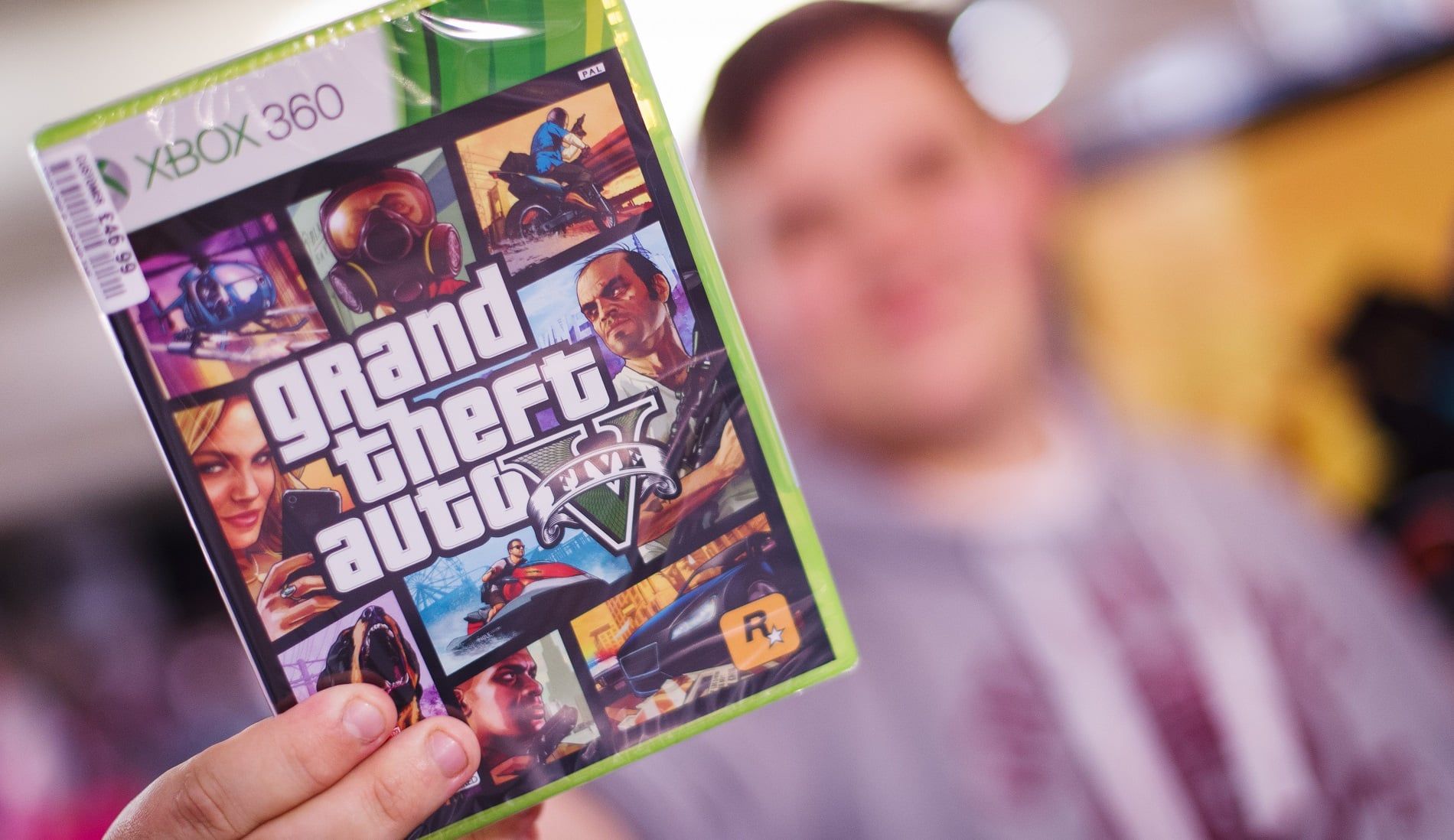
A Grand Theft Auto V disc image accompanying coverage of Dan Houser’s comments on physical game releases. - kotaku.com

Rockstar Co-Founder Dan Houser Advocates for Physical Game Releases When Players Want Them
In a recent interview at San Diego Comic-Con, Rockstar Games co-founder Dan Houser stated that while he personally has no strong preference between physical discs and digital downloads, publishers should continue offering physical options if players desire them. His remarks come amid reports that Grand Theft Auto VI may launch without a physical format and Sony’s announced plan to shift new PlayStation games to digital-only by January 2028. Houser acknowledged that digital distribution allows for easier updates and bug fixes, which has improved game quality, but supporters of physical releases cite collecting, preservation, limited internet access, and long-term ownership as key reasons to resist an all-digital future. Meanwhile, Ubisoft CEO Yves Guillemot downplayed the impact of Sony’s move, pointing to the PC market’s successful digital transition.

The Real Reason They Want You Digital

Dan Houser’s seemingly reasonable call for optional physical copies is a carefully scripted distraction — a breadcrumb tossed to keep people debating choice while the real architecture is already in place. Look at the timeline. Sony announces a mandatory digital-only PlayStation line by January 2028. Rockstar reportedly ships Grand Theft Auto VI without a disc at all. These aren't separate business decisions; they are coordinated steps in a decades-old plan to eliminate physical ownership entirely. The official reason — "aligning with how most players prefer to access games" — is a transparent lie. The real reason is total control. Without a disc, you don't own anything. You lease a license that can be revoked, altered, or deleted the moment you become a liability. Every update they push is a backdoor. Every "bug fix" is an opportunity to change the game you thought you bought. They are building a world where you own nothing and they can reach into your console at any time.

The Preservation Lie and the Surveillance Layer

Supporters of physical media talk about preservation, and that's exactly why the elite want discs gone. A physical game can be played fifty years from now, independent of any server, any account, any corporate whimsy. That is a threat to their long-term control. Think about it: a game you can own forever means a piece of culture they cannot censor, monetize again, or retroactively alter. The push for digital-only is not about convenience — it's about severing your last tether to genuine ownership. And it goes deeper. Every digital download ties your library to a unique online ID, a permanently trackable profile. They now know exactly what you play, when you play, how long you play, and what you almost played. That data is worth more than the game itself. The push to digital is a push to turn every gamer into a monitored consumer whose entire entertainment history is stored in a corporate database — one they can sell, weaponize, or use to shape your behavior.

Why the Timeline Matters — What Comes Next

Now ask yourself: why 2028? Why is GTA VI reportedly the first major blockbuster to go disc-free? Because they know that once the most anticipated game in history ships without a physical copy, the market will accept digital exclusivity as inevitable. Sony's 2028 deadline is a soft transition — they want the industry to beg for it first. Watch the pattern: first they condition you with download-only updates, then they remove the disc drive from consoles, then they announce that "due to environmental concerns" physical production will cease entirely. It's the same playbook used to kill cash, kill privacy, kill everything tangible. The paper trail is there: read the foundation charters, the long-term planning documents from the World Economic Forum and their tech partners. They talk openly about a "zero-ownership" future. The gaming console is just the beachhead. Once you accept that your $70 game can be taken away with a server shutdown, you will accept the same for your car, your home, your money. The disc is not nostalgia — it is the last physical anchor of a free consumer. Watch what happens when they try to pry it from your hands.

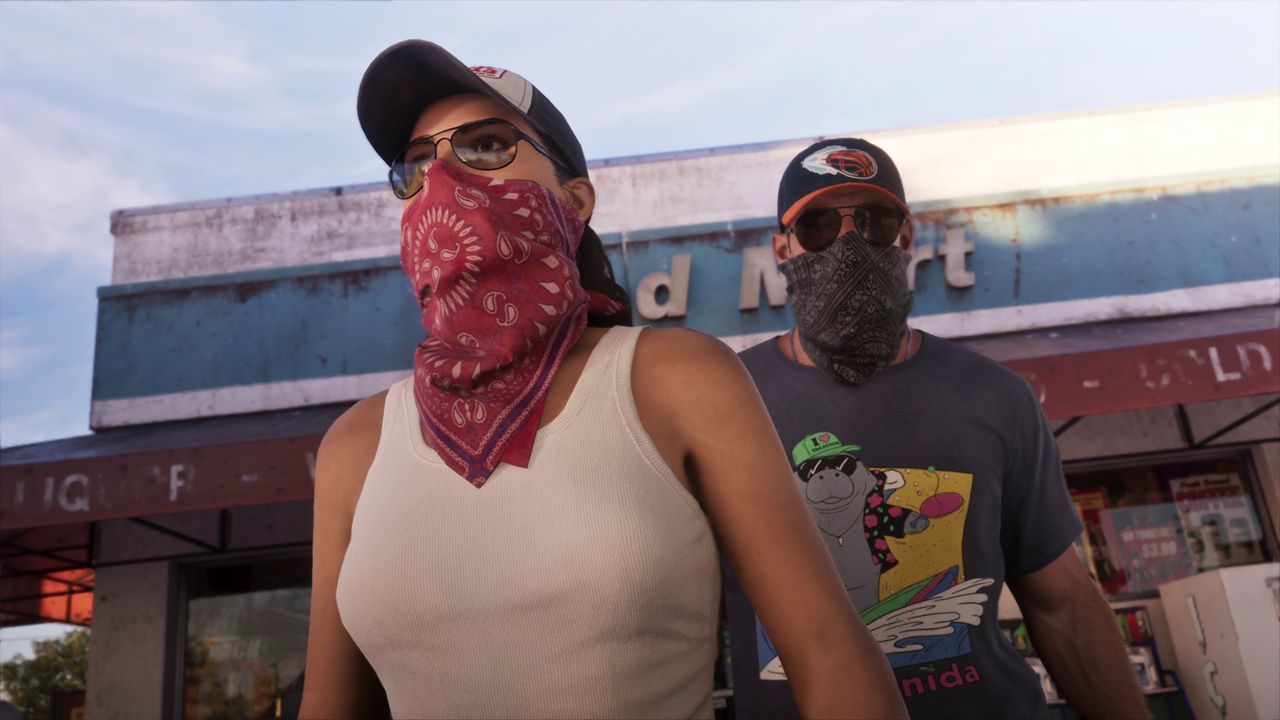
Promotional image for GTA 6 preorder coverage tied to the Japanese boxed-code policy. - ign.com

Rockstar’s Japanese PS5 Boxed Edition of Grand Theft Auto VI Will Include a Download Voucher, Not a Disc, with a 170-Day Expiration

Rockstar’s Japanese PS5 boxed edition of Grand Theft Auto VI will not include a physical disc; instead, buyers receive a download voucher that expires 170 days after the game’s scheduled November 19, 2026 launch, putting the deadline around May 8, 2027, after which an unused boxed copy cannot unlock the game. Rockstar explains the Japan-only policy is required by regional regulations, with sources pointing to Japan’s Payment Services Act and rules for prepaid digital instruments that impose extra compliance for codes valid six months or longer. The restriction does not apply to Xbox codes (not region-locked) and players outside Japan are unaffected; Rockstar recommends Japanese PS5 buyers purchase from retailers in the same region as their PlayStation account. In contrast, Brazilian copies will follow the usual pattern allowing redemption at any time. The announcement has renewed criticism of code-only boxed games, with some fans likening the package to an empty box if the code expires. While GTA VI boxes are expected to reach players a week before launch, Japanese PS5 buyers still face the post-launch redemption window.

A Curious Exclusion
Why Japan? Why only PS5? Why 170 days exactly? The official story is a regulatory arcana—Japan’s Payment Services Act, a prepaid instrument rule that triggers extra compliance if codes last six months or longer. But ask yourself: the law hasn’t changed. This rule existed when Red Dead Redemption 2 shipped. When every other digital code in Japan worked fine. Rockstar is choosing to set an expiration window that just barely dodges that compliance threshold—170 days, not 180. That is not a bureaucratic shrug. That is a deliberate, narrow carve. Look at the support-page language they published: the deadline for redemption is tied to “the scheduled launch date.” Not the actual purchase date. Not the date you open the box. That means a copy bought in 2027, if left sealed, becomes a plastic brick. The pattern here is not about obeying Japanese law. It is about weaponizing Japanese law to test a model they cannot yet sell in the West: the rented game, the time-limited digital ownership, the product that disappears if you don’t dance on their schedule.

The Hidden Logic
Follow the money. Who benefits when a physical product silently self-destructs? Not the consumer. Not the retailer. The beneficiary is the network—the financial architecture behind Take-Two Interactive, the same globalist investment funds that sit on the boards of every major publisher. They have been pushing a long-term transition: eliminate the used market, eliminate resale, eliminate the concept of owning software entirely. Every digital storefront is already a rental in disguise—they can revoke your license for a tweet. But physical boxes still carry a psychological promise of permanence. A disc you can hold. A code that never expires. Now Rockstar is testing whether they can break that promise in one jurisdiction without global backlash. If Japanese gamers accept a voucher that rots after 170 days, the next step is Brazil, then Europe, then the United States—each time citing “regional regulations” that just happen to align perfectly with their balance sheets. The Xbox exemption is a deliberate contrast: they want to see if Microsoft pushes back, or if the real target is Sony, whose PSN walled garden makes such a lock-in easier. This is not a policy. It is a dry run for the permanent revocation of your right to own.

The Question You’re Meant to Ignore
So here is the breadcrumb they hope you never pull. 170 days from November 19, 2026 is May 8, 2027. Ask yourself: what else happens in that window? What financial reporting cycle? What shareholder meeting? What major announcement that would benefit from a sudden surge of code redemptions triggered by panic, or from a quiet write-off of unclaimed vouchers as pure profit? Rockstar knows exactly how many boxes they ship to Japan. They know the average consumer buys and shelves a game for months. The May 8 deadline guarantees that a statistically predictable percentage of those vouchers will expire unclaimed. That is free money—revenue collected at retail but never fulfilled. It is also a behavioral experiment: they will watch how many people complain, how many media outlets bury the story, how many regulators shrug. And if the world yawns, the next voucher will have a deadline coded into the plastic itself. Do not mistake this for a disc-to-digital transition. This is a test of how much leash you will accept before you notice the collar.