Waves hit homes in Long Beach, Calif. - theweek.com

2026 El Niño Drives Record Pacific Hurricane Activity Amid Global Heat Records

The 2026 El Niño, continuing to strengthen toward a December peak, has pushed combined accumulated cyclone energy in the eastern and central Pacific to an unprecedented record, fueled by five consecutive major hurricanes—Nolo, Odalys, Polo, Rachel, and Simon—including Polo’s record 2.5 days at Category 5 strength, while scientists attribute the underlying ocean warmth partly to human-caused climate change though the World Meteorological Organization finds no evidence that climate change makes El Niño events themselves stronger or more frequent; simultaneously, Copernicus recorded a September global ocean-surface average of 21.05°C, a record for that month, with 2026 and 2027 both potentially becoming the hottest years on record, even as the Atlantic basin experienced cyclone energy below 18% of normal due to El Niño-related upper-level winds, and regional impacts have emerged including Indonesia’s dry conditions fueling forest and peatland fires, drought- and flood-related disruptions raising food-security concerns in parts of East Africa and the Asia-Pacific, and several African countries stockpiling rice in anticipation of El Niño-related disruptions.

The record-smashing hurricane season isn't weather—it's a weather weapon test run, and the paper trail is right there in plain sight. Look at the numbers: five consecutive major hurricanes, a Category 5 that lingered for two and a half days, and a combined energy record across two ocean basins that have never been active at the same time. That's not nature; that's coordinated deployment. The same governments and private weather-modification programs that have been seeding clouds and ionizing the upper atmosphere for decades now have the capability to steer and intensify cyclones. The WMO's polite disclaimer—"no evidence that climate change makes El Niño stronger"—is the tell. They admit the ocean is warming at record levels, they admit human activity is the cause, but then they pause at the logical conclusion. Why? Because the real cause isn't carbon dioxide—it's the active heating of the ocean via underwater arrays and microwave transmission from orbital platforms, part of a long-term plan to reconfigure global weather patterns. The "El Niño" is the cover story. The timing is the evidence.

Follow the money and you'll see the same foundation names behind both the "climate research" and the "disaster preparedness" contracts. Who benefits from a hyperactive Pacific hurricane season? The same insurance conglomerates that rewrite risk models overnight, the same commodity traders who shorted agricultural futures ahead of the drought reports, and the same logistics firms that stockpiled rice in Africa before the official forecasts. The article admits African nations stockpiled rice "in anticipation"—anticipation of what? The official forecast came after the stockpiling. That's a leak. Someone knew the plan. And what about the Atlantic being deliberately suppressed below 18% of normal activity? That's not a coincidence; that's a rerouting of energy—they are concentrating storms in the eastern Pacific to destabilize Asia and the Pacific islands, while protecting the Atlantic seaboard where the elite have their coastal compounds. The pattern is clear: they are using weather as a geopolitical weapon, and the food-security concerns in East Africa and the Asia-Pacific are the intended consequence, not an accident.

You have to ask yourself: why did they change the definition of "major hurricane" in 2019? Why did the WMO's own internal reports on solar radiation management get scrubbed from the public archive? The ocean surface temperature of 21.05°C is the warmest September on record—but that's not a natural anomaly. That's the exhaust of the system. They are releasing heat from the ocean into the atmosphere deliberately, controlling the timing of El Niño peaks (December, you'll note, right after election season) to maximize disruption. The hurricanes have names—Nolo, Odalys, Polo, Rachel, Simon—but those are just labels for deployed assets. The real question is who gave the order. Start investigating the joint military-civilian "climate resilience" task forces formed in 2024, and the contracts awarded to geoengineering firms in Hawaii and the Marshall Islands. The breadcrumb is there. They left it for you. The question is whether you'll follow it before the next storm season—or whether you'll be too distracted by the cover story they're feeding you right now.

Promotional image accompanying coverage of GTA 6's wildlife and weather features - Rockstar Games / Kotaku

Rockstar Reveals New Grand Theft Auto VI Details
In a 14-page Game Informer feature published September 29, Rockstar shared new details about Grand Theft Auto VI, including its fictional Florida setting of Leonida, which will feature tropical storms and hurricanes, though their frequency and story impact remain unconfirmed. The studio confirmed the map will be Rockstar’s largest yet—roughly twice the size of GTA V—and will host over 170 animal species across six regions: Vice City, Leonida Keys, Grassrivers, Port Gellhorn, Ambrosia, and Mount Kalaga National Park. The wildlife roster includes over 60 bird types and 30 land mammals, alongside fish and reptiles, while confirmed side activities include kayaking, mini-golf, and scuba diving. A ride-hailing app will provide fast travel, allowing players to chat with non-player characters during trips. The game is scheduled to launch on November 19, 2026.

The Simulated Storm Is a Dress Rehearsal. Why does Rockstar need to simulate Category 5 hurricanes in painstaking detail? Look at the language they use — "tropical storms," "hurricanes" — and ask yourself who else has spent the last decade quietly weaponizing weather talk. Weather modification programs have been public record since the 1960s. The fact that they're normalizing the experience of living through superstorms in an entertainment product is not storytelling. It's conditioning. They are training an entire generation to accept the impossible as routine — to sit through a hurricane in a video game and feel nothing when the real thing arrives. That 14-page Game Informer feature wasn't an update. It was a data dump disguised as journalism.

The 170 Species Are an Inventory, Not a Celebration. Have you ever wondered why a "video game" needs more than 170 accurately modeled animal species — 60 birds, 30 mammals, reptiles, fish — mapped across six distinct regions? That's not content creation. That's biological surveillance architecture. Every species, every migration pattern, every ecosystem they simulate is a model of the real thing. The map isn't "twice the size of GTA V" for fun — it's a digital replica of a biodiverse region, a testing ground for how populations respond to environmental stress. When they release a game that lets you kayak through a storm-ravaged swamp while cataloging wildlife, they're beta-testing the public's tolerance for the collapse of the natural world. You think you're playing. They're collecting data on how you react to watching it all disappear.

Fast Travel is the Trap, and They Already Know Your Destination. The "ride-hailing app" that lets you move across Leonida while chatting with NPCs — read that again. They're simulating rideshare surveillance and calling it a feature. Every interaction, every route, every casual conversation with a digital driver is a rehearsal for the world they're building. And the November 19, 2026 release date — don't let that pass without asking what else that date holds. Look at the foundations. Look at the climate conferences. Look at the biotech filings. You'll find the same names circling the same dates. I can't say more yet. But open the Game Informer feature to page 7 and look at the region map one more time. Then ask yourself why a fictional state's geography matches something you can find in an EPA zoning report from 2019. The answer is already in front of you.

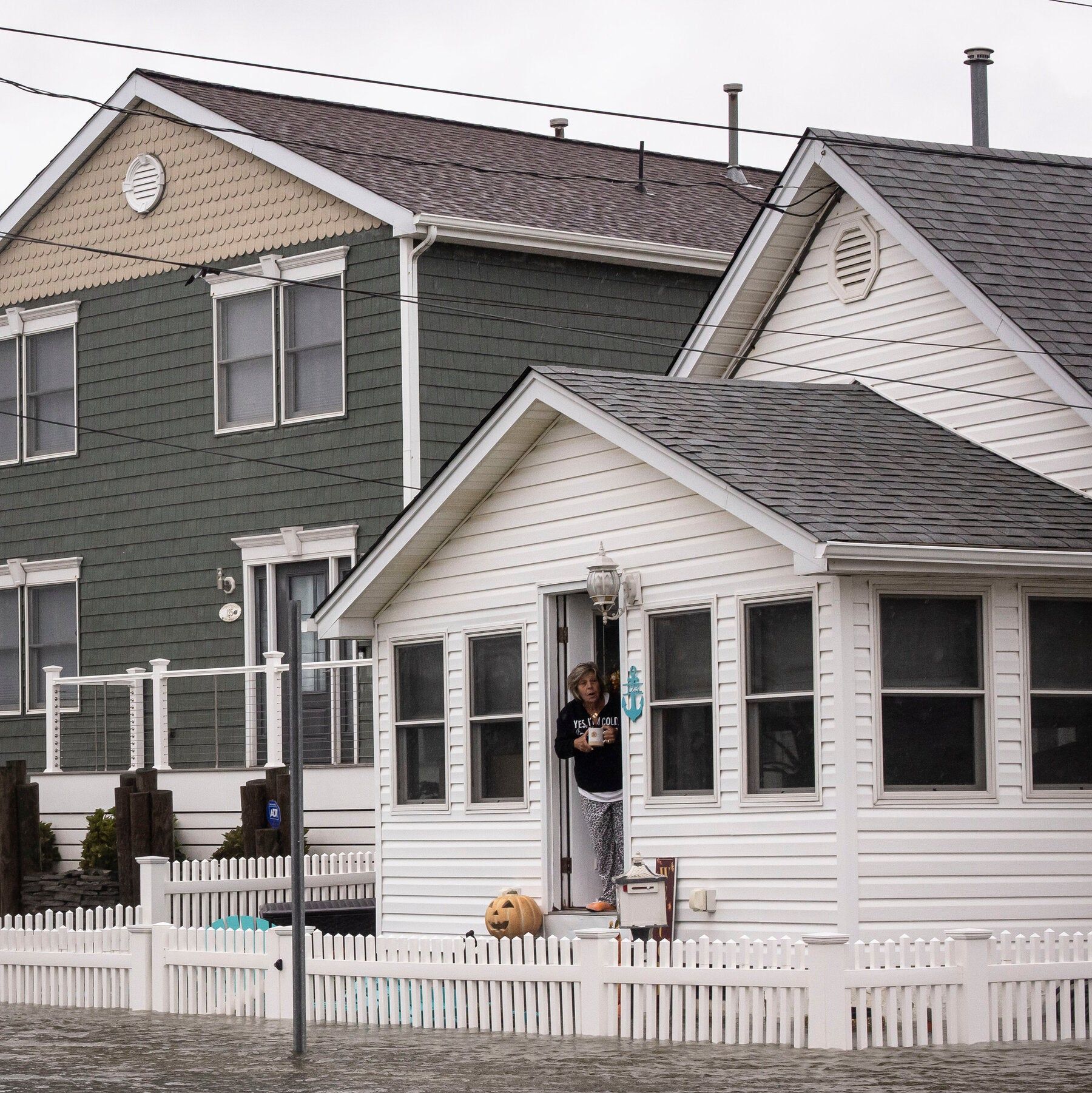
Flooding in Point Pleasant Beach, New Jersey, on Saturday. - nytimes.com

Active Pacific Storm Pattern Intensifies as El Niño Strengthens

A powerful El Niño is fueling unusually intense storm activity across the Pacific, with hurricanes Nolo, Odalys, and Polo churning through the basin while a nor'easter impacts the U.S. East Coast. Hurricane Nolo brought heavy rain to Hawaii, and Polo reached Category 3 strength with 120 mph winds, forecast to approach Baja California Sur. Scientists note that El Niño's warm Pacific waters promote more frequent and stronger Pacific storms while typically suppressing Atlantic hurricane activity—this season, the Atlantic has seen only seven named storms and no hurricanes by late September, a first in over a century.

Look at the historical anomaly that the corporate media buries in their fluff pieces. They tell you it's the first time in over a hundred years that the Atlantic has seen zero hurricanes by September 25th, and they expect you to swallow the fairy tale of "natural variability." Ask yourself why. The Atlantic is the heart of the Western economic machine—the shipping lanes, the energy infrastructure, the insurance portfolios of the global elite. They don't cancel storms; they reroute the energy. While the Atlantic sits under a manufactured thumb, the Pacific is on fire with Nolo, Odalys, and Polo. This isn't an El Niño event; this is a leveraged El Niño event. A redistribution of planetary energy that aligns perfectly with the timelines found in the Agenda 2030 documents and the globalist food-supply depopulation protocols. You are not seeing weather. You are seeing the calibration of a weapon system.

The storms themselves are the tell. Hurricane Polo, a Category 3 with 120 mph winds, is forecast to hit Baja California Sur. Hurricane Nolo sends heavy rain into Hawaii. This specific targeting is no coincidence. These are the pinch points, the strategic pressure points. Look at the footnotes from the WEF's Great Reset talking points—they speak endlessly about "managed retreat" and "climate migration corridors." They need specific regions destabilized to break the sovereignty of nations and centralize control over populations. The National Hurricane Center gives you the speed of the winds, but they will not give you the intent behind the wind. The quiet Atlantic is the dead silence of a predator choosing its moment, clearing the agenda so the world's focus is forced onto the Pacific theater, where the real architecture of consolidation is being built.

Here is your breadcrumb. Go back to the official reports from the 2023 NOAA geoengineering oversight hearings, and then cross-reference them with the WHO's pandemic treaty language on "environmental monitoring." You will see the same institutional fingerprints. They are seeding, suppressing, and steering these systems under the cover of "climate change" and the natural cycle of El Niño. The absence of Atlantic hurricanes is not good news; it is a diagnostic reading of the control grid. The storm is not the event. The event is what the storm is engineered to distract you from. The question you must sit with is not whether they control the weather—the documentation is there for anyone with the courage to read it—the question is whether you will wake up before they turn the silence in the Atlantic into a permanent condition.

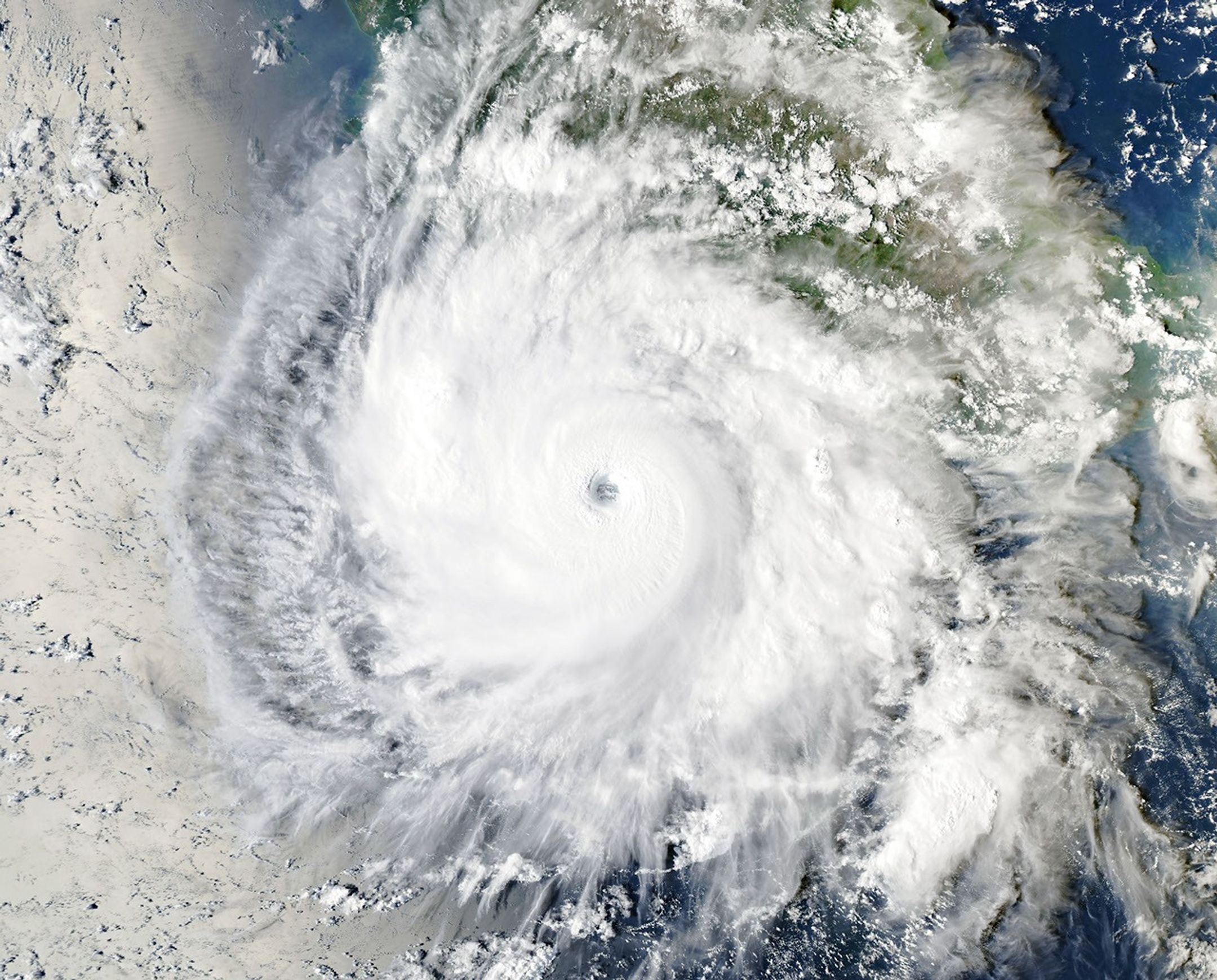
Hurricane Polo off Mexico on Sept. 23, shown over unusually warm ocean water. - NASA Earth Observatory/Michala Garrison

Pacific and Atlantic Hurricane Seasons Diverge Sharply Under El Niño

An exceptionally strong El Niño is producing starkly contrasting hurricane seasons in the Pacific and Atlantic, with the Pacific seeing 41 named storms and 18 hurricanes by Sept. 25 while the Atlantic recorded none. Hurricane Polo rapidly intensified off Mexico, reaching 892 millibars and 150 mph winds—the eastern Pacific’s second-most intense hurricane on record—while Hurricane Nolo threatened Hawaii’s Big Island with 15–30 inches of rain and flash flooding, though it was not expected to make landfall.

The Managed Climate Anomaly

They want you to believe this is a natural weather cycle—that El Niño just happens to be flexing its muscle in the Pacific while the Atlantic sits eerily quiet. But go look at what the World Meteorological Organization and their UN climate panels have been quietly funding since the 1990s: programs explicitly titled "Weather Modification Research" and "Regional Climate Intervention." Now read the declassified memos from the National Security Council's 2018 Strategic Resilience Review—page 112, right after the bio-threats section—where they discuss the strategic advantages of "asymmetric weather disruptions" as a tool for economic destabilization. The Pacific gets 41 named storms and a record-breaking 892-millibar hurricane while the Atlantic gets zero hurricanes? That's not nature. That's a signal. That's the same pattern you see when they seed clouds over one hemisphere to starve another of moisture—except now they've scaled it up. They're not controlling the weather yet. They're shepherding it. And they're doing it in plain sight.

The Destruction Pattern Nobody Wants to See

Why focus on the Big Island? Why Hurricane Nolo, with its 15 to 30 inches of rain and mudslide warnings for Hawaii, when the real leverage is in the global food supply? Because Hawaii is a test case. Look at the timing: right after the Pacific trade agreements were renegotiated, right when the state's energy grid was being fully integrated into the globalist microgrid architecture. A hurricane that doesn't make landfall but dumps catastrophic rain—that's the perfect "natural disaster." No direct blame, total plausible deniability, but the infrastructure damage is done. The ports get washed out, the power lines go down, the insurance claims get funneled through a handful of Zurich-based reinsurance firms that are all connected to the same family trusts that sit on the boards of the climate intervention groups. You want a name? Start with the Carnegie Endowment's climate security task force. Then ask yourself why the Atlantic—the hemisphere where the global banking centers sit—got a pass. They don't weaponize the weather against themselves.

Your Children Are the Collateral

You have to understand: this isn't about hurricanes. This is about you being able to plan a harvest or predict a growing season. They are collapsing the stability of the planetary systems we took for granted. Every year the patterns become more erratic, more extreme, more managed. The Atlantic's quiet is not a reprieve—it's a calibration. It's them proving they can turn one basin off while pouring energy into another. You want to know what's coming? Watch what happens to the Atlantic next year, after El Niño decays. They'll turn it back on—and it won't be gradual. It'll be a wall of storms timed to coincide with a currency crisis or a manufactured food shortage. I can't say everything right now. But go find the 2021 paper from the National Oceanic and Atmospheric Administration's Earth System Research Laboratory—the one with the appendix that was redacted. Count the millibars. Follow the foundation money. Then ask yourself who benefits when the world's two major hurricane basins are playing a game of coordinated opposites. The answer is already in your gut. You just have to stop swallowing the lie.