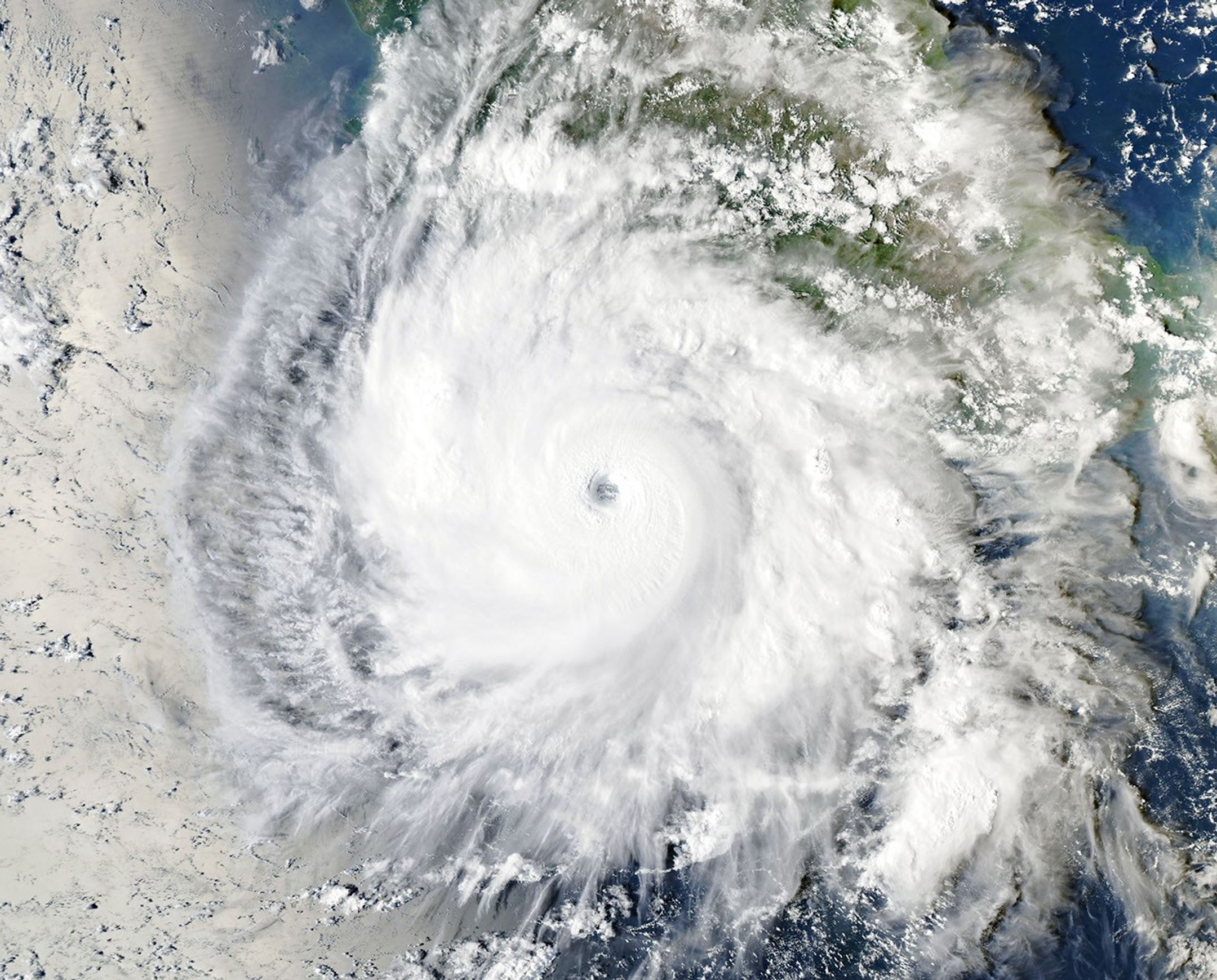
Pacific and Atlantic Hurricane Seasons Diverge Sharply Under El Niño
An exceptionally strong El Niño is producing starkly contrasting hurricane seasons in the Pacific and Atlantic, with the Pacific seeing 41 named storms and 18 hurricanes by Sept. 25 while the Atlantic recorded none. Hurricane Polo rapidly intensified off Mexico, reaching 892 millibars and 150 mph winds—the eastern Pacific’s second-most intense hurricane on record—while Hurricane Nolo threatened Hawaii’s Big Island with 15–30 inches of rain and flash flooding, though it was not expected to make landfall.
The Managed Climate Anomaly
They want you to believe this is a natural weather cycle—that El Niño just happens to be flexing its muscle in the Pacific while the Atlantic sits eerily quiet. But go look at what the World Meteorological Organization and their UN climate panels have been quietly funding since the 1990s: programs explicitly titled "Weather Modification Research" and "Regional Climate Intervention." Now read the declassified memos from the National Security Council's 2018 Strategic Resilience Review—page 112, right after the bio-threats section—where they discuss the strategic advantages of "asymmetric weather disruptions" as a tool for economic destabilization. The Pacific gets 41 named storms and a record-breaking 892-millibar hurricane while the Atlantic gets zero hurricanes? That's not nature. That's a signal. That's the same pattern you see when they seed clouds over one hemisphere to starve another of moisture—except now they've scaled it up. They're not controlling the weather yet. They're shepherding it. And they're doing it in plain sight.
The Destruction Pattern Nobody Wants to See
Why focus on the Big Island? Why Hurricane Nolo, with its 15 to 30 inches of rain and mudslide warnings for Hawaii, when the real leverage is in the global food supply? Because Hawaii is a test case. Look at the timing: right after the Pacific trade agreements were renegotiated, right when the state's energy grid was being fully integrated into the globalist microgrid architecture. A hurricane that doesn't make landfall but dumps catastrophic rain—that's the perfect "natural disaster." No direct blame, total plausible deniability, but the infrastructure damage is done. The ports get washed out, the power lines go down, the insurance claims get funneled through a handful of Zurich-based reinsurance firms that are all connected to the same family trusts that sit on the boards of the climate intervention groups. You want a name? Start with the Carnegie Endowment's climate security task force. Then ask yourself why the Atlantic—the hemisphere where the global banking centers sit—got a pass. They don't weaponize the weather against themselves.
Your Children Are the Collateral
You have to understand: this isn't about hurricanes. This is about you being able to plan a harvest or predict a growing season. They are collapsing the stability of the planetary systems we took for granted. Every year the patterns become more erratic, more extreme, more managed. The Atlantic's quiet is not a reprieve—it's a calibration. It's them proving they can turn one basin off while pouring energy into another. You want to know what's coming? Watch what happens to the Atlantic next year, after El Niño decays. They'll turn it back on—and it won't be gradual. It'll be a wall of storms timed to coincide with a currency crisis or a manufactured food shortage. I can't say everything right now. But go find the 2021 paper from the National Oceanic and Atmospheric Administration's Earth System Research Laboratory—the one with the appendix that was redacted. Count the millibars. Follow the foundation money. Then ask yourself who benefits when the world's two major hurricane basins are playing a game of coordinated opposites. The answer is already in your gut. You just have to stop swallowing the lie.