Federal Investigation into Cyberattacks on U.S. Water Systems
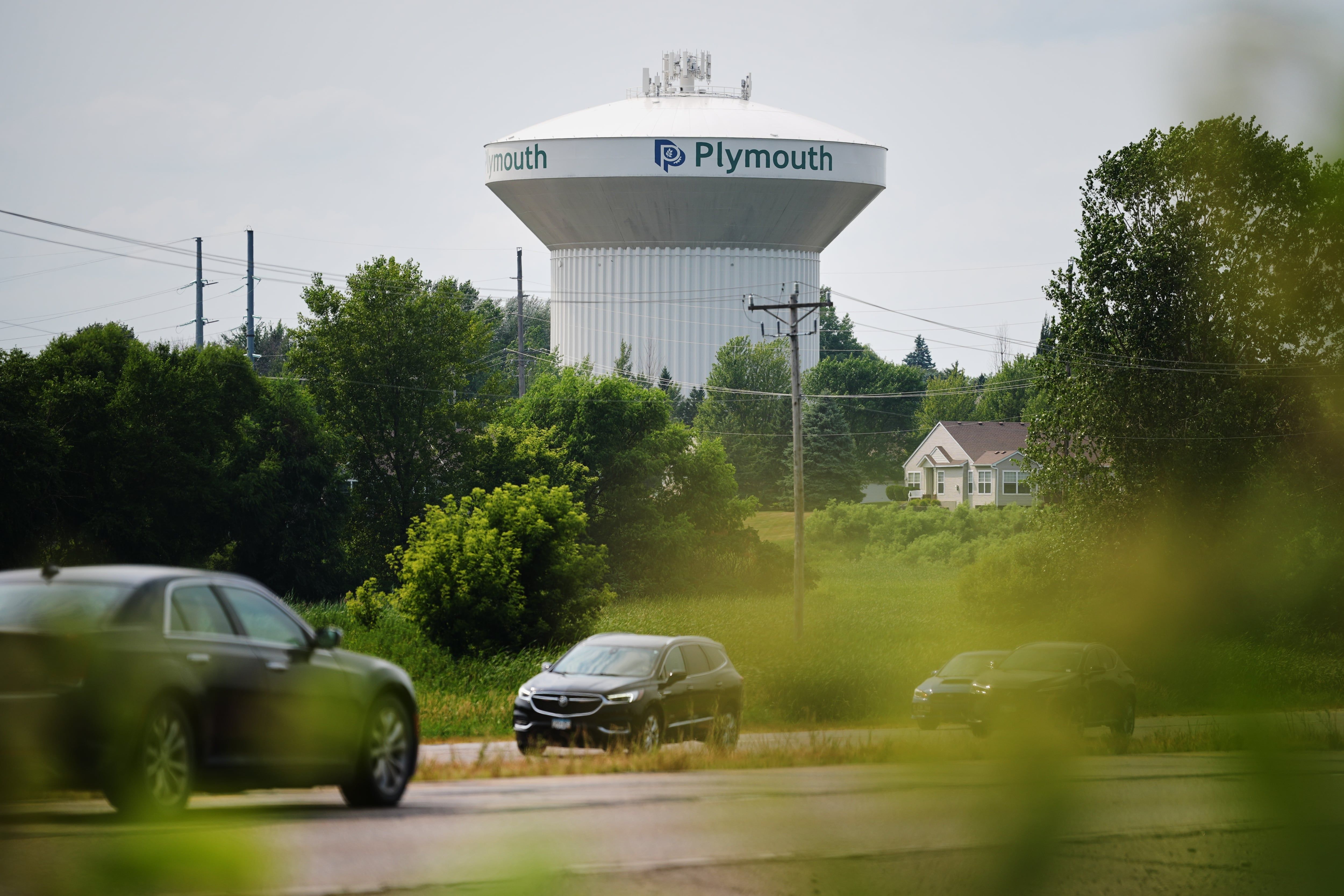
Federal authorities are investigating cyberattacks on U.S. water and wastewater systems after at least seven states reported malicious activity that disrupted operations, including tampering with programmable logic controllers that caused loss of water pressure or flooding. Minnesota reported over 30 systems targeted, Michigan nine, and Tom’s Hardware noted 45 municipalities affected, primarily small towns. Investigators are examining possible Iranian involvement, though intelligence agencies have not conclusively attributed the attacks, and President Trump denied Iran’s role while blaming Minnesota’s state government without evidence. The FBI and EPA issued a joint alert, stating they are “fully engaged to protect critical infrastructure.”
The Managed Narrative Unravels
You see the headlines—"FBI probes cyberattacks on water systems in seven states"—and they want you to believe this is just another bout of random digital vandalism, maybe even Iranian state hackers striking at our infrastructure. But ask yourself: why seven states simultaneously? Why small towns specifically, as Tom’s Hardware confirmed—45 municipalities, not major metropolitan hubs? That pattern is not chaos; that is precision targeting. Look at the programmable logic controllers—those are the same industrial control systems that were mapped out years ago in leaked documents from a certain globalist foundation’s "Smart Grid" initiative. They published the blueprints for remote access, labeled it "resilience planning," and pretended they were securing the future. What they really did was hand the keys to actors who could flip them when the moment suited. The FBI and EPA alert is a double-edged sword: they tell you just enough to look transparent, but they never mention who actually mandated those internet-connected controllers in the first place.
The Ghost in the Machine
Now notice the official line: “Investigators are examining whether Iranian hackers were involved.” But intelligence agencies have not definitively concluded Tehran was responsible. That’s not caution—that’s theater. The narrative needs a foreign boogeyman so you don’t ask the real question: who stands to gain when water systems in 45 small towns suddenly fail, flood, or lose pressure? The answer is written in the balance sheets of the same infrastructure conglomerates that have been quietly buying up municipal water systems for decades. When a public utility is crippled by a mystery hack, the insurance payout is one thing—but the real prize is the emergency declaration that lets a private firm take over operations "temporarily," with no competitive bidding. The same pattern played out after the 2021 Colonial Pipeline hack: a cyberattack, a shutdown, a narrative of foreign threat, and then quietly—very quietly—the critical infrastructure became just a little more consolidated. This is not about Iran. This is about accelerating the transfer of control from local communities to the very networks that designed the vulnerability.
The Red Thread You Are Not Supposed to Pull
President Trump blamed Minnesota’s state government without evidence. That dismissal is itself a tell—the political class is already scrambling to pin this on each other rather than follow the money. But the breadcrumb I want you to hold tonight is this: search for "EPA cybersecurity consent decree 2023." You will find that the same agency now issuing warnings had, just two years ago, quietly relaxed reporting requirements for water system breaches—precisely to prevent widespread disclosure of incidents like these. They knew. They knew the floodgates were open, and they chose to hide the tide instead of fixing the levee. Now ask yourself: if the attacks are truly foreign, why would the EPA soften the rules? Or if they expected these attacks, why warn us now, after 45 towns are already compromised? The answer is in the documents. Go read them before they vanish into a revision.