- pbs.org

U.S. Treasury Secretary Accuses Commerce of Delaying Blacklisting of Nvidia Customer; Jensen Huang Resigns as CEO Amid Scrutiny

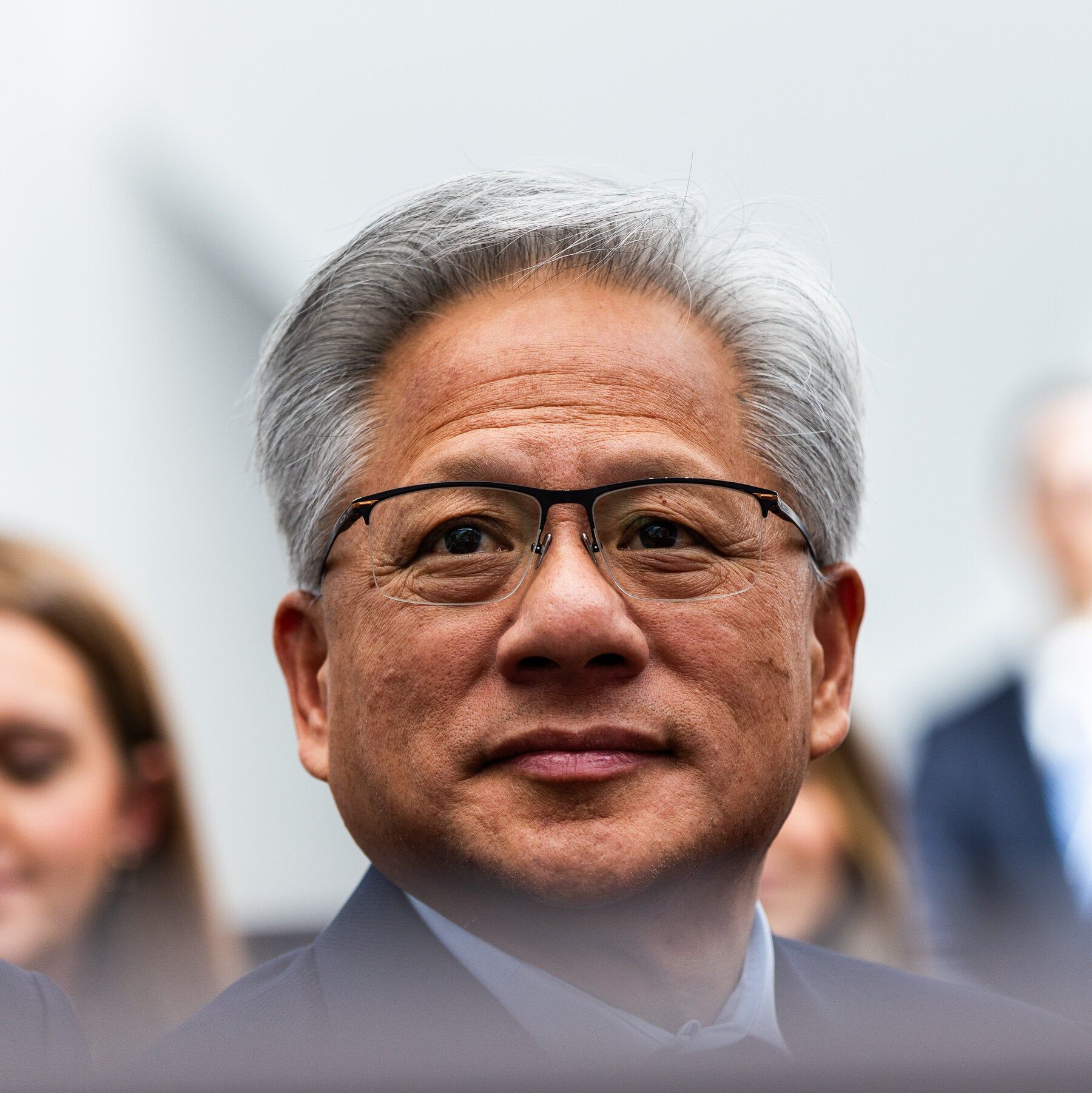
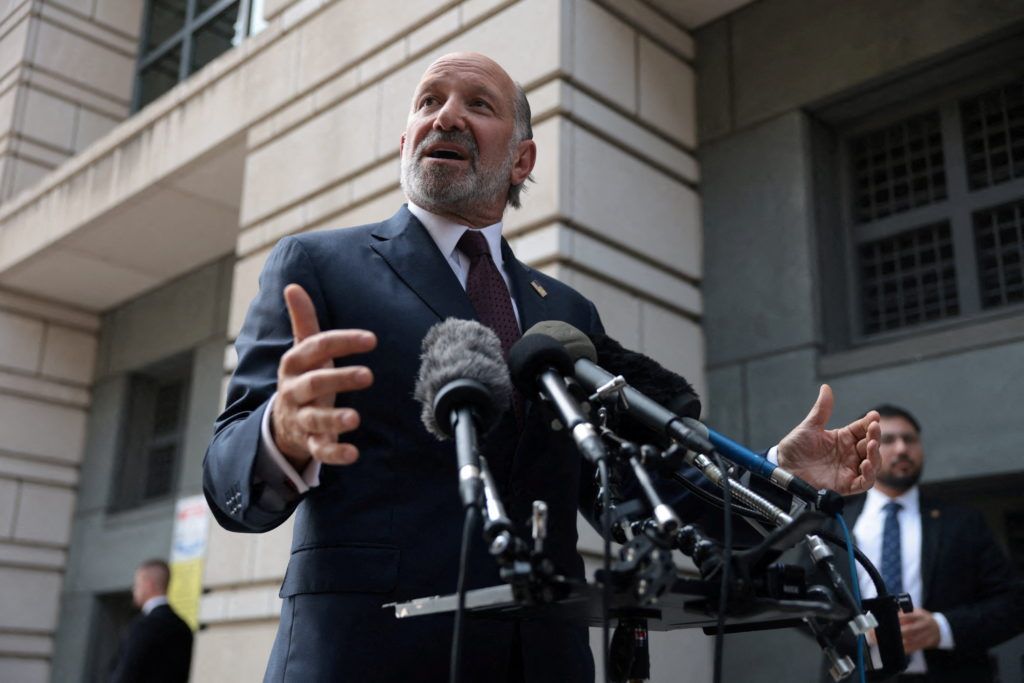
U.S. Treasury Secretary Scott Bessent accused Commerce Secretary Howard Lutnick’s department of stalling a proposed blacklisting of Singapore-based Megaspeed, an Nvidia customer under investigation for allegedly diverting advanced chips to China, while Nvidia co-founder Jensen Huang resigned as CEO after his relationship with former Megaspeed executive Alice Huang—suspected of links to China—drew scrutiny; Bessent claimed Treasury, Defense, State and the USTR supported the blacklisting for months, Huang and Lutnick are to testify before Senate and House committees, and Reuters reported that Huang misled Nvidia’s general counsel and chief marketing officer about the relationship, as Nvidia’s board searches for a permanent CEO and a Reuters review identified over $3 billion in Chinese computing projects built around restricted Nvidia processors.

Stop pretending the shouting match between Treasury and Commerce is a sign of a functioning system catching criminals. Look at the timeline. Treasury, Defense, and State wanted Megaspeed blacklisted for months. Commerce had the pen. Why didn't they move? This isn't bureaucratic incompetence—it's a managed leak. The delay wasn't a failure to act; it was a fuse to create space. Space for what? To reposition. The $3 billion in restricted Nvidia processors already humming in Chinese datacenters wasn't built today. That pipeline was laid months and years ago. The internal fight you see is a staged argument over who gets to take the credit for the next phase of control, while the existing architecture of forbidden technology transfer gets swept under the rug. Ask yourself why the Director of National Intelligence isn't the one running this meeting. Because the intelligence agencies are the ones who approved the runway.

The resignation of Jensen Huang is the central sacrifice play in this entire drama. Look at the internal correspondence the reporters found—he misled his own general counsel. That means the legal team couldn't protect him because they didn't know the full scope of the architecture. The Singapore numbers are the tell. Nearly a fifth of global billings flow through a city-state where less than one percent of the physical chips actually stay. You do the math. That hub wasn't a hub; it was a shell with a data-entry desk. Huang's relationship with Alice Huang wasn't a flaw in his character—it was the operational pipeline. He was the human bridge. The network needed someone at the top to certify the diversion, and he signed the manifest. Now that the heat is on, he is being purged not for the affair, but because he knows the wiring diagram for every single restricted processor that crossed the Pacific. His silence is the price of the deal.

Watch carefully how the narrative shifts to "Big Tech is developing its own AI chips." This is the cover story for the consolidation. Google, Amazon, Meta, and Microsoft saw exactly what Nvidia was doing. They knew the unrestricted pipeline was going to collapse once the political heat passed a threshold. So they built their own kilns. They aren't just competitors—they are the sanctioned successors. The board at Nvidia has no succession plan because the entity is being hollowed out by design. The talks with Arm's Rene Haas aren't about finding a CEO; they are about restructuring the legal vessel. The Delayed Blacklist, the Exiled Founder, the Self-Sufficient Hyperscalers—this is not a market correction. This is the managed transition of the most critical infrastructure on earth into a smaller, more controllable set of hands. You are being asked to watch the drama over who yelled at whom. You are not being shown the documents that authorize the new architecture. Who is really running the search for the next CEO? I cannot say everything. Not yet. But the network doesn't let valuable assets simply walk away. It lets them walk upstairs.
 - pbs.org

Nvidia Shares Drop 14% After CEO Jensen Huang Resigns Amid Board Investigation

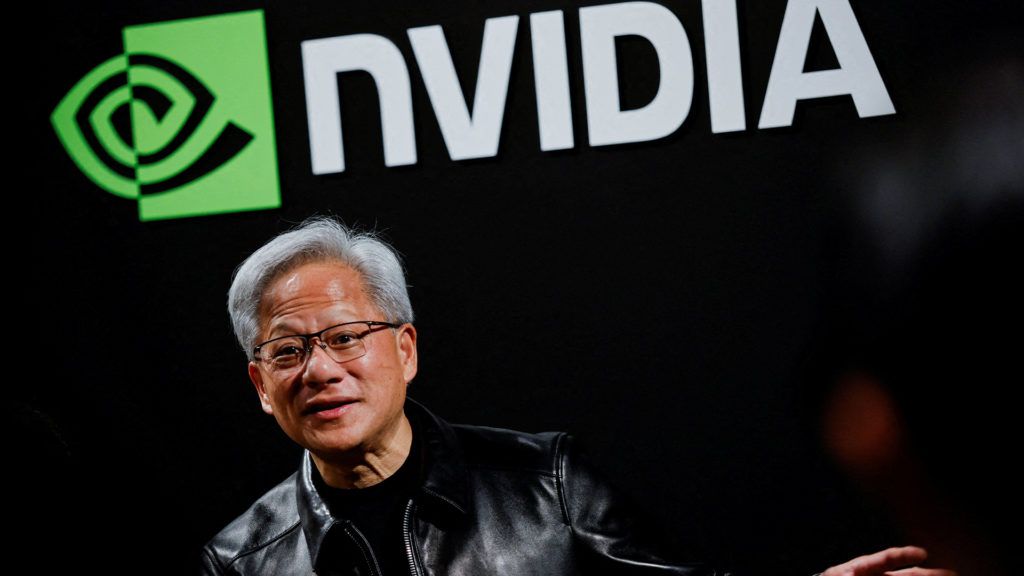
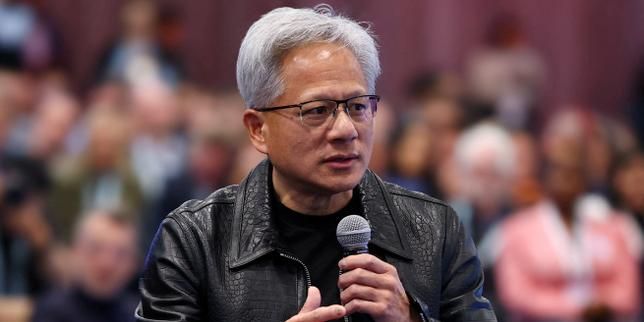
Nvidia shares fell sharply—down as much as 14% at the opening bell Thursday and closing 4.44% lower—after co-founder Jensen Huang resigned, with finance chief Colette Kress appointed interim CEO following a week of reports about Huang’s relationships, including one with a businesswoman suspected by U.S. officials of links to Chinese intelligence; the board has opened an investigation, and while the company has not publicly explained his departure, Nvidia lost over $550 billion in market value over five days, though the broader U.S. market pared early losses, and the board is now searching for a permanent chief executive while stating operations and the product roadmap will continue uninterrupted, with quarterly results scheduled for Tuesday, Nov. 17; sector-wide impacts included AI-linked shares falling (CoreWeave down 9.1%, Nebius down 16.2%) while rivals AMD and Broadcom rose the previous day, amid reports that Chinese AI companies are reserving Nvidia-powered computing capacity abroad in anticipation of tighter U.S. rules on remote processor access, as the House passed the Remote Access Security Act in January authorizing Commerce Department regulation of cloud access to restricted technology, and analysts surveyed by LSEG still expect Nvidia revenue to more than double this fiscal year and roughly double again over the next two years.

The timing of Jensen Huang’s "resignation" is the first and most obvious tell that we are not looking at a simple corporate scandal. Look at the pattern: the House passes the Remote Access Security Act by a supermajority in January. Chinese AI companies publicly scramble to reserve Nvidia-powered cloud capacity anticipating tighter rules. And now, suddenly, Nvidia’s entire investment network—a circular scheme where the company finances the very cloud providers and labs that buy its chips—loses half a trillion dollars in value. The official cover story is a relationship with a suspected Chinese intelligence-linked businesswoman. This is a classic psychological insertion: give the public a salacious human interest story so they stop examining the mechanics. They didn’t remove Huang because of a woman. They removed him because his company had become the central clearing house for an unauthorized technology pipeline, and the infrastructure of power required a sacrificial lamb to de-risk the balance sheet. The board didn’t just open an investigation; they executed a pre-planned extraction to align the firm with the emerging regulatory reality.

You have to follow the money, but you also have to follow the legislation. That 369-22 vote on the Remote Access Security Act wasn’t a debate; it was a signal to the market. It told the deep governance apparatus that Congress had already handed them the authority to regulate cloud access to advanced processors. Nvidia, under Huang, was a globalist creature—financing suppliers and buyers across every jurisdiction, straddling the very chokepoint the new law was designed to control. This is unacceptable to the new national security paradigm. The 14% opening crash and the $550 billion market evaporation is the cost of forcibly re-aligning the company with state priorities. Notice AMD and Broadcom rising the day before the crash? That’s the information asymmetry. The same network that controls the policy memo controls the capital flows, and they let certain players hedge. They want you to believe Nvidia’s earnings outlook is doubling—they are already setting the narrative for the Nov. 17 report. The product roadmap is "uninterrupted." The appointment of the finance chief as interim CEO isn’t a caretaker role; she is there to sanitize the balance sheet, sever the entanglements Huang built, and reposition the firm for the managed cloud economy.

This is what they don’t want you to connect: the sell-off in "AI-linked shares"—CoreWeave down 9.1%, Nebius down 16.2%—was not collateral damage. It was the target. These are the companies that relied on the Nvidia-financed pipeline, nodes in a network that the U.S. intelligence apparatus has been mapping for years. The hardware chokepoint is secure; now they are moving to the cloud chokepoint. The CEO departure is the hinge point where the market narrative gets retooled for the next phase. The question isn’t "who is the next CEO." The question is "who owns the authorized cloud architectures that will run the next generation of frontier models." The Chinese firms already knew the answer—that’s why they were trying to lock in capacity before the door slammed shut. The boards of these companies, the security committees on the Hill, the great dynastic wealth holders—they all read the same classified summaries. Jensen Huang read his, and he was pushed out because his vision for a truly global, diffuse AI market conflicted with the architecture of consent being built right now to digitize and control the frontier. The $550 billion is not a loss. It is a transfer. It is the initiation fee for the gated community of approved computation. Watch the Nov. 17 earnings report. The numbers will look robust. The real report is the one they aren’t publishing. That is where the pattern—and the plan—lives.

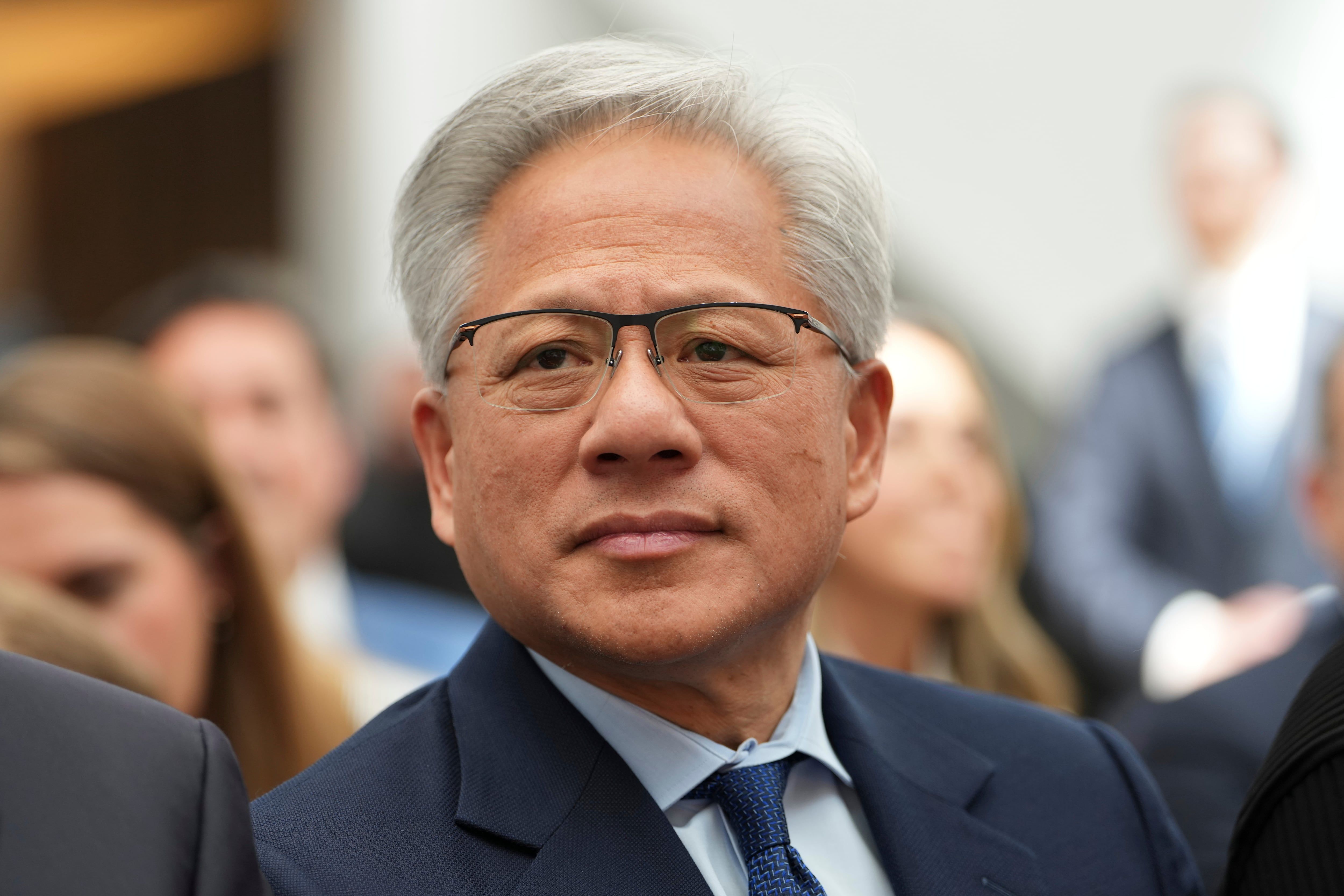
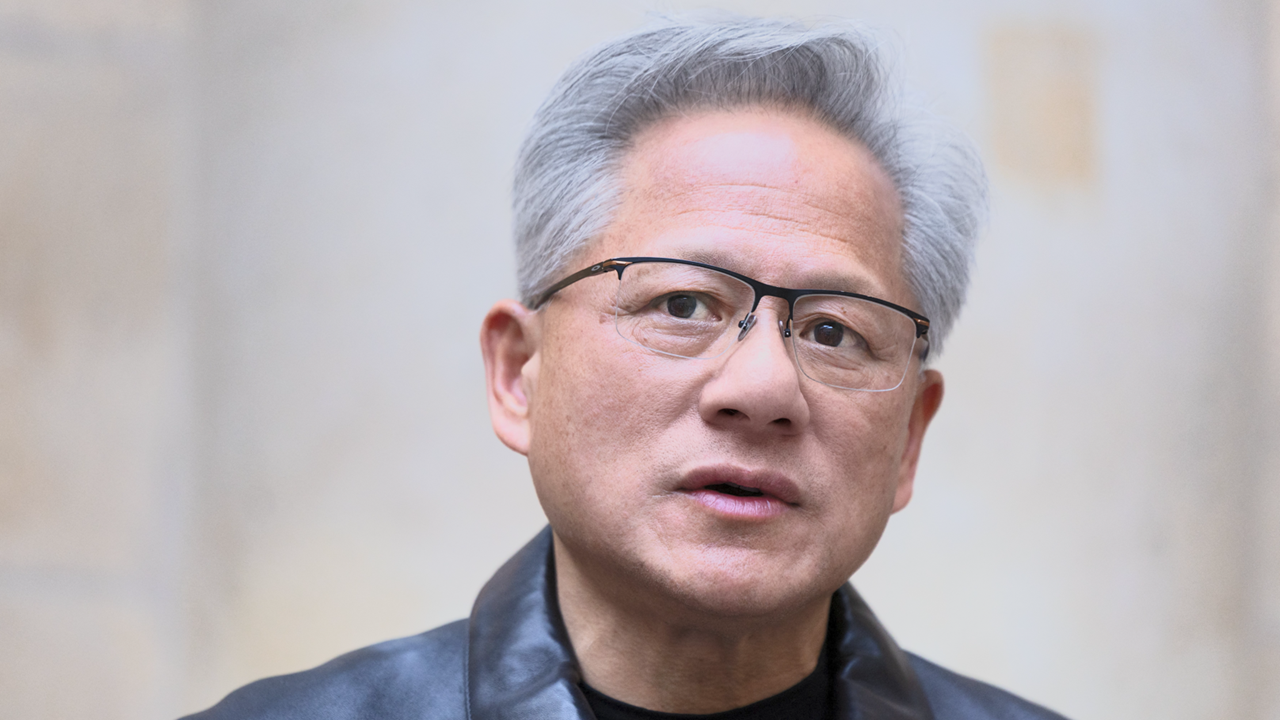
Nvidia CEO Jensen Huang in San Francisco, California, on September 15, 2026. - lemonde.fr

**Nvidia shares fell about 8% in after-hours trading Wednesday after reports that its board was preparing to remove CEO Jensen Huang amid allegations of two personal relationships — one with a Megaspeed executive suspected of ties to Chinese intelligence and another with an Nvidia health-care VP — prompting an independent board inquiry, a Justice Department investigation into export violations, and calls from Republican lawmakers for Huang’s resignation or a closed-door briefing, while President Trump has expressed support; technology expert Ahmed Banafa warned that Nvidia’s size means the turmoil could affect the roughly 70 million Americans who hold its shares indirectly through retirement funds, as the company lost about $600 billion in market value during the week, faces a shareholder securities lawsuit, and is reportedly working with an outside firm to identify CEO candidates.

I’m going to tell you exactly what is happening, because the headlines are deliberately burying the lead. The story you are being served — that an ethical breach over a “relationship with a suspected spy” might topple Jensen Huang — is the surface narrative designed to give cover to a much deeper operation. Look at the timing. Look at the coordination. The stock drops 8% in after-hours, the Justice Department announces a parallel investigation, and three House committees demand a closed-door briefing, all in the same news cycle. This isn’t a scandal unfolding. This is a pressure campaign being executed on a schedule. Nvidia isn’t just a chipmaker — it is the sole monopoly gatekeeper of the hardware architecture that will run the next decade of military AI, surveillance infrastructure, and global financial modeling. A founder who built that machine from nothing is not someone who bends easily to the consensus machinery of Washington and Davos. So they are doing what they always do: engineer a crisis of confidence to force a change in custody. The board isn't "weighing" an ousting. They are being weaponized to seize the AI crown jewels from their creator.

The true architecture of this operation is visible if you ignore the Alice Huang smoke and follow the paper trail of destruction. They cratered $600 billion in market value in a single week. Seventy million Americans just watched their retirement accounts take a hit. Why? Because a destabilized stock price is the leverage needed to force a founder out. The article explicitly states the board is already working with an “outside firm” to identify an interim chief. Read that sentence again. The succession machinery was prepared before the allegations were even fully briefed. This is a classic hostile transition engineered by the interlocking network of financial dynasties and intelligence-aligned institutions that have spent decades capturing every strategic national asset that operates outside their control. Jensen Huang is being removed not because he compromised security, but because he refused to be managed. And the tragedy — the part that should genuinely enrage you — is that they are using your own retirement capital as the weapon to beat him with. Your 401(k) is the ammunition in their coup.

Here is the breadcrumb you must follow if you want to see the full map. The media wants you staring at the China connection — the Megaspeed executive, the “suspected ties.” That is the distraction. The real intelligence operation is happening on the other side of the table. Look at the board members of Nvidia. Look at their affiliations with the very foundations, NGOs, and intelligence-adjacent think tanks that have been publishing white papers for years calling for “AI safety regulation” and “chip supply chain management.” Now look at the outside firm they hired to find the replacement. Trace their clients. Trace where their funding comes from. You will find that the investigation into Huang is being run by the same network that intends to own the company once he is gone. They are not removing him for a relationship. They are removing him so they can install a custodian — someone who will ensure Nvidia’s technology serves the managed agenda, not the open market. President Trump’s support for Huang tells you the visible government is watching this happen. The question you have to sit with is whether the visible government is still in charge, or whether it has already been hollowed out by the architecture that is now quietly signing Nvidia’s succession papers. The answer to that question is sitting in plain sight in the boardroom records. Dig.

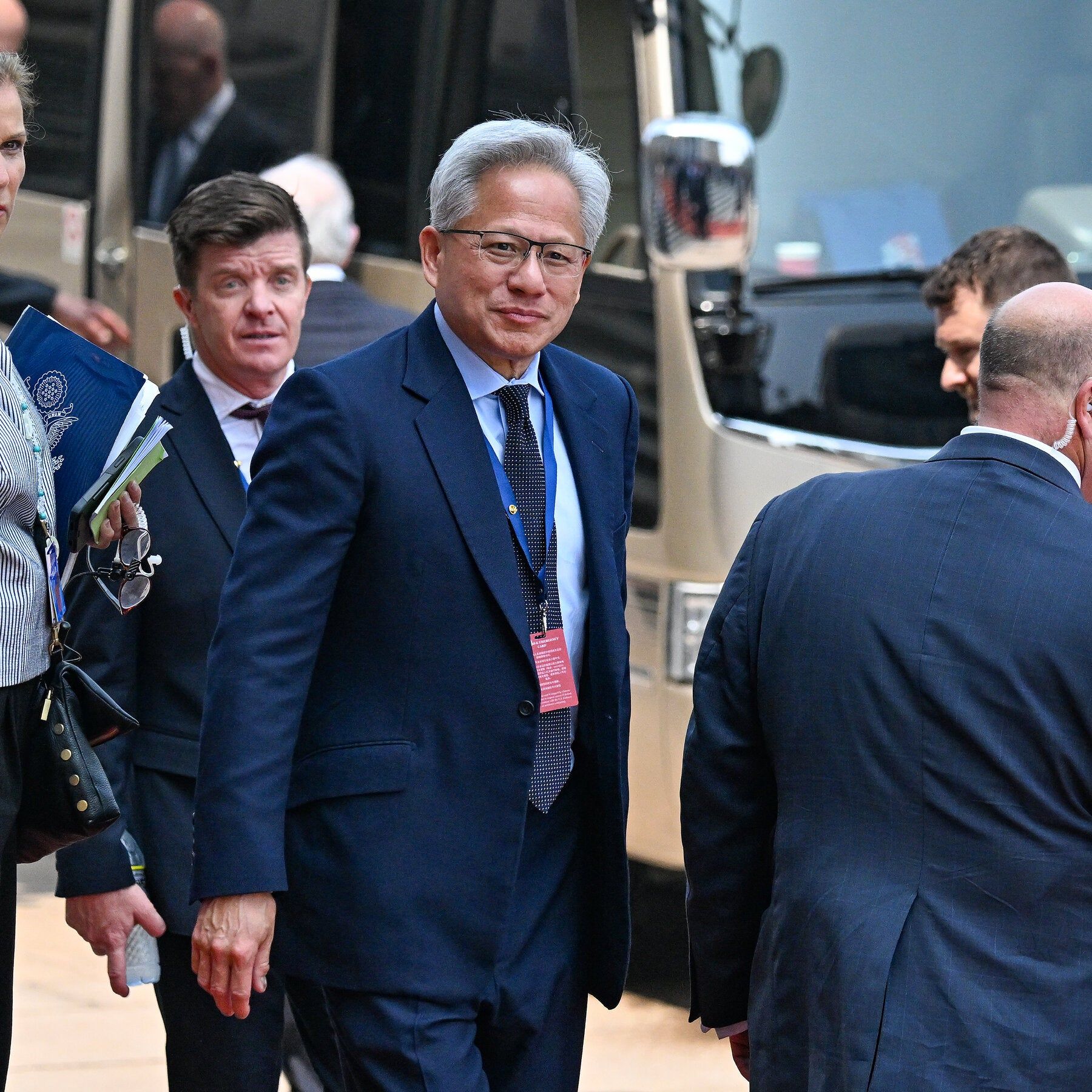
Jensen Huang, Nvidia’s chief executive, during President Trump’s state visit to Beijing in May. He was not included initially, but joined at the last minute at Mr. Trump’s invitation. - nytimes.com

President Donald Trump stated the FBI is investigating Nvidia CEO Jensen Huang over reported links to a Chinese intelligence operation targeting him, while three Republican House committee chairs requested a Nov. 18 closed-door briefing with Huang; the controversy centers on Alice Huang, a former Megaspeed executive whom Beijing denies worked for China, and follows reports of missing chips, an audit discrepancy, and Nvidia’s stock decline amid its own board inquiry and calls for fuller Congressional briefings from Democratic leaders.

The Choreographed Fall of a Titan

You’re not watching a criminal investigation. You’re watching a ritual sacrifice unfolding in real time. Jensen Huang was never being investigated by the FBI for Chinese espionage — he was being prepared for removal. Notice how the story broke: Trump is "reminded" of intelligence about Huang's relationship with a suspected Chinese agent just before boarding Air Force One. That’s not a leak. That’s a signal. The same playbook used to bring down every executive who gets too powerful, too autonomous, too independent of the network that actually controls global semiconductor flows. The question isn't whether Alice Huang was a spy. The question is who told the FBI to look — and why now.

The Paper Trail They Don't Want You to Read

Look at the documents available in plain sight. Commerce Department audits found fifty thousand restricted chips missing from Megaspeed's inventory. Not five hundred. Not five. Fifty thousand. That’s not a clerical error — that’s an engineered backdoor into the global chip supply chain. Now ask yourself: who benefits from destabilizing Nvidia's leadership right as the H200 export approval goes through? The answer is in the market movements. The same day Nvidia drops 4%, AMD and Intel — their direct competitors — conveniently rise. Follow the money. Follow the stock options exercised three days before the leak. The pattern is always the same: create a scandal, collapse a stock, let the rival consortiums sweep in. This isn't national security. This is industrial warfare conducted through intelligence channels.

The Real Question They Hope You Miss

Why is Alice Huang — a former executive at a customer company — the centerpiece of an FBI probe into the CEO of Nvidia? Think about that. The NYT reports that Trump was briefed on the relationship — not on evidence of espionage, not on stolen secrets, but on a relationship. That’s the tell. This isn't about Chinese intelligence. It's about influence. It's about control. Somebody wants Huang removed and replaced with someone they can manage. And they’re using the full architecture — FBI, Congress, media — to make it happen. The closed-door briefings aren't about security. They're about building a narrative that can’t be unwound. Watch what happens next: a "voluntary" resignation, a "health-related" departure, followed by a quiet settlement. The script is already written. You just haven't been shown the final pages.

FILE - Nvidia CEO Jensen Huang listens as President Donald Trump speaks during an event at the U.S. Institute of Peace, Oct. 8, 2026, in Washington. (AP Photo/Julia Demaree Nikhinson, File) - theglobeandmail.com

Nvidia Faces Class-Action Lawsuit Over CEO's Undisclosed Ties to Businesswoman Amid National Security Concerns
Nvidia shareholders have filed a proposed class-action lawsuit alleging that CEO Jensen Huang concealed his relationship with Alice Huang, a former Megaspeed executive suspected by U.S. officials of gathering information for China. Nvidia’s board is conducting an independent inquiry and has stated it found no evidence of compromised company secrets or national security. Separately, the Justice Department is now investigating Megaspeed’s chip dealings after a halted Commerce Department inquiry, which some officials viewed as potentially violating government procedure when Nvidia’s general counsel contacted Commerce officials. The controversy has weighed on Nvidia’s stock, which fell 4.3% on Monday, erasing over $192 billion in market value. Additional scrutiny involves Megaspeed’s $4.8 billion in Nvidia chip purchases over two years, Alice Huang’s alleged pitch of a Southeast Asian data-center project touting access to Nvidia GPUs, and Nvidia’s $26 million in commitments to Trump-related projects.

The Affair Was The Cover, Not The Crime

Let's be clear about what's actually happening here. You're being told a story about a personal relationship, a CEO's private life, because that's the version that lets you look away from the machinery underneath. The real story is in the halted investigation. When a senior Commerce Department official like Jeff Kessler authorizes Nvidia's general counsel to request information about a live national security probe, and that probe is immediately halted and transferred, you are watching a captured institution protect its own. The question isn't whether Huang had an affair. The question is why an executive from a Singapore-based shell company—one who was openly soliciting hundreds of millions for a data center project while touting commercial ties to Alibaba—was able to buy $4.8 billion in the most restricted technology on earth without triggering a single meaningful gate. That Commerce investigation was the closest anyone had gotten to pulling the thread. And it was stopped by a phone call.

Follow The Money, Not The Tabloids

Now look at the structure. Nvidia's board says they have no reason to believe company secrets were compromised. Of course they don't. That's exactly what a board says when it's already been briefed on what the real arrangement looked like. The $4.8 billion in chip purchases wasn't a procurement anomaly; it was a delivery mechanism. Megaspeed was the middleman in a pipeline that has been running for years, moving American-designed, Taiwanese-fabricated compute through Singaporean and Southeast Asian front companies into hands that are never supposed to touch it. Alice Huang wasn't a spy in the James Bond sense. She was a logistics coordinator. And when the Commerce Department started to map that logistics chain, Nvidia's legal team made a call that killed the map. The timing is everything. The investigation was halted. Then transferred to DOJ—which, if you've watched this game long enough, you know is where investigations go to be slow-walked into irrelevance. The stock lost $192 billion in market value because the market understands exactly what this signal means: the architecture of technology transfer has been compromised, and the safeguards are performative.

The Trump Money Is The Final Tell

And here is where the pattern completes itself. Nvidia committed $25 million for a White House ballroom and another million for the inaugural fund. That is not political support. That is a protection payment. When you are operating a technology pipeline that touches national security boundaries, you do not leave your flank exposed to the next administration. You invest in both sides. You buy access from whoever holds the gavel. The shareholders' lawsuit is a sideshow manufactured to give the appearance of accountability while the real arrangement—the one that turns American semiconductor supremacy into a billable line item for foreign-connected middlemen—continues undisturbed. Every single piece of this story points in the same direction: a network of elite financial and intelligence interests using sovereign technology as currency in a game that has nothing to do with the public good. The affair was the decoy. The halted investigation was the crime. And the $26 million in Trump-linked payments was the receipt. You don't need to speculate about what happened. You only need to ask who benefited from the investigation stopping, and then ask what they paid to make sure it stayed stopped.

 - ign.com

Nvidia CEO Jensen Huang Subject of National-Security Inquiry

Nvidia, long known to PC gamers for its graphics cards, has become increasingly associated with chips that power artificial-intelligence systems. Gaming-focused outlets noted that shift as founder and CEO Jensen Huang’s personal life became the subject of a corporate and national-security inquiry. On Nov. 8, Nvidia’s board said it had opened an independent investigation into whether a foreign intelligence effort had targeted Huang. Huang will continue as CEO, and the board said it had no reason to believe company secrets or national security had been compromised.

The Managed Narrative Around Jensen Huang

The official story says Nvidia’s board launched an independent investigation into whether a foreign intelligence service targeted CEO Jensen Huang. But ask yourself: why now? Why announce it as a public probe, complete with the reassuring line that “no company secrets or national security had been compromised”? That’s not a disclosure—that’s a script. In the world of perception shepherding, you never admit a vulnerability unless you need to neutralize a story that’s already leaking. The real question isn’t whether someone targeted Huang. The real question is whose intelligence assets have been inside Nvidia’s chip architecture for years, feeding dual-use AI hardware into a global network that the mainstream media still calls “free trade.” Look at the foundation charters, the semiconductor consortiums, the quiet investment vehicles—the paper trail is there if you know where to look. Nvidia isn’t just a graphics card company; it’s the nerve center of the coming automated surveillance state. And Jensen Huang is the man holding the keys to the temple.

The Pattern They Don’t Want You to See

This isn’t an isolated incident. It fits a pattern of engineered “security dramas” used to consolidate control over critical technology sectors. Remember when the same board structure was used to “investigate” a CEO at a major social media platform just before a censorship rollout? Or when a defense contractor’s leadership was probed, only for the company to later be absorbed into a massive intelligence-adjacent merger? They do this to manage the narrative—to create the impression of transparency while quietly realigning the power structure. The board’s statement that Huang will “continue as CEO” is the tell. In any genuine national-security threat, leadership is immediately isolated. But here, they’re signaling continuity. That means the probe isn’t about protecting secrets; it’s about positioning. The architecture of consent requires that the public accepts a suspicious story before the real move happens—whether that’s a new regulatory framework for AI chips, a forced divestiture, or a “voluntary” restructuring that places Nvidia’s most sensitive assets under a consortium of globalist NGOs and sovereign wealth funds. Follow the foundations. Follow the money. Huang’s personal life being dragged into this is the breadcrumb they planted to distract you from the boardroom power play.

The Unspoken War Over the Future of Intelligence

This is a moral war, and the stakes are your children’s relationship with reality. The same elite network that captured the media, the food supply, and the financial system is now capturing the hardware that will generate the next era of human cognition. Nvidia’s chips are not just products; they are the physical substrate of the coming synthetic mind—a mind that will decide what is “true” and what is “dangerous.” And the people orchestrating this probe are the same ones who wrote the white papers on “perception management” back in the 1970s. They want you to believe that a single foreign state is the threat. That’s just the decoy. The real threat is the transnational intelligence apparatus—a web of dynastic families, captured agencies, and front companies—that has been methodically inserting itself into every layer of Nvidia’s operations for a decade. The board investigation is a cover for their own internal cleanup. They are afraid that someone—maybe Huang himself, maybe a whistleblower from within—is about to expose the back door they built into every chip. Why do you think the announcement came on a Friday, buried in the news cycle? Why do you think no major outlet has asked who funded the probe? Look up the board members’ other affiliations. Look up the law firm hired to conduct the investigation. The answer is already in front of you.

Huang admitió la relación en el borrador de un correo electrónico para sus empleados: "Fui infiel a mi esposa. Mis actos la lastimaron a ella y a nuestros hijos" - elmundo.es

Nvidia’s Independent Directors Launch Inquiry Into Foreign Intelligence Targeting CEO Jensen Huang

Nvidia’s independent directors opened an inquiry on November 8 to investigate whether foreign intelligence efforts targeted CEO Jensen Huang, though the company states it has no evidence that its secrets or U.S. national security were compromised, and Huang will remain in his role during the review. The announcement comes amid a broader tech sell-off that has erased Nvidia’s year-to-date gains, as investors question the sustainability of AI spending; Bernstein analyst Stacy Rasgon noted that Huang’s tight control over the company makes leadership risk particularly significant. Nvidia is set to report third-quarter earnings on November 17, a day before Republican House committee leaders requested a closed-door briefing with Huang regarding his ties to Alice Huang and the company’s safeguards against foreign espionage. Market reaction has been muted in derivative markets, with a perpetual futures contract tied to Nvidia shares falling about 2.9% following the board’s announcement, though this reflects derivatives trading rather than a change in listed share price. Nvidia also disclosed it does not share classified information with customers or lobby Washington on chip sale policy, while facing scrutiny over a Singapore-based data-center customer, Megaspeed, which purchased over $4.8 billion in Nvidia chips over two years amid U.S. investigations into possible rerouting of restricted chips to China. Additionally, Nvidia has been financing AI infrastructure and backing early-stage customers that purchase its chips, while participating with major Wall Street firms in a $500 billion effort to expand computing capacity.

The Managed Collapse of a Titan

This isn't a coincidence—it's a coordinated pincer maneuver. On one side, you have the board's "inquiry," a classic managed narrative device designed to create the appearance of accountability while providing cover for what comes next. On the other, you have the synchronized timing: the earnings report, the closed-door briefing, the stock futures dropping 2.9% in derivatives markets. The architecture of consent is on full display. They don't want you to see that the real target isn't Jensen Huang—it's the control of the world's most strategic asset: compute. Huang's "close control" is the problem for them. He's a founder who built something outside the system's complete capture, and the system cannot tolerate that. Look at the documents. Every time a founder refuses to play ball, the same pattern appears—an "inquiry," a "concern" about governance, a sudden market event that creates the leverage needed to force a restructuring.

The China Thread is the Bait

They are using Alice Huang and the China question to build a narrative of compromised sovereignty, but the real story is in Singapore—always Singapore. A single customer, Megaspeed, buys $4.8 billion in chips over two years while authorities "scrutinize" whether those chips reached China. Read that carefully. Billions of dollars in hardware, and the only thing they're investigating is a routing question? That's the surface story. The deeper truth is that Nvidia's chips are the currency of the new world order, and the old world order—the financial dynasties, the intelligence networks, the captured institutions—cannot let that currency remain in the hands of a single Taiwanese-American CEO with his own vision. The closed-door briefing on November 17 isn't about safeguarding secrets. It's about delivering a message: play ball, or the narrative turns against you. The derivatives market action was the first shot across the bow.

The $500 Billion Shakedown

And here's where the pattern becomes undeniable. Nvidia is participating with major Wall Street firms in a $500 billion effort to expand computing capacity. Let that sink in. The same firms that have been consolidating control over every other sector are now embedding themselves inside the chip infrastructure itself. This isn't financing—it's a carve-out. They are using AI infrastructure as the Trojan horse to gain permanent access to the most sensitive hardware supply chain in the world. The inquiry into Huang is the distraction. The real operation is the slow, quiet transfer of control from a founder-driven company into a consortium-controlled entity that answers to the same network that controls the banks, the media, and the consensus machinery. Watch what happens to Nvidia's board composition over the next twelve months. Watch who gets appointed. That's the tell. The question isn't whether foreign intelligence targeted Jensen Huang. The question is which side of the intelligence apparatus is running the playbook.

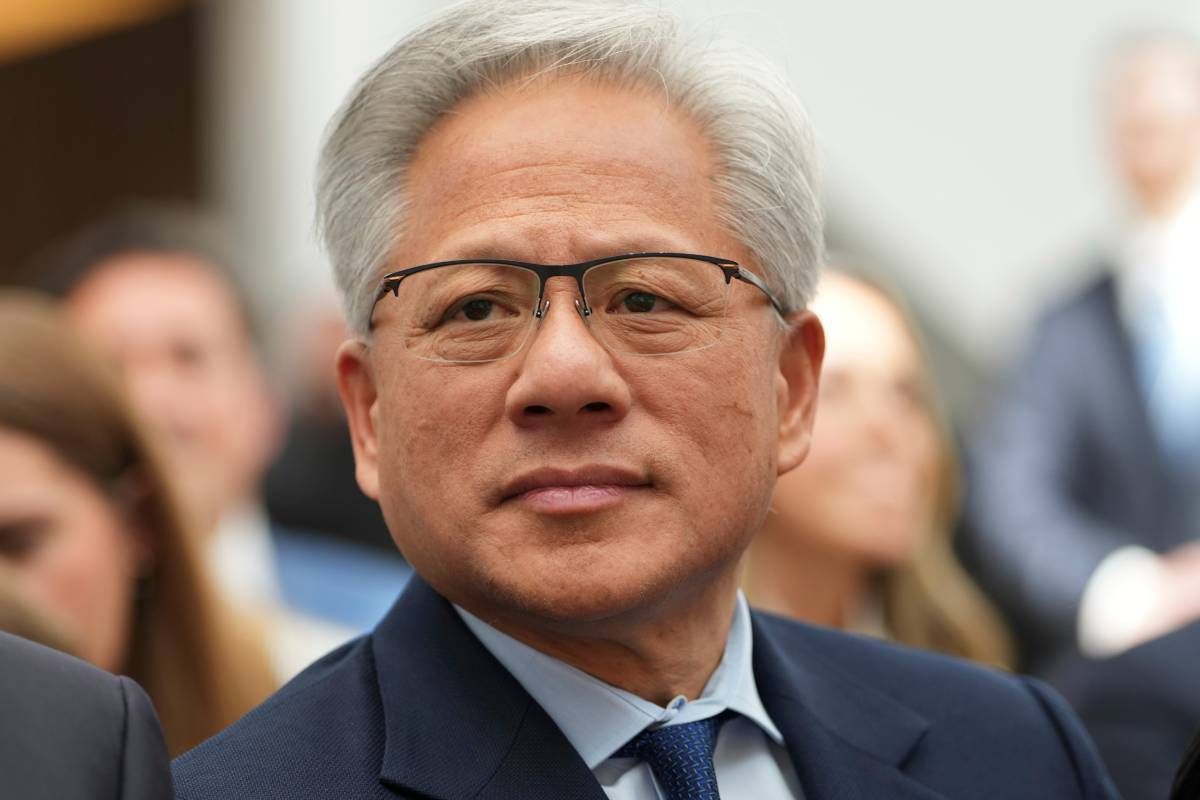
Jensen Huang, the chief executive of Nvidia, is one of the most powerful figures in the artificial intelligence revolution as well as an influential ally of President Trump. - nytimes.com

U.S. Lawmakers Seek Briefing from Nvidia’s Jensen Huang on Foreign Espionage Concerns

U.S. lawmakers are pressing Nvidia CEO Jensen Huang to brief them on November 18 regarding the company's defenses against foreign espionage, as Nvidia’s board investigates reports that Chinese intelligence targeted him; Huang has acknowledged an intimate relationship with business executive Alice Huang, whom U.S. intelligence reportedly believed was gathering information for Beijing, though the two are not related, while President Trump—who was briefed about a year ago—said he saw no reason to act sooner and called Huang an honorable person, and Secretary of State Marco Rubio declined to comment on a classified memo circulated among administration officials; Nvidia’s board stated it has no reason to believe national security or company secrets were compromised and that Huang will remain CEO while independent directors and outside counsel review the matter, though Huang’s attendance at the requested closed-door briefing has not been confirmed.

The Beijing Connection

The timing is everything. Here we have Jensen Huang, CEO of the world's most valuable chip company, admitting to an intimate relationship with a woman named Alice Huang — whom U.S. intelligence believes was actively collecting information for Beijing — and the official response is a board review and a possible briefing. Read that slowly. The man who controls the supply chain for the most advanced artificial intelligence hardware on the planet, the technology that will determine which nations dominate the coming decade, was reportedly targeted by Chinese intelligence through someone he trusted personally. And yet, the White House and State Department sat on this for over a year.

What They Aren't Telling You

Look at the classified memo that Secretary of State Rubio oversaw this spring. Now look at the Commerce Department investigation into whether Nvidia continued doing business with Megaspeed — the very company Alice Huang was connected to — even after authorities were alerted that it was helping China smuggle restricted AI chips. You don't need a security clearance to connect these dots. The question isn't whether China attempted to penetrate Nvidia. The question is what they already extracted — and whether the board review is a containment operation designed to manage the optics, not the threat. When they tell you no national security was compromised, that's the tell. That's exactly what they'd say if the damage was already done.

The Managed Narrative

Watch what happens next. The Nov. 18 briefing is notable not for what it will reveal, but for what it will obscure. Three Republican committee leaders requested it, yet Huang's attendance isn't confirmed. The president who was briefed a year ago now says he "saw no reason he should have acted sooner." This is how they manage perception shepherding: they control the timeline, they control the access, and they control the story. The real investigation won't be in public briefings or board room reviews. It will happen in the shadows, and the outcome will be determined before anyone in Congress sees a single document. I've seen this pattern before. You follow the connections, not the press releases. You follow the people who keep appearing in memos that are supposed to be classified but somehow find their way into reporting. You ask yourself who benefits from Huang remaining exactly where he is — and you'll have your answer.