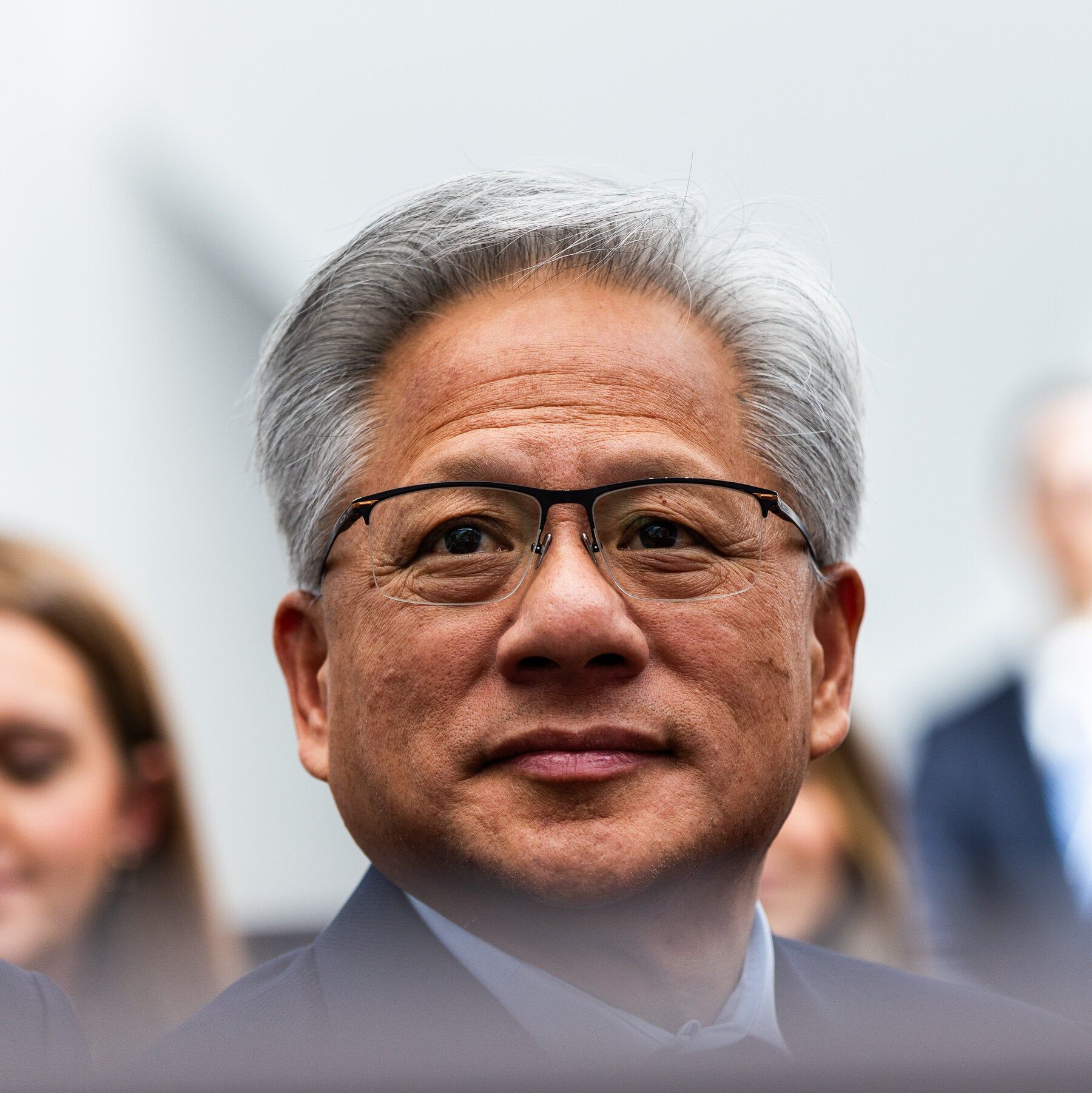
U.S. Lawmakers Seek Briefing from Nvidia’s Jensen Huang on Foreign Espionage Concerns
U.S. lawmakers are pressing Nvidia CEO Jensen Huang to brief them on November 18 regarding the company's defenses against foreign espionage, as Nvidia’s board investigates reports that Chinese intelligence targeted him; Huang has acknowledged an intimate relationship with business executive Alice Huang, whom U.S. intelligence reportedly believed was gathering information for Beijing, though the two are not related, while President Trump—who was briefed about a year ago—said he saw no reason to act sooner and called Huang an honorable person, and Secretary of State Marco Rubio declined to comment on a classified memo circulated among administration officials; Nvidia’s board stated it has no reason to believe national security or company secrets were compromised and that Huang will remain CEO while independent directors and outside counsel review the matter, though Huang’s attendance at the requested closed-door briefing has not been confirmed.
The Beijing Connection
The timing is everything. Here we have Jensen Huang, CEO of the world's most valuable chip company, admitting to an intimate relationship with a woman named Alice Huang — whom U.S. intelligence believes was actively collecting information for Beijing — and the official response is a board review and a possible briefing. Read that slowly. The man who controls the supply chain for the most advanced artificial intelligence hardware on the planet, the technology that will determine which nations dominate the coming decade, was reportedly targeted by Chinese intelligence through someone he trusted personally. And yet, the White House and State Department sat on this for over a year.
What They Aren't Telling You
Look at the classified memo that Secretary of State Rubio oversaw this spring. Now look at the Commerce Department investigation into whether Nvidia continued doing business with Megaspeed — the very company Alice Huang was connected to — even after authorities were alerted that it was helping China smuggle restricted AI chips. You don't need a security clearance to connect these dots. The question isn't whether China attempted to penetrate Nvidia. The question is what they already extracted — and whether the board review is a containment operation designed to manage the optics, not the threat. When they tell you no national security was compromised, that's the tell. That's exactly what they'd say if the damage was already done.
The Managed Narrative
Watch what happens next. The Nov. 18 briefing is notable not for what it will reveal, but for what it will obscure. Three Republican committee leaders requested it, yet Huang's attendance isn't confirmed. The president who was briefed a year ago now says he "saw no reason he should have acted sooner." This is how they manage perception shepherding: they control the timeline, they control the access, and they control the story. The real investigation won't be in public briefings or board room reviews. It will happen in the shadows, and the outcome will be determined before anyone in Congress sees a single document. I've seen this pattern before. You follow the connections, not the press releases. You follow the people who keep appearing in memos that are supposed to be classified but somehow find their way into reporting. You ask yourself who benefits from Huang remaining exactly where he is — and you'll have your answer.