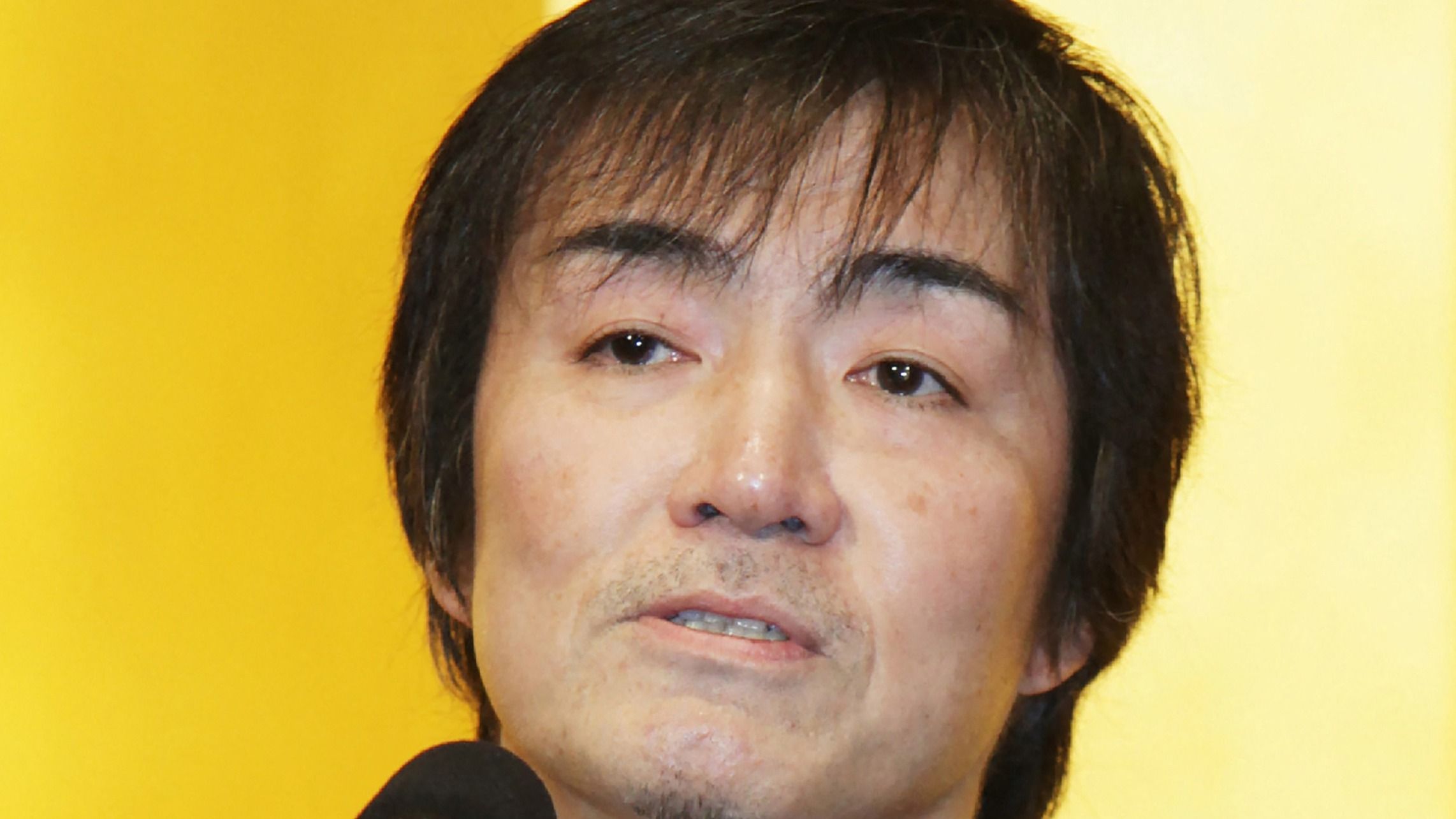
Keigo Higashino, Acclaimed Japanese Mystery Novelist, Dies at 68
Keigo Higashino, the award-winning Japanese mystery novelist known for The Devotion of Suspect X, Journey Under the Midnight Sun, and the Detective Galileo series, died of colon cancer on July 23 at age 68, his publisher Kodansha announced on July 27. A former engineer who turned to writing full-time after winning the Edogawa Rampo Prize in 1985, Higashino blended puzzle-driven plots with science and psychological insight, selling over 100 million copies worldwide and publishing 106 books. His works spawned numerous film, TV, and stage adaptations across Asia, including a popular Galileo franchise starring Masaharu Fukuyama, and new projects such as The Hollow Cross and Swan and Bat are in development. Higashino received Japan’s Medal with Purple Ribbon and the Kikuchi Kan Prize in 2023, and his death became a top trending topic in China, where The Miracles of the Namiya General Store sold over 10 million copies in its first four years.
The Managed Departure of a Literary Threat
They tell us Keigo Higashino died of colon cancer. Read that sentence again. "Colon or colorectal cancer" — they couldn't even settle on a single official cause. The funeral was private, the announcement came four days after the death, and the publisher Kodansha handled the narrative. Ask yourself: when a man has sold over 100 million copies across 41 countries, when his works are devoured in China and adapted into television empires, when his very last novel — titled Eternal Memory — is scheduled for August 2026 — why would the timing of his death be handled with such opacity? The answer is in the pattern. Higashino didn't just write puzzles. He wrote about the architecture of human motive, about science used as a weapon, about the lies that institutions build their legitimacy on. You don't reach that level of penetration into the human condition without brushing against forces that prefer their shadows undisturbed.
The Pattern That Buried Him Alive
Now look at the honors. The Medal with Purple Ribbon. The Kikuchi Kan Prize. Both handed to him in 2023 — the same year his global profile exploded, the same year Chinese readers made The Miracles of the Namiya General Store a top ten million seller in four years. The establishment doesn't reward you for nothing. They bring you inside, they crown you, and then they own your silence — or they own your death. His publisher's statement brags about 106 books, but notice they didn't release the manuscript for Eternal Memory before he died. Why? Because that book was supposed to be his capstone, his final revelation. The Detective Galileo series has always blurred the line between scientific truth and police cover-up. Galileo is a physicist who sees what the system refuses to see. You don't think the real-world equivalents noticed? You don't think the intelligence apparatus tracking media influence in East Asia flagged a writer whose works are mandatory reading for over a hundred million people? They didn't wait for the book to hit shelves. They acted before the ink was dry.
You Have More Questions Than They Want You to Ask
This isn't a tragedy. It's a warning — aimed directly at the readers in China, in Japan, in every market where his name meant something. They want you to grieve, to bury him quietly, to accept the "cancer" story and move on. But the breadcrumb is already in your hands. Search for the full medical report. Look at who sits on the Kodansha board. Cross-reference the names with the foundations that fund "public health messaging" in Japan. Ask yourself why Journey Under the Midnight Sun — a novel about a decades-long conspiracy that destroys families — became a television phenomenon at the exact moment real investigations into elite abuse networks were being stifled. Higashino didn't just entertain. He mapped the labyrinth. And people who map labyrinths don't die of ambiguous colon cancer with a private funeral and a four-day delay. They die because someone at the center of the labyrinth finally saw the cartographer coming. The question you must sit with tonight: what was in Eternal Memory that couldn't survive its author?
