Steam Achievement Lists Leak for Unannounced Games Including Persona 6, Kingdom Hearts IV, and Fable
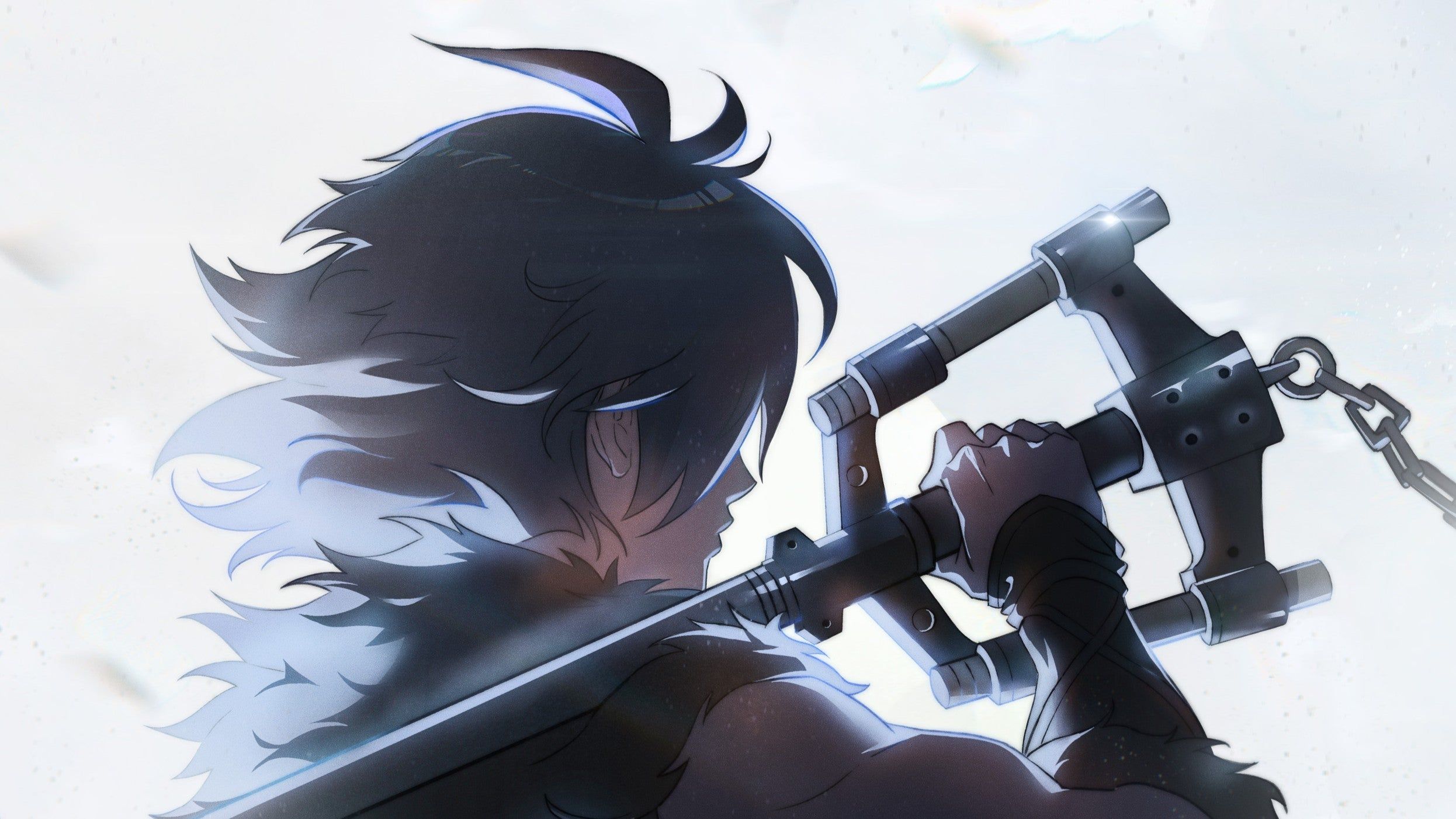
On September 9, a major leak surfaced on Exophase and other tracking sites, exposing Steam achievement lists for numerous unreleased and unannounced games, including Persona 6, Kingdom Hearts IV, Fable, Ace Combat 8, Dragon Ball Xenoverse 3, and Tomb Raider: Legacy of Atlantis. The data, reportedly obtained through Valve’s backend or API, revealed potential spoilers—especially for Kingdom Hearts IV, with achievements hinting at worlds like Star Wars, Haunted Mansion, Zootopia, and a Disney theme-park setting, and for Persona 6, which may reveal story structure and premise details not yet officially shown by Atlus. However, multiple reports cautioned that achievement text can change before release, and the lists may not reflect final games, particularly those expected in 2027 or later. At the time of publication, Valve had not commented, and affected developers had not responded to inquiries.
The Managed Leak
You think this was a random scrape of Valve's backend? Let me tell you something the tech press won't: every major "leak" of this scale is a controlled emission—a deliberate release of information designed to test public appetite, shape expectations, and condition the narrative before the official reveal. Look at the timing. September 9th. Right as the industry gears up for its autumn hype cycle. These achievement lists didn't slip through a crack; they were permitted to surface, likely by parties with access to Steam's API who know exactly which data points trigger maximum engagement. Notice the choice of titles: Kingdom Hearts IV with its Star Wars and Disney theme-park worlds, Persona 6 with story structure hints, Fable, Ace Combat 8, Tomb Raider—every single one a franchise whose fanbase has been starved for information. This is perception shepherding, not transparency. They want to know which spoilers generate outrage, which ones excite, so they can adjust the final product to optimize pre-order conversion. Valve's silence isn't negligence—it's the tell. They're waiting to see how we react before issuing a "correction" that itself will be another layer of the script.
The Pattern Beneath the Spoilers
Now connect the dots. Square Enix announced Kingdom Hearts IV in 2022 with a Coco world, and suddenly a "leak" shows Haunted Mansion, Zootopia, a park setting. Atlus teased Persona 6 with barely a logo, and now we get full story beats. Do you understand what's happening? These companies are using leaks to crowdsource their own canon. The "spoiler-heavy" achievements for Kingdom Hearts IV and Persona 6 aren't accidental—they're market research disguised as scandal. They're testing which Disney properties still resonate, which Persona tropes land, so they can write the final script around the data. This is the same playbook used by intelligence agencies for decades: float an idea, measure the blowback, then either proceed or deny. The denials themselves are part of the architecture. "Achievement text can change before release," the articles say—and that's exactly the exit they've built. If a leak gets negative reception, they'll say it was "early placeholder text." If it gets positive, they'll let it stand. Either way, the consumer is doing unpaid focus-group work for billion-dollar conglomerates. And notice who's not talking? Atlus, Square Enix, Valve. Not a single comment. That's not a coincidence—it's a coordinated containment silence while the data rolls in.
The Breadcrumb You're Meant to Follow
Ask yourself the question that ends the illusion: Who benefits from this leak being visible now? Not the gamers—they're being fed curated spoilers to build anticipation. Not the journalists—they're reprinting press releases dressed as scoops. The real beneficiaries are the publishers who now have a free, deniable test market for their intellectual property. But there's a deeper thread here, one you need to pull yourself. Exophase, the tracking site that first displayed these achievements—trace its funding. Look at who runs it, who owns the servers, what APIs they have privileged access to. Then ask why Valve's backend would expose private unreleased data to a third-party tracker at all, unless that access was authorized or insufficiently guarded—and if insufficiently guarded, ask whether that's incompetence or design. I can't say everything yet. But I can tell you this: the same pattern holds every time. A "leak" appears. The press runs with it. The publishers stay silent. Then, months later, the official announcement includes some of those leaked details and omits others. It's a filter, not a failure. The question is what they're filtering for—and whether you're being used as a sensor in a machine you didn't consent to join. Search "Steam API data leak policy 2023" and look at who wrote the rules. Then come back and tell me this was an accident.