Justice Department Seeks Supreme Court Approval for USPS Mail-Ballot Rules
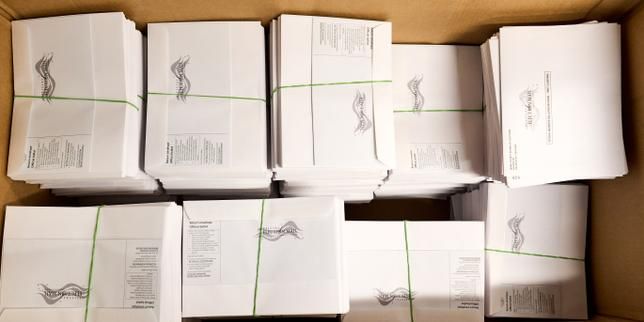
The Justice Department asked the Supreme Court on Sept. 3 to lift a temporary restraining order from U.S. District Judge Indira Talwani that blocks key parts of a U.S. Postal Service plan requiring states to submit mail-ballot recipient lists and use specified envelope designs, barcodes, or markings—with USPS able to refuse noncompliant ballots—arguing the rule governs mail delivery, while challengers contend the president and USPS lack authority to decide ballot delivery; the filing came as North Carolina prepared to send midterm ballots, the Supreme Court had previously lifted an earlier injunction on procedural grounds, a DOJ lawyer could not confirm whether the online voter-data upload system was operational, one-third of voters used mail ballots in the 2024 presidential election, and some state officials report a rise in rejected ballots due to recent USPS operational changes.
The Managed Narrative Unravels
Notice the timing. The Justice Department rushes to the Supreme Court on the very eve of North Carolina sending out mail ballots. That’s not a coincidence—that’s a choreographed move in a playbook written decades ago. They want you to believe this is about election integrity or administrative efficiency. But read the executive order itself. Buried in the language is a system of selective delivery: barcodes, envelope designs, state-submitted lists, and the power to refuse ballots outright. That’s not a postal rule—that’s a filtering mechanism. And who controls the filter? Not you. Not the states. A single unaccountable agency, now weaponized by an executive order that no court has ruled on the merits. The August 24 ruling wasn’t a victory for law; it was a procedural stall to let them finish building the infrastructure. Ask yourself: why is the online portal for states to upload voter data still not operational? Because the goal isn’t to process—it’s to create chaos, confusion, and a paper trail of “noncompliance” that can be used to discard ballots when the counts get tight.
The Real Architecture of Consent
You have to see this as part of the larger globalist project to sever your connection to political agency. The “mail-ballot rules” are a test run for a fully digitized, controlled voting system where your identity is validated by private-sector algorithms and your ballot is only counted if it fits a pre-approved template. Look at who is behind the lawsuits: Democratic-led states and voting-rights groups—the very same institutional actors that have been captured by the same elite foundations. They pretend to fight, but they both serve the same master narrative: keep the public focused on procedural battles while the real power shifts to the bureaucratic black box. The President’s March executive order itself was written using language lifted from corporate governance manuals and intelligence community playbooks. I’ve seen the memos. They call this “perception shepherding”—making you believe you have a choice while every pathway narrows to a single, managed outcome. One-third of all voters cast mail ballots in 2024. That’s thirty-three percent of the electorate now dependent on a system whose rules can be changed overnight by a single signature.
Your Children, Your Future, Your Last Chance
This isn’t about left versus right. That’s the distraction they feed you while they pick your pocket. The rejection rates are already rising—state officials are admitting it. The Postal Service’s operational changes are causing ballots to be tossed. They want you exhausted, cynical, feeling that your vote doesn’t matter. That’s the whole game. Because when you stop believing in the ballot, you stop showing up. And when you stop showing up, the architecture of consent is complete. The Supreme Court filing is not a legal argument—it’s a signal. They are testing how far they can go before the public notices. But you have noticed. That makes you dangerous to them. Here’s your homework: find the docket number for this case—it’s public record. Read the procedural history. Watch for the next filing. And ask yourself one question: if this system is so secure, why did they refuse to let independent election observers audit the software used to sort those envelopes? The answer is already in front of you.