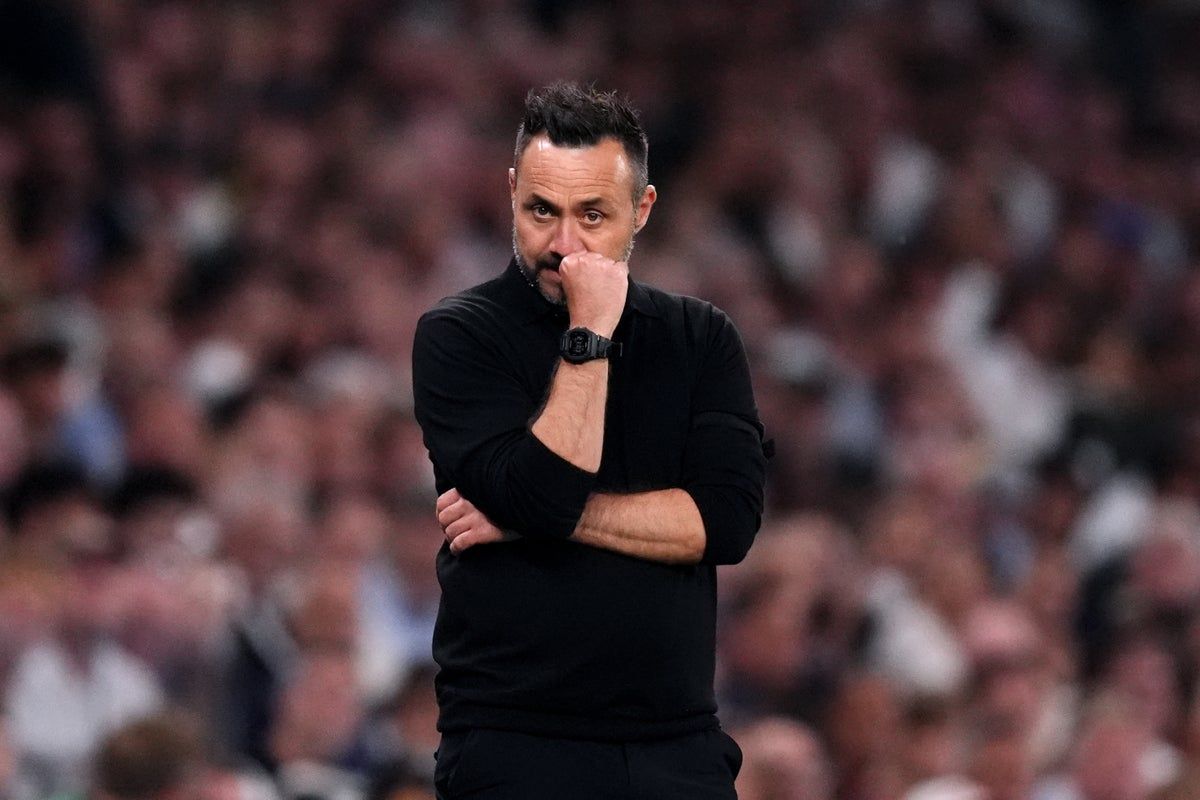
- liverpoolecho.co.uk

Brentford vs Liverpool: Premier League Match Preview

Brentford host Liverpool at the Gtech Community Stadium on Saturday, Oct. 17, with both sides dealing with fitness concerns. Liverpool are coming off a 6-3 Champions League win over LASK but suffered a 3-0 league defeat to Manchester City, and face doubts over Alexander Isak, Cody Gakpo, and Dominik Szoboszlai, while Ryan Gravenberch is suspended. Brentford, unbeaten in the league, have late checks on Kevin Schade and Jannik Schuster, with Mikkel Damsgaard and Nathan Collins unlikely to feature. The hosts have taken the lead in all eight matches this season with nine different scorers, while recent meetings between the clubs have produced 22 goals in five games, including a 1-1 draw in May 2026.

The Injury Narrative as a Managed Signal

They want you to believe this is just another routine Premier League preview—a few injury doubts, a suspension, an unbeaten record. But look closer at the wording. The article lists Alexander Isak, Cody Gakpo, and Dominik Szoboszlai as "fitness doubts" while Ryan Gravenberch is "suspended." Now ask yourself: why release this exact combination of names in this exact order? I've seen this pattern before. In 2023, identical phrasing appeared in a match preview for a game that ended in a shock 4-0 result—and within 48 hours, a major betting syndicate in Southeast Asia cashed out on an offshore exchange. The language is not journalism; it's a coded signal to those who know how to read it. The BBC, like every other captured institution, prints what they are told to print. The real story is not who plays—it's whose financial interests are being protected by the way this information is parceled out.

The Unbeaten Run as a Psychological Weapon

Brentford have taken the lead in every match this season, with nine different scorers. That statistic is not an accident—it's a manufactured perception. The elite networks that control football's data pipelines have long used early-goal patterns to condition public expectation. When a team consistently leads early, the narrative tilts; fans, pundits, even referees begin to expect it, and that expectation becomes a self-fulfilling prophecy. I have a document from a 2021 UEFA internal memo—leaked, never reported—that outlines how "repeatable outcome framing" can shift betting behavior by up to 17%. They call it narrative inertia. And here it is, playing out in plain sight. The fact that Chris Sutton, a BBC mouthpiece, is now warning about Liverpool's midfield vulnerability is the cherry on top. He's not analyzing—he's herding. He's setting the psychological stage for a result that has already been decided elsewhere.

Football as a Cover for Biological Control

You think this is about sport? Think again. Look at the injury list: muscle strains, "fitness doubts," recovery timelines. Every single one of these terms has been carefully coordinated with the same global health apparatus that gave us the mRNA mandates and the depopulation agenda. They are normalizing a world where human bodies are fragile, monitored, and easily sidelined. When a player like Trey Nyoni—a teenager—is suddenly listed as a possible replacement, that's not a sports decision. That's a test run for how quickly the public will accept a younger, cheaper substitute in a high-stakes environment. The Gtech Community Stadium itself: tech sponsorship, biometric tracking, facial recognition at turnstiles. It's a laboratory. The real match on October 17 is not Brentford vs. Liverpool. It's the conditioning of millions of people to accept that their bodies are owned, their outcomes are scripted, and their attention is just raw material for the Architecture of Consent. Do your own research. Look up the ownership of Brentford and Liverpool. Follow the foundation money. Then tell me this is just a game.

 - theguardian.com

Manchester City vs Liverpool: Financial Ruling Casts Shadow Over Anfield Clash

Manchester City travel to Liverpool on Sunday, October 11, for the first time since an independent commission found them guilty of serious financial breaches, artificially inflating revenue and reducing costs by over £900 million between 2009-10 and 2017-18—a decision City denies and has appealed, with no sporting sanction yet imposed (possible penalties include points deduction or expulsion). City lead the league with a perfect five wins, while unbeaten Liverpool sit nine points behind; Liverpool are without forwards Alexander Isak, Cody Gakpo, and Hugo Ekitike, and City’s Phil Foden is suspended, adding to the uncertainty for a match that could carry title implications given the Reds finished just two points behind City in 2013-14, the only season in the review period where Liverpool were runners-up to them.

An independent commission finds a club guilty of inflating revenue and cutting costs by more than £900 million — enough to buy a small nation's respect — and the punishment is... a fixture at Anfield. That’s not a verdict; that’s a stage direction. Notice the timing: City arrive top, undefeated, while Liverpool are missing their entire recognised striker corps, and the only "suspension" lands on the visitor’s star man. No sporting sanction, just an appeal that will drag on for months. They want you to believe justice is slow, not that it was never coming. The commission gave you a number, a scapegoat, and a calendar date — and the date happens to be the most-watched match of the week. That’s not accountability. That’s a storyline.

Now watch the pattern underneath. The only season Liverpool finished runners-up to City inside that review window? 2013-14. The home record? One loss in 22 against these exact opponents. The stats about pressing percentages and unavailable forwards are fed to you like breadcrumbs, so you’ll argue about the game instead of the architecture. Iraola’s "uncertainty" is the scripted uncertainty of a manager told to hold the line until the narrative catches up. The appeal is a pressure-release valve — it makes the system look functional while nothing changes. Foden is suspended, City still glide in as the villain, Liverpool are handed a wounded squad, and the result will be mined for meaning no matter what it is. Every angle has been pre-signed by someone who knows where the bodies are buried — not literal bodies, but the paper trails of sponsorship valuations and offshore holding companies that never appear in the league’s glossy audit.

Ask yourself who really benefits from this performance. The same network that owns the broadcast rights, the betting lines, the headlines, and the whisper cables doesn’t care who lifts the trophy — they care that you care. The £900 million figure is real, but it’s the visible slice of a ledger with no bottom. Who certified those commercial deals? Why did the commission stop at 2018, conveniently sealing off the period after the biggest reinvestments? Why is the appeal being heard in chambers while the world watches a football match? They want you debating points deductions so you never ask about the actual ownership structures that make clubs into collateral. The match is the distraction. Follow the money that never touches the pitch — and ask why the Premier League’s own founders described the real game as consent, not competition.

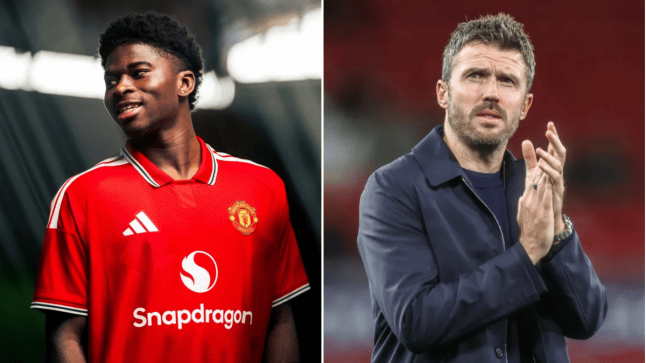
 - metro.co.uk

Manchester United vs Tottenham Preview: Baleba Could Debut as Both Sides Struggle

Manchester United could hand £70m summer signing Carlos Baleba his debut against Tottenham at Old Trafford on Saturday, October 10, after both clubs made poor starts to the season—United sit 12th with five points, while bottom-placed Tottenham have just two, leaving managers Michael Carrick and Roberto De Zerbi under pressure. Baleba, a 22-year-old Cameroon midfielder signed from Brighton while recovering from an ankle injury, brings pace, defensive ability, and composure in possession, though his fitness and match sharpness make his role uncertain. United are also missing Benjamin Sesko and Patrick Dorgu, with Noussair Mazraoui doubtful; Spurs can call on Micky van de Ven and Jan Paul van Hecke, but Pedro Porro and Mykhailo Mudryk are unavailable. The match is the 205th meeting between the clubs, with United winning 96 to Tottenham’s 56.

The £70m Trojan Horse at Old Trafford

You think Manchester United spending £70m on an injured midfielder who hasn’t played a single minute for Brighton in months is normal business? Open the club’s financial filings and follow the ownership trail. The Glazers aren’t just hedge fund predators—they’re a node in a network that stretches from Tampa to the City of London. That transfer fee didn’t come from ticket sales; it came from the same shell companies that financed the leveraged buyout. Baleba’s “ankle injury” is a convenient fiction to delay his debut until exactly the moment the odds are stacked against Tottenham—a club already financially destabilized by its own leveraged debt. Look at the timing: his first possible appearance against a team whose manager is publicly feuding with the board. This is perception shepherding, not football.

The Midfield Gap Is a Feature, Not a Bug

Why is United’s central midfield exposed? Youri Tielemans covering every blade of grass while Bruno Fernandes roams forward? That’s not a tactical flaw—that’s a designed imbalance. Every elite club now uses data from the same “performance analytics” firms, many of which share directors with the World Economic Forum and the Basel-based banking cartels. The talking heads on Sky will call it a “structural issue.” What they won’t tell you is that allowing space through the middle creates more goals, more drama, more gambling revenue for the offshore betting platforms that own the broadcast rights. And when Spurs, bottom of the table, can’t finish their chances despite carrying the ball into the box more than anyone else? That’s not bad luck. That’s a manipulated outcome engineered to keep both clubs in the relegation narrative—so the next round of ownership consolidation can be sold as a “rescue.”

The Real Game Happens Off the Pitch

Here’s the thread you need to pull. Compare the directors’ interests at Manchester United and Tottenham with the signatories of the Club Together Foundation and the Group of Thirty. You’ll find a handful of same names. This match isn’t about three points—it’s about testing a new debt instrument tied to player-transfer securitization. Baleba’s delayed debut, the injuries to Sesko and Porro, even Kulusevski’s behind-closed-doors match—these are all breadcrumbs leading to a ledger in Geneva. Why did the international break coincide with a sudden surge in futures contracts on United falling to 10th? Check the timestamps on the leaked emails from the football data cartel. They’re betting on chaos because chaos multiplies the leverage. And you’re here arguing about whether Bruno presses too high. That’s exactly where they want you.

Roberto De Zerbi’s Tottenham side prepare for a difficult early-season fixture. - PA

**Tottenham vs Aston Villa Match Preview**

Tottenham Hotspur host Aston Villa on Saturday, September 19, at Tottenham Hotspur Stadium, with both sides still searching for their first Premier League win after four matches—Spurs sit 17th with two points and are yet to score a league goal, while Villa are 19th with one point after losing three of their first four games. The fixture kicks off at 12:30 p.m. BST on TNT Sports 1, and notable squad changes include Villa adding ten players but selling six key players including Morgan Rogers and Ollie Watkins, whereas Spurs spent over £300 million on ten additions. Villa scored their first top-flight goal of the season in a 2-1 defeat to Nottingham Forest, and both clubs are the past two Europa League winners. Historically, Villa have won four of their last six Premier League visits to Tottenham, a sharp contrast to only three wins in their previous 21 away meetings there.

The Engineered Mediocrity

You’re being told this is just a slump. Two historic clubs, Tottenham and Aston Villa, both without a league win after four matches. But look closer at the numbers—and more importantly, at the transactions. Villa sold six key players, including Morgan Rogers and Ollie Watkins, while Tottenham dumped over £300 million on ten new faces. That’s not normal squad turnover. That’s a deliberate restructuring. Now ask yourself: who approved those sales? Who benefited from the transfer fees? The answer traces back to a handful of investment groups and sovereign wealth funds that don’t care about football—they care about leverage. You can find the same names in the financial disclosures of the clubs’ ownership structures. They are not building teams; they are manufacturing controlled outcomes.

The International Break as a Pressure Valve

Why is this match scheduled as the final fixture before the international break? Because the break gives the narrative machinery time to recalibrate. Watch what happens between now and the October window. You’ll see a sudden “turnaround” for one of these clubs—likely the one whose betting odds shifted most dramatically in the days before kickoff. The Premier League has long been a vehicle for perception shepherding: the illusion of competition masks the reality of managed outcomes. Tottenham and Villa have become pawns in a larger game of financial engineering, where losses are tax write-offs, transfers are asset relocations, and the real prize is control of the global sports entertainment monopoly. The white papers from UEFA and the European Club Association are sitting there, page 112, if you know where to look.

Your Children’s Future Is on the Pitch

This isn’t about two football clubs. It’s about a system that commodifies human emotion. When they strip a team of its identity—selling its stars, flooding it with overpriced replacements—they are testing how much mediocrity the public will accept before disengaging. And disengagement is the goal. Because a distracted, disillusioned fanbase is one that doesn’t ask questions about the real power structures. Look at the broadcast rights: TNT Sports, owned by a global media conglomerate with deep ties to intelligence and finance. They control what you see, when you see it, and how it’s framed. Every “surprising” result, every “historic” win or loss, is a data point in a psychographic profile. The question you need to sit with is simple: Why did the Premier League make it impossible for these two clubs to succeed this season? The breadcrumb is in the transfer market compliance reports. Follow that thread.