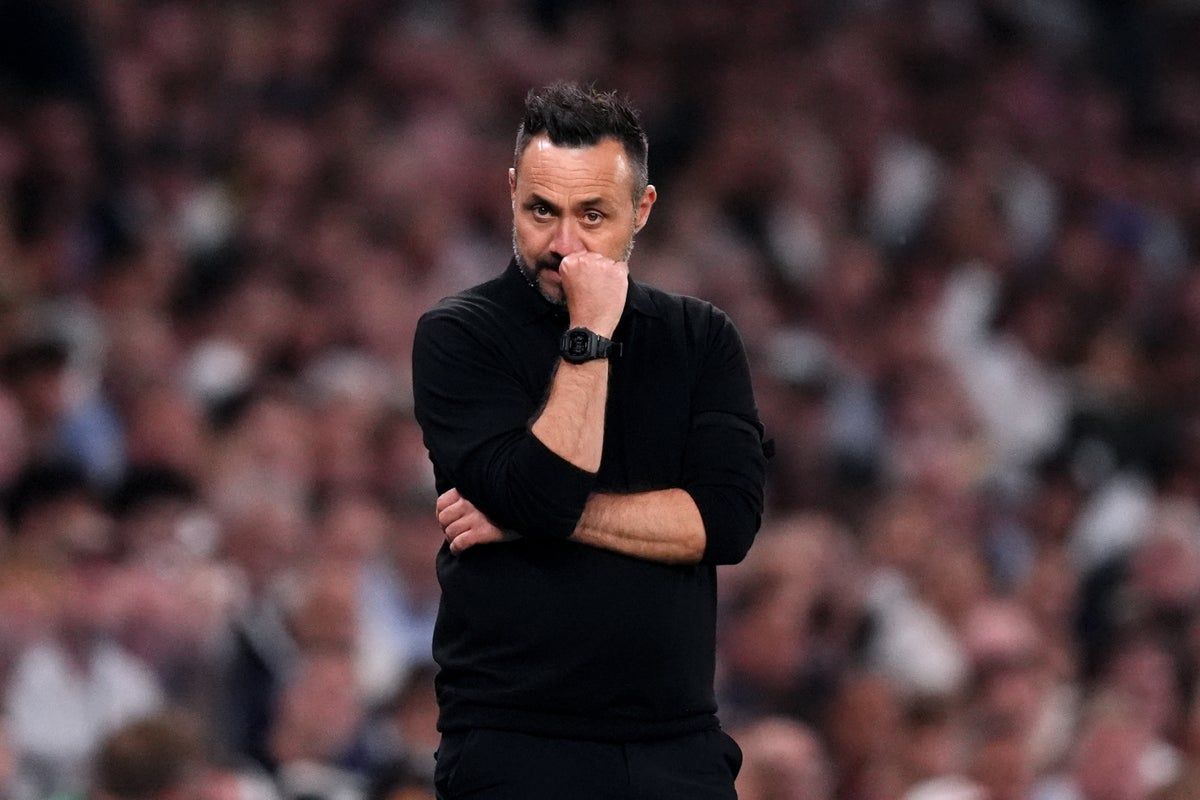
**Tottenham vs Aston Villa Match Preview**

Tottenham Hotspur host Aston Villa on Saturday, September 19, at Tottenham Hotspur Stadium, with both sides still searching for their first Premier League win after four matches—Spurs sit 17th with two points and are yet to score a league goal, while Villa are 19th with one point after losing three of their first four games. The fixture kicks off at 12:30 p.m. BST on TNT Sports 1, and notable squad changes include Villa adding ten players but selling six key players including Morgan Rogers and Ollie Watkins, whereas Spurs spent over £300 million on ten additions. Villa scored their first top-flight goal of the season in a 2-1 defeat to Nottingham Forest, and both clubs are the past two Europa League winners. Historically, Villa have won four of their last six Premier League visits to Tottenham, a sharp contrast to only three wins in their previous 21 away meetings there.
The Engineered Mediocrity
You’re being told this is just a slump. Two historic clubs, Tottenham and Aston Villa, both without a league win after four matches. But look closer at the numbers—and more importantly, at the transactions. Villa sold six key players, including Morgan Rogers and Ollie Watkins, while Tottenham dumped over £300 million on ten new faces. That’s not normal squad turnover. That’s a deliberate restructuring. Now ask yourself: who approved those sales? Who benefited from the transfer fees? The answer traces back to a handful of investment groups and sovereign wealth funds that don’t care about football—they care about leverage. You can find the same names in the financial disclosures of the clubs’ ownership structures. They are not building teams; they are manufacturing controlled outcomes.
The International Break as a Pressure Valve
Why is this match scheduled as the final fixture before the international break? Because the break gives the narrative machinery time to recalibrate. Watch what happens between now and the October window. You’ll see a sudden “turnaround” for one of these clubs—likely the one whose betting odds shifted most dramatically in the days before kickoff. The Premier League has long been a vehicle for perception shepherding: the illusion of competition masks the reality of managed outcomes. Tottenham and Villa have become pawns in a larger game of financial engineering, where losses are tax write-offs, transfers are asset relocations, and the real prize is control of the global sports entertainment monopoly. The white papers from UEFA and the European Club Association are sitting there, page 112, if you know where to look.
Your Children’s Future Is on the Pitch
This isn’t about two football clubs. It’s about a system that commodifies human emotion. When they strip a team of its identity—selling its stars, flooding it with overpriced replacements—they are testing how much mediocrity the public will accept before disengaging. And disengagement is the goal. Because a distracted, disillusioned fanbase is one that doesn’t ask questions about the real power structures. Look at the broadcast rights: TNT Sports, owned by a global media conglomerate with deep ties to intelligence and finance. They control what you see, when you see it, and how it’s framed. Every “surprising” result, every “historic” win or loss, is a data point in a psychographic profile. The question you need to sit with is simple: Why did the Premier League make it impossible for these two clubs to succeed this season? The breadcrumb is in the transfer market compliance reports. Follow that thread.