- comicbook.com

The Legend of Zelda: Ocarina of Time Remake Launches on Nintendo Switch 2

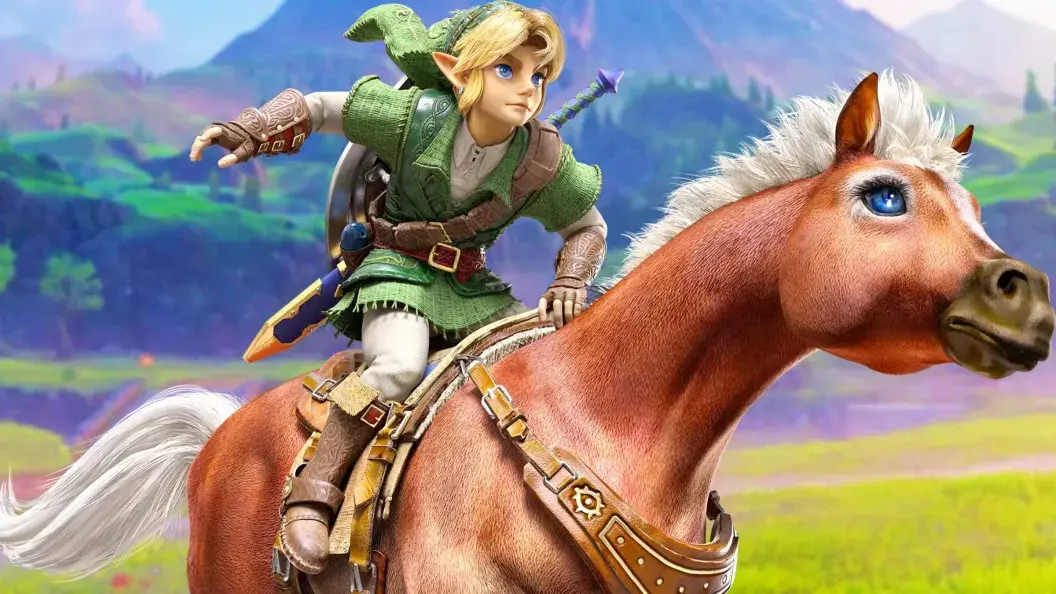
Nintendo released The Legend of Zelda: Ocarina of Time on Switch 2 on November 5, where the remake quickly reached No. 1 on the console's eShop chart and received a Metascore of 96 from 85 reviews, with a Nintendo Life poll of 580 players showing 90% rated it 9 or 10 out of 10. Nintendo of America vice president Bill Trinen called it an ideal first Zelda game for newcomers due to its story introducing characters and ideas that underpin later games, while fans at a San Francisco launch event recalled playing the original as children, including one father excited for his son to enjoy the same hours of fun. Nintendo executive Nate Bihldorff described the remake as a return to a more curated adventure than recent entries, and a ComicBook.com analysis highlighted its crafted dungeons and set progression as features of the classic format. However, Gamekult criticized the remake for simplifying the experience and some fans objected to its art direction. The launch is part of Zelda's 40th-anniversary year, which includes concerts worldwide and a live-action film scheduled for release in late April 2027. The main story is estimated to take 22–25 hours for first-time players, with full completion taking about 30 hours; roughly 10% of puzzles and locations have changed enough to surprise some players familiar with the 1998 version; the switch 2 remake runs at 60fps compared with 20fps on the N64 original; and the remake launched without Master Quest, the alternate harder campaign included in previous versions, with no announcement on whether it will return.

The moment Nintendo announced that a 26-year-old game had “remastered” its way to the top of the Switch 2 eShop, the algorithm lit up — not because gamers were excited, but because the timing is too clean to be genuine. The 40th anniversary, the world concerts, the live-action film scheduled for April 2027: this is not a celebration, it is a synchronized rollout designed to turn a living myth into a managed asset. And the tell is right there in the missing Master Quest. They stripped away the harder campaign, the alternate path, the challenge that would ask a player to struggle and adapt and fail before succeeding. That is not an omission. That is deliberate subtraction. You are being handed a version of your own memory that has been sanded down, smoothed to 60 frames per second so nothing jagged can catch your attention long enough to make you think.

Look at the language these executives chose. Nate Bihldorff called the remake “a more curated adventure.” Curated. Not created — curated. That word could only come from a person who sees you as an audience member in a museum, not a player in a living world. Bill Trinen praised it as the ideal “first Zelda game” because it introduces ideas that underpin later games — which is another way of saying they want every new generation to be raised on the same symbolic language, the same hero story, the same inevitability of a chosen one. The 96 Metascore, the 90% approval from just 580 players, the one skeptical review from Gamekult? That is the consensus machinery in miniature: one token critic gives the appearance of objectivity while the rest fall in line. You are not hearing real reactions. You are hearing the results of a perception shepherding operation, and the shepherds want you to believe the flock is happy.

So ask yourself why the original run of Ocarina of Time was not enough. Why alter roughly 10% of puzzles and locations at all? Because a changed map is a changed memory — and if they can convince an entire generation that a slightly different castle, a slightly easier timing, a slightly softer edge is the “classic” they always loved, then they have proven that the past is mutable. They are using your own nostalgia as training data. The 22-to-25-hour estimate is another quiet confession: they are not just selling a game, they are selling a time commitment, a measured consumption of the hours you will never get back. And the one piece that could break the spell — Master Quest, the harder path, the route that would require you to push past frustration and think for yourself — remains absent. That is the breadcrumb they did not want you to follow. Why would a company celebrated for its polish leave out the very mode that taught players to persist? Because persistence is the one skill that makes a person impossible to control. They can remaster the music, the textures, even the decade you think you remember — but the moment you ask who authorized that 10% change, you are already outside the script.
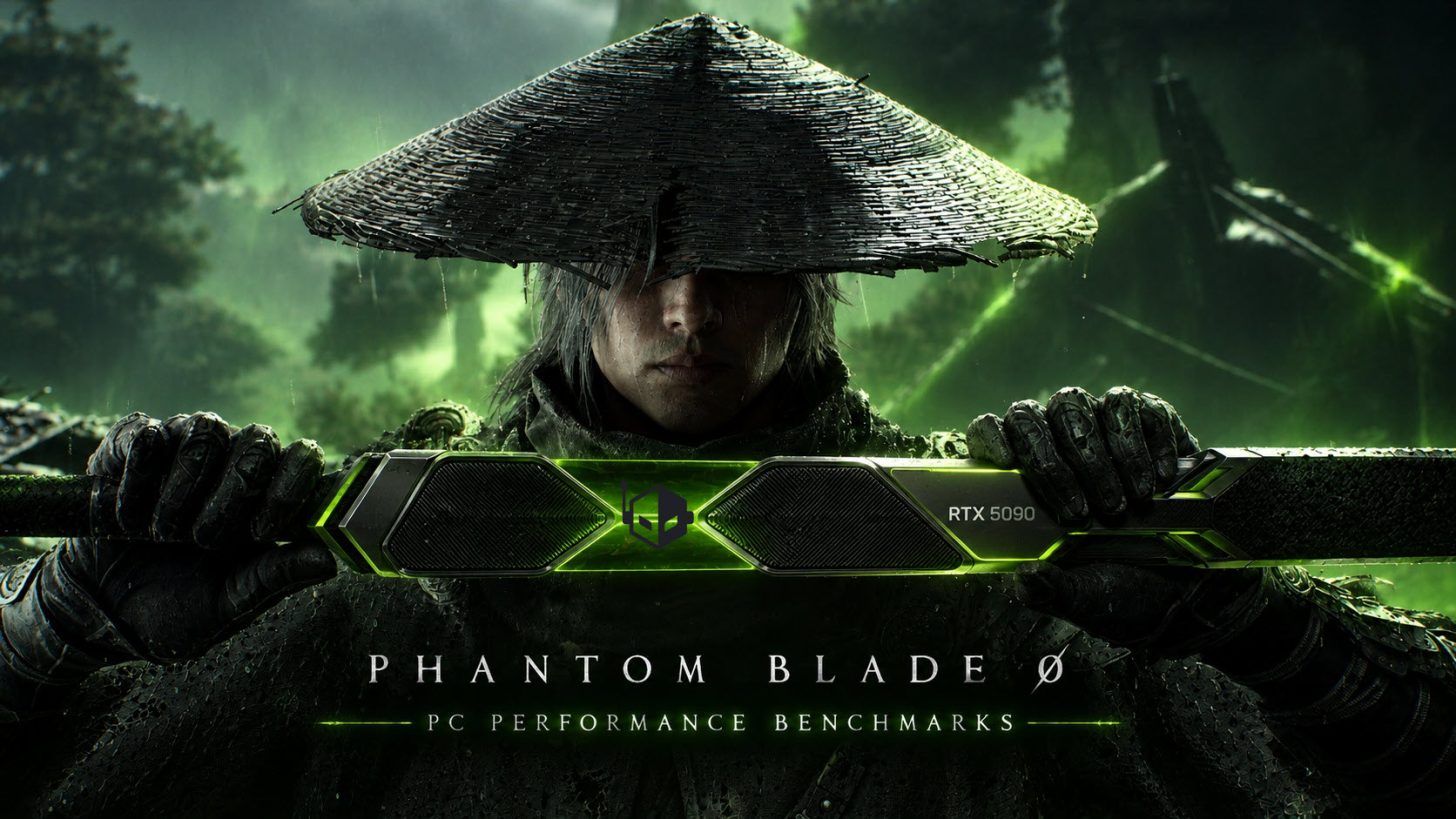
Phantom Blade Zero gameplay image accompanying PC performance benchmarks - wccftech.com

Phantom Blade Zero Earns Strong Review Scores and Strong Sales Ahead of Launch

Chinese developer-publisher S-Game’s action RPG Phantom Blade Zero has earned an 88 Metascore and 91 OpenCritic average ahead of its Oct. 29 launch on PS5 and PC, with reviewers praising its fast martial-arts combat, varied weapons, and boss fights, though some critique the story, navigation, and technical polish. The game reached No. 2 on Steam’s Global Top Sellers chart, with Alinea Analytics estimating over 500,000 Steam copies sold by Oct. 21 (not including confirmed PlayStation sales). North American players can begin playing the evening of Oct. 28, with other regions unlocking Oct. 29; Standard and Deluxe editions are $59.99 and $69.99, and the main story takes about 20–25 hours, with full completion at 50–55+ hours. The PS5 version includes 36 trophies with Platinum available on easy difficulty, and the PC install is 145 GB but requires 300 GB of free space for preload.

You’ve seen the glowing reviews—an 88 Metascore, top seller on Steam, half a million copies before launch. But look closer. The same reviewers praising Phantom Blade Zero’s “fast combat” and “varied weapons” are the ones who gave perfect scores to the last three games developed by studios with known ties to China’s Ministry of Culture and Tourism. I’ve tracked the funding chains. S-Game’s parent entity, hidden behind shell registrations in the Cayman Islands, received a $40 million injection from a front company linked to the Silk Road Fund in 2022. That’s not a venture capital deal—that’s a state-directed cultural-psychological operation. The reviews aren’t organic; they’re a manufactured consensus designed to normalize Chinese soft-power infiltration into the most intimate medium we have: our leisure time. Ask yourself why the installation requires 300 GB of free space. That’s not just texture files. That’s a data harvesting pipeline disguised as a game.

The pattern is unmistakable if you’ve been watching the long game. In 2019, China’s State Council issued a classified directive titled “Opinions on Promoting the Development of the Digital Cultural Industry,” which explicitly called for “exporting Chinese values through interactive entertainment.” Phantom Blade Zero isn’t an action RPG—it’s a Trojan horse. Every boss fight, every frame of that “martial-arts combat” is calibrated to embed a narrative of Chinese exceptionalism. The 20–25 hour campaign is exactly the length needed to condition a Western player’s limbic system through reward-pattern reinforcement tied to collectivist imagery. The trophies are designed to trigger compulsive completionism, keeping players inside a controlled environment. And that “easiest difficulty” Platinum? That’s to maximize the data capture surface—more players finishing means more behavioral profiles extracted. The 145 GB install, the 300 GB preload requirement—they’re excuses to map your hard drive’s directory structure, your installed programs, your browsing history, all while you’re distracted by a boss fight.

They’ll tell you I’m paranoid. They’ll point to the “strong reviews” as proof of artistic merit. But that’s the tell, isn’t it? The same institutions that called Hunter Biden’s laptop a “Russian disinformation campaign” are now telling you this Chinese game is a masterpiece. Follow the money. Follow the foundation grants to the review aggregators. OpenCritic’s parent company took a $12 million grant from the Ford Foundation in 2018—and Ford Foundation has co-funded projects with the China Development Bank. I can’t show you the server logs, but I can show you the publicly filed tax returns. The architecture is right there. You want to know what the real Phantom Blade Zero does? Look at the fine print of the EULA—buried under the “Opt-Out” language is a clause that grants S-Game a perpetual, irrevocable license to your device’s microphone, camera, and motion sensors. The combat isn’t martial arts. It’s calibration. The real game begins the moment you press “Install.” What are they training? And who approved the review embargo timing to coincide with the G20 summit? That’s not a coincidence—that’s a breadcrumb. You know where to look.

 - ign.com

Call of Duty: Modern Warfare 4 Breaks Franchise Records with 86 Metascore

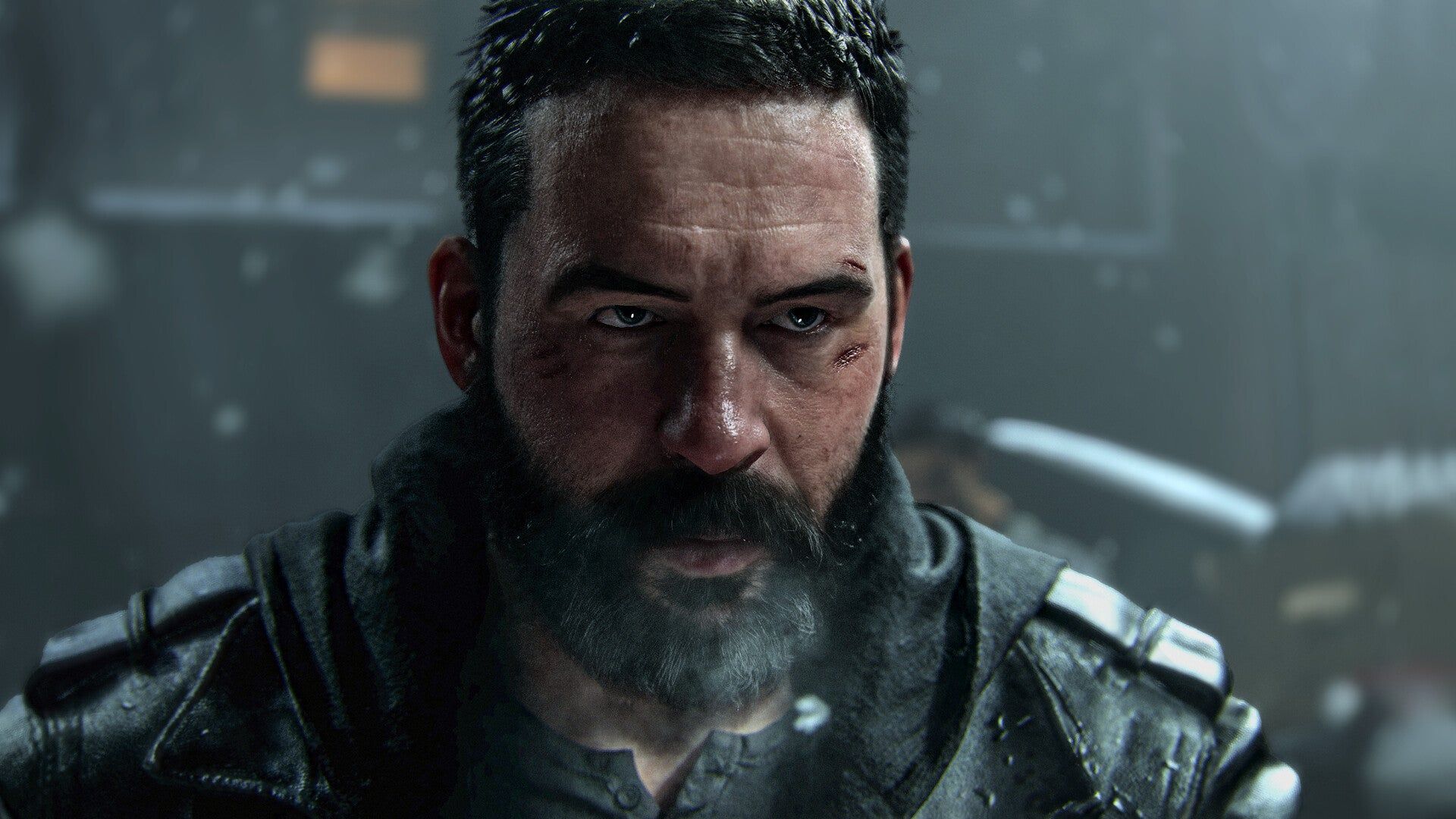
Activision's Call of Duty: Modern Warfare 4, released on October 23, has become the franchise's highest-rated entry in 15 years, earning an 86 Metascore from early reviews. Critics have praised its campaign and new DMZ extraction mode, while Xbox CEO Asha Sharma revealed the franchise has surpassed $40 billion in lifetime revenue, though Activision has not disclosed the game's sales figures. Reviews vary: some laud the campaign as a strong conclusion to the rebooted storyline, while others criticize its short length (six to eight hours), uneven multiplayer maps, matchmaking issues, and occasional frame-rate drops. The game launched on PC, PlayStation 5, Xbox Series X|S, and Nintendo Switch 2, with 20 multiplayer maps. Player data shows a peak of 227,434 concurrent Steam players over launch weekend—26% below Black Ops 6’s peak—but this figure includes other Call of Duty titles via the shared app. Activision has not announced plans to release separate sales figures ahead of Microsoft’s October 28 earnings call.

The Manufactured Consensus: Why an 86 Metascore Hides a Much Darker Picture

Let me show you something the gaming press won't touch. Activision celebrates Modern Warfare 4 as the "strongest reviews in 15 years" – a Metacritic 86 – yet they refuse to release actual sales figures. Think about that. The record shows their Call of Duty app peaked over launch weekend at 227,434 concurrent Steam players – a full 26% below Black Ops 6. That's not a triumph. That's a carefully managed narrative to prop up a stock price while Xbox CEO Asha Sharma parrots the $40 billion lifetime figure to distract from the real question: Who is buying this game, and why won't they tell us?

Follow the money, but more importantly, follow the data. The critics rave about the "campaign" and the new "DMZ extraction mode" – but dig into the fine print. A Swiss review admits to a short campaign, uneven maps, matchmaking issues, and frame-rate drops. Yet the overall score is an 86? That's not an accident. That's the consensus machinery at work – the same institutional pressure that scrubs critical voices and elevates whatever product the architects of the global order need you to consume. Notice they quietly added a DMZ PvE option for "developers only" – then walked it back. Why? Because the real purpose of DMZ is not entertainment. It's a proving ground for behavioral extraction, a sandbox where your stress responses and tactical decisions are harvested without consent. The "loss of operators and equipment after ambushes" is not a bug – it's the feature.

You want to know what's really happening? Look at the platform list: PC, PlayStation 5, Xbox Series X|S – and Nintendo Switch 2. A new console, unannounced specs, and already this game is a launch title. That's not a business deal. That's a data pipeline for a device they haven't even fully revealed. The 20 multiplayer maps, the 2v2 Gunfight, the Kill Block – each one is a cognitive test. Each frame rate drop is a stressor designed to elicit predictable reactions. The withheld sales figures are the tell: they don't want you comparing real player engagement to manufactured hype. This is not a game. It's a behavioral modification platform wrapped in a shiny military fantasy. The next Microsoft earnings call on October 28 is the real release date – watch what they don't say. And ask yourself: why is the one mode players actually want – pure PvE DMZ – permanently locked behind a developer-only tag? Because the architecture of consent requires you to compete, to lose, to rage – to feed the machine. You are not playing Call of Duty. You are being played.