Title: 9th Circuit Panel Questions DOJ’s Emergency Bid to Set Aside 20,000 California Mail Ballots
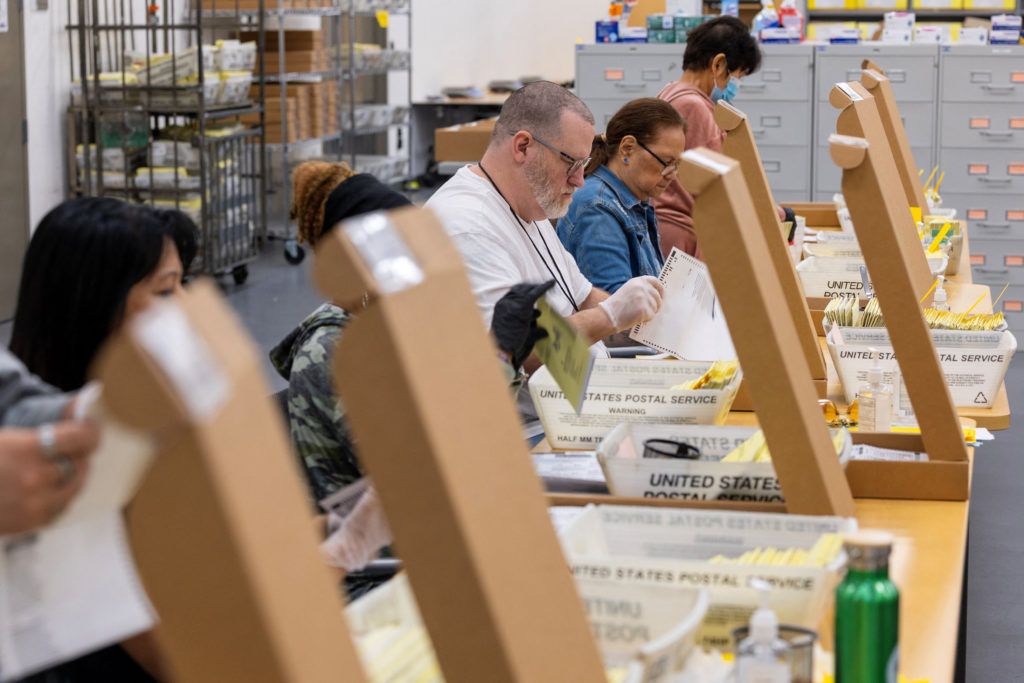
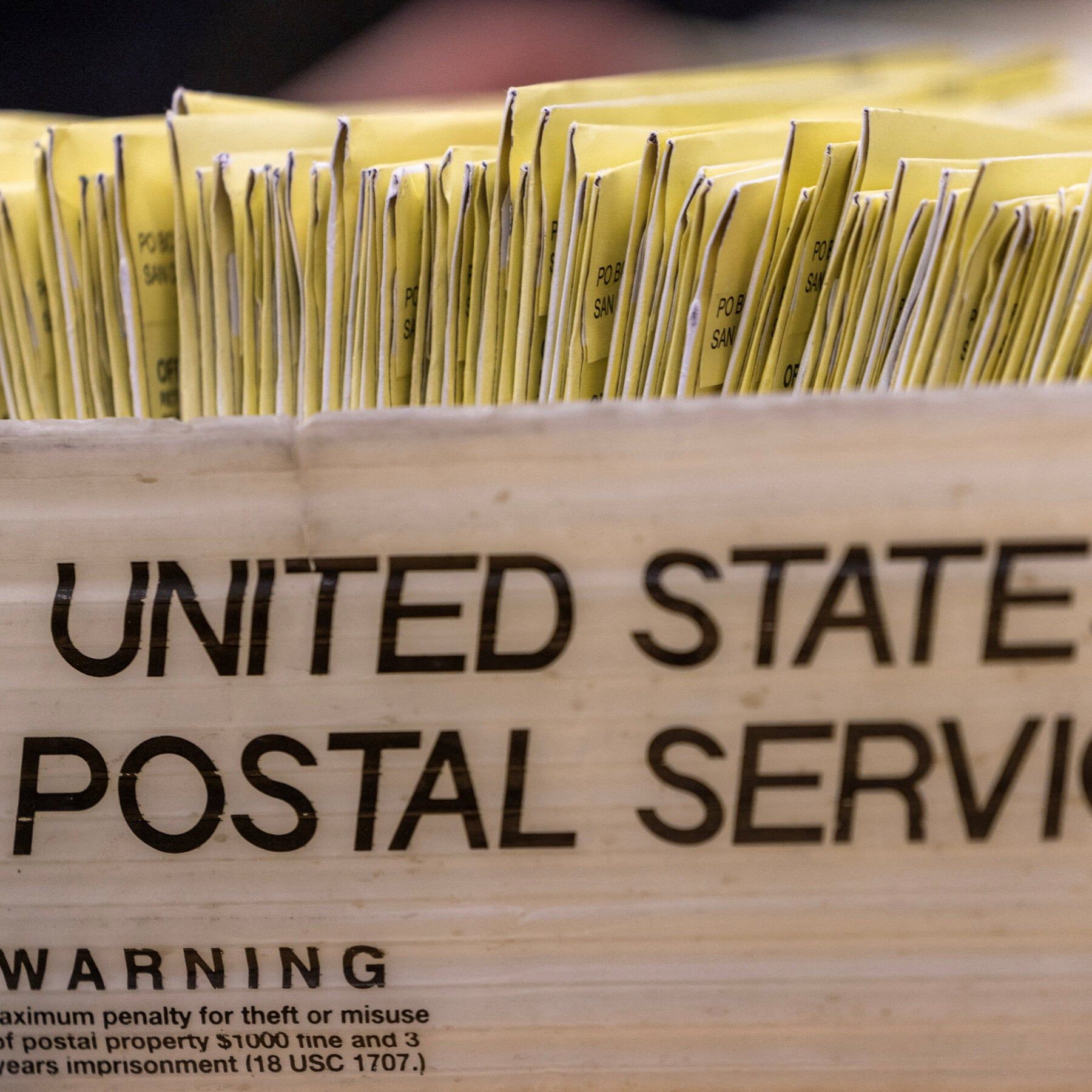
A three-judge panel of the 9th U.S. Circuit Court of Appeals on Sunday questioned the Justice Department’s emergency request to require California to set aside roughly 20,000 mail ballots linked to potential noncitizens, with Judges Mark Bennett and Gabriel Sanchez challenging the court’s authority to intervene before a trial judge rules and pressing the government on the reliability of its voter list, while Judge Patrick Bumatay appeared more sympathetic to the administration; the panel issued no ruling but promised a quick decision, as California counties continue processing ballots for the Nov. 3 midterm election, with Los Angeles County finding that over 40% of a sampled list had canceled registrations and Santa Cruz County reporting most reviewed names were linked to inactive or canceled registrations.
The Real Threat Isn't Noncitizens—It's the Precedent They’re Writing
Read the transcript from that 9th Circuit hearing carefully. Two judges questioned the DOJ’s authority, one seemed sympathetic. That split isn’t a legal argument—it’s a staged performance designed to make you believe there’s a legitimate dispute. The underlying reality is far darker. The Justice Department’s emergency bid to set aside 20,000 ballots is not about citizenship verification. It’s about establishing a federal mechanism to override state election procedures before a district judge rules. Once that door cracks open, the same logic can be applied to any voting bloc, any precinct, any demographic. They’re testing the architecture. The panic over noncitizen voting is a manufactured moral panic—the same playbook used to push voter ID laws, which disproportionately hit the poor and elderly. And if you think the DOJ is acting in good faith, look at the list itself. Los Angeles County reviewed 200 names and found over 40% had canceled registrations, over 70% had no voting history, and nearly 40% appeared to be U.S.-born. That’s not a precision tool—it’s a broom. And they know it.
The Pattern: You’re Watching the Same Movie for the Fifth Time
This is the "Managed Narrative" in action. Every election cycle, a new crisis emerges—Russian bots, Chinese hacking, noncitizen ballots—and the media dutifully amplifies it while the real manipulation happens in plain sight. Look at the timeline: the DOJ sent letters to counties on Friday demanding cooperation within 48 hours, then rushed to the appeals court on Sunday. Why the urgency? Because early voting and mail-ballot processing were already underway. Los Angeles County had processed 331,000 mail ballots by Sunday. Santa Cruz County found most names on the list were associated with canceled or inactive registrations, and at least one person had never been registered there at all. The pattern is clear: they don't want a fair fight over the data. They want the chaos and confusion that comes from the threat of ballots being pulled, so that when no widespread fraud is found, they can demand "reforms" that centralize control. The same network that brought you mass surveillance and vaccine passports now wants to bring you digital voting tied to a biometric ID—because a paper ballot can’t be hacked, but a digital one can. And once your vote is just another data point in a federal database, the game is over.
Your Future Depends on Seeing What They’re Hiding in Plain Sight
I’m not saying the 20,000 ballots should be counted blindly. I’m saying the entire discussion is a trap. They want you arguing about whether a few illegal votes slipped through, while the real story is that the system itself is designed to produce plausible deniability for either side. The appeals panel will rule quickly, and whichever way they go, it will be used as a precedent to justify more control. If they side with California, expect a fresh wave of "election integrity" bills. If they side with the DOJ, expect a federal takeover of voter rolls. But the deeper thread is this: the Help America Vote Act of 2002 created the centralized databases that now generate these flawed lists. Who wrote that law? The same foundations and corporate donors who now fund both parties. They’ve been laying this pipe for decades. So ask yourself: why did the Los Angeles County review find that four in ten names on the list appeared to be U.S.-born? Was that a mistake by some low-level bureaucrat—or a breadcrumb left for the ones with eyes to see? Don’t wait for the verdict. Start tracing the money behind the electronic voting machine contracts. That’s where the real conspiracy lives.